May 15, 2026
Why Safety Training Loses Impact Over Time
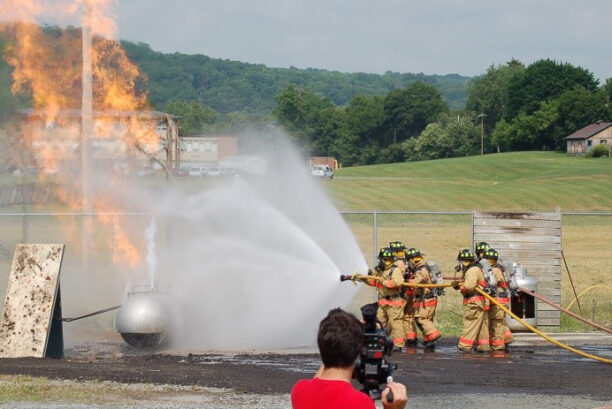
Safety training is a constant in propane operations, but its effectiveness is not. What begins as focused, high-attention instruction often degrades into routine repetition that crews tune out. For operators, this shift carries real consequences. Compliance may still be documented, but field execution can drift. Missed steps, incomplete inspections, and inconsistent procedures increase exposure to incidents, insurance claims, and regulatory scrutiny. The issue is not a lack of training; it is the gradual loss of engagement. When safety becomes predictable, it becomes easier to ignore. Maintaining effectiveness in this arena requires deliberate changes in how training is delivered, reinforced, and verified in the field.
Repetition Creates Familiarity, Not Retention
Most safety programs rely on recurring training cycles, annual refreshers, seasonal briefings, and standardized modules. While repetition supports compliance, it does not guarantee retention. Over time, experienced drivers and technicians begin to anticipate the content. Attention drops, participation becomes passive, and critical steps are overlooked.
This is where operational risk begins to build. Employees who feel they “already know it” are more likely to rely on memory rather than procedure. In propane operations, that often shows up as incomplete leak checks, rushed documentation, or inconsistent tank inspections. The gap between what is taught and what is executed rarely appears in training records. Rather, it shows up in near-misses, small service errors, and inconsistencies that compound over time. Repetition reinforces habit, but not awareness.
Field Conditions Override Classroom Training
Safety training is typically delivered in controlled environments. The field is not. Weather, terrain, customer interaction, and time pressure all influence how procedures are actually carried out. When training does not reflect those conditions, employees adapt. Shortcuts develop because they feel practical in real situations. Over time, those shortcuts become normalized, especially when passed between experienced team members.
Dispatch pressure intensifies this effect. Tight routing schedules and last-minute service calls can shift focus toward speed rather than process. Even well-trained employees adjust their behavior when operational demands conflict with training expectations.
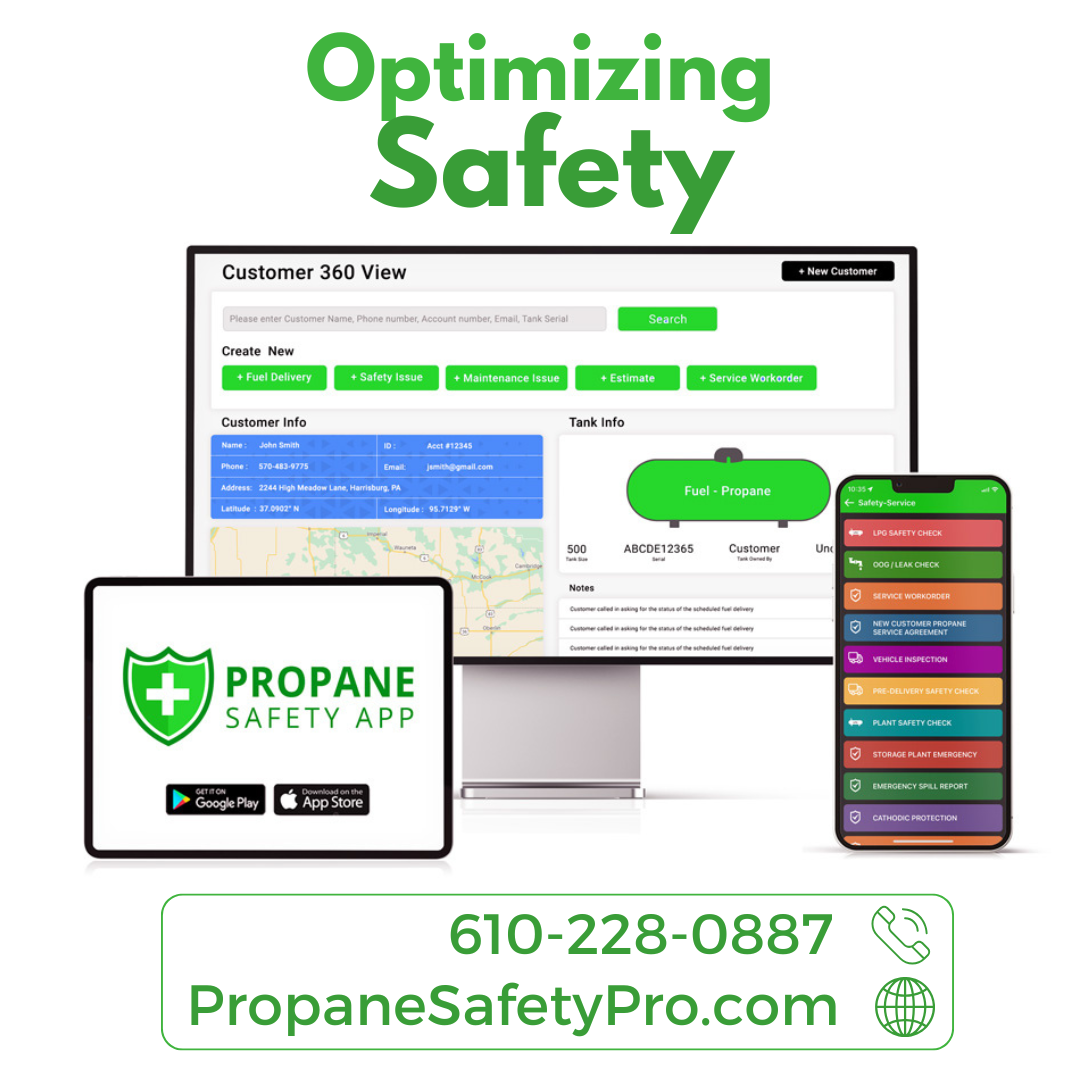
Digital tools like the Propane Safety Pro app help bridge this gap by bringing critical procedures directly into the field. When inspections, checklists, and required steps are built into the workflow, employees are less likely to rely on memory or skip critical actions under pressure.
Compliance Metrics Can Mask Performance Gaps
Most propane companies track training completion, certifications, and documentation. These are necessary for regulatory and insurance purposes, but they do not measure real-world effectiveness. A fully compliant training file does not guarantee consistent field execution. Employees can complete required modules without fully engaging, and supervisors may assume coverage is sufficient because documentation is complete.
This creates a blind spot. Incidents are often attributed to individual error when they reflect a breakdown between training and execution. Without field verification, ride-alongs, audits, or digital tracking, companies operate without clear visibility into actual performance.
Platforms such as Propane Safety Pro allow managers to see completed inspections, timestamps, photos, and reports in real time. This shifts safety from a documentation exercise to an operational control system.
Engagement Declines Without Variety and Accountability
Training that follows the same format year after year becomes predictable. Predictability reduces attention. Without variation, even important content is ignored. At the same time, accountability often weakens. If training is treated as a requirement rather than a performance standard, employees focus on completion instead of application. Supervisors may not consistently reinforce expectations during busy periods.
Engagement improves when training connects directly to real day to day operations. Reviewing recent near-misses, discussing actual service challenges, and requiring field validation creates relevance. When employees see a direct impact on their daily work, participation increases.
Technology can reinforce this accountability. When field actions are tracked and visible, expectations become measurable. Employees are more likely to follow procedures when they know execution, not just attendance, is being monitored.
What Operators Should Do Now
Maintaining the effectiveness of safety training requires shifting from repetition to field-driven engagement:
• Use real scenarios instead of generic modules
Build training around recent incidents, near-misses, and common service challenges. This forces active thinking rather than passive review.
• Verify execution in the field, not just in records
Conduct ride-alongs, employ spot checks, and use digital tools to confirm that key procedures are followed during actual service work.
• Integrate safety into daily workflow
Use systems like the Propane Safety Pro app to embed checklists, inspections, and reporting directly into field operations, thereby reducing reliance on memory.
• Tie safety performance to accountability
Set clear expectations for field execution and follow up consistently. Make safety performance part of evaluations, not just part of training.
Sustained Safety Requires Active Reinforcement
Safety training does not fail because of weak content. It loses effectiveness when it becomes routine, disconnected from field conditions, and measured only by completion. Propane operations depend on consistent execution, not periodic instruction. Companies that reinforce training through real-world application, visibility, and accountability maintain stronger safety performance and reduce long-term risk. Those who rely on repetition alone often discover gaps after an incident. Keeping your company’s training effective and relevant requires continuous adaptation and a direct connection between instruction and daily operations.