May 12, 2026
Why Immediate Response Matters in Propane Accident Investigations
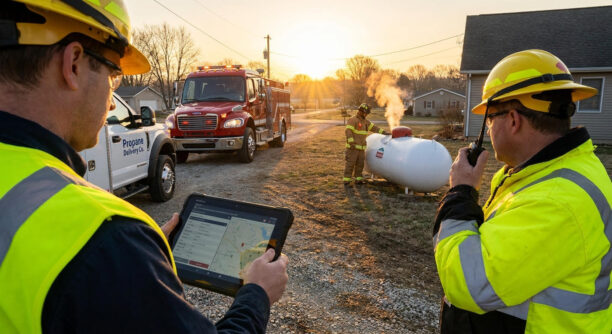
Rapid engagement of insurers, attorneys, and safety experts can cut liability and preserve evidence.
When a propane incident erupts, every second counts. The NFPA 54 (National Fuel Gas Code) and NFPA 58 (Liquefied Petroleum Gas Code) both stress that prompt notification of key stakeholders – insurers, legal counsel, and safety professionals – helps preserve critical evidence and limits exposure to costly litigation. In the weeks since a multi‑unit explosion in Texas, investigators found that delayed reporting allowed volatile conditions to deteriorate, making root‑cause analysis far more complex and increasing the risk of secondary incidents.
Recent case studies illustrate how swift action can turn a potential disaster into a manageable event. In one recent fire at a rural refueling station, the operator’s immediate call to a certified safety consultant enabled real‑time monitoring of gas concentrations, allowing crews to ventilate the area before the fire spread. The same operator later leveraged the user-friendly PropaneSafetyPro app to document the incident, ensuring compliance with both NFPA standards and insurance requirements.
Best‑practice guidelines now recommend that propane businesses establish a “first‑hour protocol” that includes: (1) securing the scene, (2) notifying the insurer and legal team, (3) initiating a safety‑expert investigation, and (4) preserving all documentation for regulatory review. By embedding these steps into daily operations – through checklists, mobile apps, and regular training – companies can do much to reduce downtime, protect their brand, and most importantly, safeguard lives.
Recommendations for Retailers
• Implement a formal “first‑hour response” checklist and train all field staff on its use.
• Designate a single point of contact for insurers and legal counsel to streamline communication after an incident.
• Partner with a qualified safety consultant or use resources like PropaneSafetyPro to ensure that all investigations meet NFPA 54/58 standards.
• Document every step of the response in a digital log to simplify claims processing and regulatory reporting.