
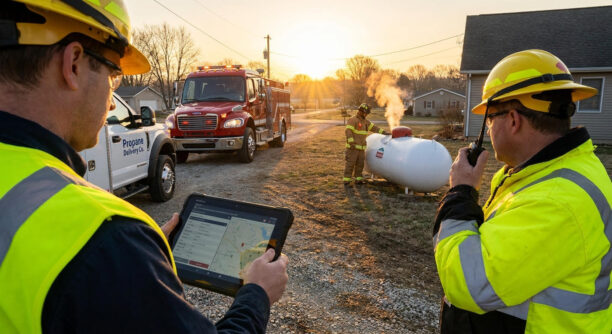
Why Immediate Response Matters in Propane Accident Investigations


Rapid engagement of insurers, attorneys, and safety experts can cut liability and preserve evidence. When a propane incident erupts, every second counts. The NFPA 54 (National Fuel Gas Code) and NFPA 58 (Liquefied Petroleum Gas Code) both stress that prompt notification of key stakeholders – insurers, legal counsel, and safety professionals – helps preserve critical evidence and… Continue reading Why Immediate Response Matters in Propane Accident Investigations
Emergency Calls Require One Voice; Fixing Message Drift


When a propane customer smells gas and calls your office, the conversation that follows becomes part of your safety record. Inconsistent instructions from CSRs, dispatchers, or after-hours answering services can create operational confusion, regulatory exposure, and significant liability. Most propane companies invest heavily in driver training and field compliance. Far fewer scrutinize what their front… Continue reading Emergency Calls Require One Voice; Fixing Message Drift

Carbon Monoxide Exposure and Outdated Customer Instructions


Carbon monoxide incidents tied to propane systems remain one of the most preventable sources of serious injury, property damage, and liability in this industry. Yet many customer-facing warnings, leave-behinds, and service scripts have not meaningfully changed in years. That messaging gap creates risk. When an incident occurs, investigators and insurers do not ask whether the… Continue reading Carbon Monoxide Exposure and Outdated Customer Instructions