April 28, 2026
Why a Structured Testing Program Is Essential for Safety and Asset Longevity
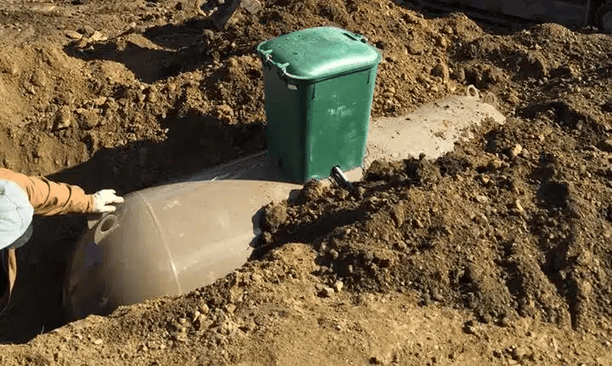
Underground propane storage tanks protect inventory from the elements and vandalism, but they also hide a silent threat: external corrosion. As the nation’s fleet of buried tanks ages, the likelihood of metal degradation increases, creating pathways for leaks that can jeopardize public safety and erode the profit margins of their corporate owners. A proactive, structured testing program is the most reliable defense against this hidden danger. By regularly sampling tank contents, measuring water accumulation, and inspecting external surfaces, retailers can identify corrosion early on – well before it compromises structural integrity.
External corrosion begins when soil chemistry, moisture, and stray electrical currents interact with the tank’s steel shell. Factors such as high chloride levels, acidic soils, or inadequate coating can accelerate metal loss. A disciplined testing regimen tackles the problem from three angles. First, periodic water‑in‑tank testing reveals condensation that often signals a breach in the protective coating. Second, external corrosion probes – often a simple steel rod inserted into the soil adjacent to the tank – measure the rate of metal loss in situ. Third, visual inspections of the tank’s exterior, including any exposed seams or fittings, catch coating failures before they become full‑scale pits.
Frequency should be calibrated to tank age, material, and local soil conditions. Newer tanks with factory‑applied epoxy may be inspected every five years, while legacy tanks in aggressive soils merit annual checks. It is important to maintain detailed records for each test, enabling trend analysis that can forecast future risk and guide capital planning. When corrosion is caught in its infancy, remediation can be as simple as applying a targeted coating or installing a cathodic protection system, rather than undertaking a costly full‑tank replacement.
Technology is a force multiplier for compliance and efficiency. Digital platforms like Tankspotter allow field crews to log inspection results in real time, attach photos of exterior conditions, and generate reports that satisfy regulatory requirements. Integrated GPS routing reduces travel time, while automated scheduling helps to ensure that no tank falls through the cracks. The resulting data stream not only supports safety audits but also supplies the analytics needed for predictive maintenance programs.
Regulators are also tightening oversight. Many states now require documented corrosion monitoring as part of annual tank certifications. Failure to comply with this can trigger fines, forced shutdowns, or increased insurance premiums. By embedding a structured testing program into daily operations, companies turn a compliance obligation into a strategic advantage – thereby demonstrating to customers, insurers, and investors alike that safety is baked into the business model.
Bottom‑line benefits are compelling. Early‑stage corrosion repairs typically cost a fraction of the cost for a full tank replacement – often under 10 % of the total asset value. Moreover, preventing a leak avoids the costly environmental remediation and potential liability that can run into millions. Companies that adopt a data‑driven testing schedule also report smoother audit cycles and lower administrative overhead, thus freeing staff to focus on growth initiatives rather than firefighting.
In practice, a successful program starts with a baseline assessment: map all underground tanks, record their construction dates, coating types, and soil conditions. From there, develop a testing calendar that aligns with the risk profile of each asset. Equip crews with corrosion probes, water‑test kits, and a mobile device running the Tankspotter app. Finally, review the data quarterly, adjust frequencies as trends emerge, and allocate capital for remediation before problems become emergencies.
Proactive corrosion management protects a business’s bottom line, safeguards the community, and future‑proofs the propane infrastructure that powers homes and businesses across the country. A structured testing program isn’t just a regulatory checkbox; it’s a strategic investment in longevity, profitability, and peace of mind.