April 21, 2026
Tragedy in Pennsylvania: Internal Propane Leak Eyed in Fatal Home Blast
Seven lives were lost in a Pennsylvania home explosion, with police pointing to a potential internal propane leak. This highlights the urgent need for robust safety protocols beyond the tank, focusing on appliance and piping integrity.
A devastating explosion and fire at a central Pennsylvania home tragically claimed the lives of a mother and six children. Initial police investigations suggest an internal propane leak as the likely cause, while exterior tanks remained intact. This incident underscores the critical importance of meticulous internal system integrity and homeowner awareness for propane safety.
Pennsylvania Authorities Investigate Cause
Police confirmed a mother and her six children died in a house explosion and fire in Clinton County, Pennsylvania. While the investigation is ongoing, authorities quickly stated an internal propane leak is the suspected cause. Significantly, exterior propane tanks were found intact, ruling them out as the source of the blast. This distinction is crucial, shifting focus from external storage to internal distribution systems.
Internal Leaks and Ventilation Risks
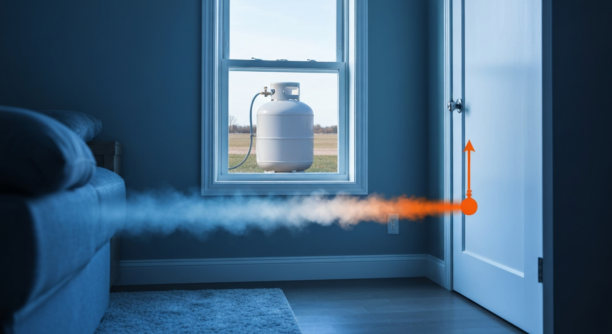
Incidents like this, while rare, highlight the dangers of gas accumulation from internal leaks. These often stem from faulty appliances, damaged lines, or improper ventilation. Propane, being heavier than air, can settle in low-lying areas, creating an explosive atmosphere if not detected and ventilated. This recent tragedy reinforces the need for both professional vigilance during installations and routine checks, and homeowner education on leak detection and immediate response procedures. Preventing such catastrophes relies on ‘essential and legally required safety procedures’ and proper equipment requalification, as noted by legal experts in similar contexts. NFPA 58 provides safeguarding requirements for LP-Gas installations.
Business Impact
For propane delivery companies, this devastating event reinforces the paramount importance of thorough system checks during installations and service calls. Ensuring internal piping, appliances, and regulators are free from leaks and properly maintained isn’t just best practice—it’s life-saving. Companies must redouble efforts in technician training on leak detection and remediation, and in educating customers about the signs of a leak and emergency protocols. Investing in digital inspection tools, like those offered by tankspotter.com, can provide a verifiable ‘Digital Chain of Custody’ for every installation and service, protecting both lives and the business from potential liability and ‘ghost payroll’ associated with manual paperwork. The cost of a lost reputation or legal action far outweighs proactive safety investments.
Action Steps
• Review and update all safety protocols for internal system installations and maintenance.
• Enhance customer education materials on propane leak detection and emergency response.
• Invest in advanced leak detection equipment for service technicians.
• Ensure all service calls include thorough internal system integrity checks, digitally documented.
Competitive Advantage
Companies prioritizing comprehensive internal safety protocols and transparent digital documentation gain an undeniable competitive edge. They build customer trust, reduce potential liabilities, and operate with greater efficiency. This commitment to safety becomes a powerful differentiator in a market where peace of mind is increasingly valued.
How are you ensuring your customer’s internal propane systems are as safe and sound as their external tanks, and effectively communicating that assurance?