March 31, 2026
Delayed Leak Response Carries Legal and Operational Risk
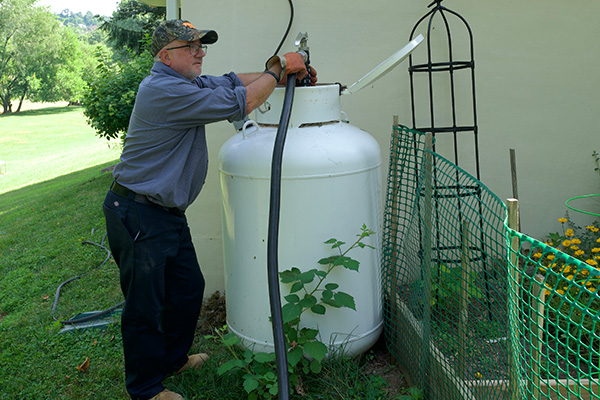
Leak calls are among the most time-sensitive events in propane operations, but response gaps still occur in the field. Whether caused by dispatch delays, incomplete information, or after-hours coverage issues, even short lapses can carry significant legal exposure. Courts and insurers do not evaluate intent; they evaluate response time, documentation, and adherence to established procedures. For propane businesses, this is not only a safety issue but a liability issue that can directly impact claims, insurance premiums, and long-term insurability. The expectation is clear: once a leak is reported, response protocols must activate immediately and consistently, without exception.
Response Time Is a Legal Benchmark
In leak-related incidents, response time becomes one of the first elements reviewed in any investigation. Call logs, dispatch records, and technician arrival times are scrutinized to determine whether the company acted within a reasonable and defensible timeframe.
What matters is not just how quickly a technician arrives, but how the company defines and enforces urgency internally. If internal policies state that leak calls are treated as emergencies, then any delay, whether operational or administrative, can be interpreted as a failure to follow established procedure.
This creates a legal vulnerability. Even when field conditions are complex, gaps between the initial customer report and documented response can shift liability toward the marketer. Consistency is critical. A well-defined response standard must be matched by actual execution in the field.
Dispatch Breakdowns Create the Highest Exposure
Most delays do not originate in the field, they begin at dispatch. Incomplete call intake, unclear escalation protocols, or misclassified service requests can delay response before a technician is even assigned.
A common failure point is when leak reports are treated as routine service calls rather than immediate hazards. This misclassification can add hours to response time and significantly increase risk exposure. In a legal review, this is often viewed as a preventable operational failure rather than an unavoidable delay.
After-hours coverage introduces another layer of risk. If answering services or on-call staff are not properly trained to identify and escalate leak calls, critical time can be lost. Companies that rely on third-party call handling must ensure those partners follow the same urgency standards as internal staff.
Documentation Determines Defensibility
In leak response cases, documentation is often more important than recollection. Detailed, time-stamped records provide the only reliable defense when response actions are questioned. This includes initial call intake details, dispatch timing, technician arrival, actions taken on-site, and any customer communication. Gaps or inconsistencies in this record can weaken a company’s position, even if the actual response was appropriate.
Field documentation must also reflect proper procedure. Leak checks, system shutdowns, and safety verifications should be clearly recorded. If a step is completed but not documented, it is often treated as if it did not occur. Technology plays a growing role here. Digital service records, real-time updates, and standardized reporting formats reduce the risk of missing or incomplete documentation.
Insurance Impact Extends Beyond a Single Incident
Delayed leak response not only affects the outcome of a single claim, but it can also influence long-term insurance relationships. Carriers evaluate patterns, not just isolated events. Repeated issues with response times, documentation gaps, or procedural inconsistencies can lead to increased premiums, higher deductibles, or reduced coverage options. In more severe cases, coverage may be restricted or denied altogether.
Insurers increasingly expect propane companies to demonstrate structured leak response protocols, documented training, and verifiable compliance with recognized safety standards. Companies that cannot show this level of control are viewed as higher risk, regardless of their size or market position.
Recommendations for Retailers
Strengthening one’s leak response is about eliminating variability. Here is a practical guide to achieving that goal:
1. Define and enforce emergency classification protocols
Ensure every reported gas odor or suspected leak is immediately categorized as an emergency, with no exceptions at intake.
2. Standardize dispatch escalation procedures
Implement clear, written workflows for both business hours and after-hours calls, including third-party answering services.
3. Audit response times and documentation regularly
Review call logs, dispatch records, and service reports to identify delays or inconsistencies before they become liabilities.
4. Equip technicians with real-time documentation tools
Use digital systems that capture time-stamped actions, ensuring field activity is recorded accurately and consistently.
Consistent Response Protects More Than Safety
Leak response is one of the few areas where operational discipline directly intersects with legal exposure. The expectation is not perfection, but consistency. Companies that treat every leak call with the same urgency, apply clear dispatch protocols, and maintain complete documentation are in a far stronger position when incidents are reviewed.
Companies that rely on informal processes or inconsistent execution face greater risk, even when outcomes are controlled. Over time, disciplined response practices do more than just reduce incidents; they serve to protect the business from avoidable legal and financial consequences.