February 20, 2026
Weather-Driven Marketing Wins: Using Winter Demand to Strengthen Your Business
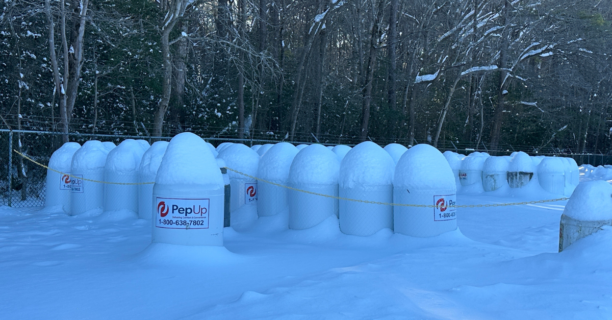
As winter weather continues to squeeze propane supply chains and heat demand across the U.S., smart marketers are finding ways to turn weather-inspired signals into stronger customer relationships and better margins. With sustained cold, snow, and ice from recent winter storms that strained grids and spiked fuel use, propane demand is front and center in consumers’ minds. These seasonal dynamics – coupled with ongoing National Propane Gas Association (NPGA) hours-of-service waivers and weather logistics alerts – present a rare opportunity: use timely, weather-specific outreach to deepen loyalty, communicate value, and protect your bottom line.
Winter Weather Isn’t Just a Challenge – It’s a Demand Signal
Across multiple regions this winter, below-average temperatures have pushed customers to top off their tanks early and rethink their energy backups. In East Texas and other parts of the country, freezing forecasts drove long vehicle queues at propane retailers as customers rushed to secure fuel, even surpassing demand seen during previous historic cold snaps. Meanwhile, federal hours-of-service relief declarations spanning dozens of states make it easier for drivers to respond to surge needs, underscoring how weather and regulatory signals intersect.
For marketers and sales leaders, these weather events are not abstract industry news headlines; rather, they are real, actionable demand triggers. Customers who are cold, nervous about outages, or seeing local storm alerts are far more receptive to messaging that feels relevant now.
Tailored Communication Beats Generic Outreach
Most propane businesses already track usage rates and seasonal fill patterns, but only the most successful ones use weather warnings as part of their customer engagement strategy. When forecasts call for sharp temperature drops or when utility grid warnings surface, consider:
• Targeted texts & email campaigns that remind customers to check their gauge and schedule a refill before the coldest nights arrive.
• Localized messaging referencing specific advisories (e.g., “With an active freeze warning tonight, here’s what you need to know…”), which feels concerned, personal, and timely.
• Educational content on safe winter storage and generator use, reinforcing your company as a trusted advisor during stressful seasons.
For safety managers and service techs, this alignment of communication and safety saves both headaches and emergency calls, thereby reinforcing confidence and reducing costly after-hours service runs.
Operational and Pricing Signals Matter to Customers Too
Winter weather isn’t only about demand spikes; it’s about logistics. Recent supply disruptions tied to pipeline and terminal issues in the Midwest and Mid-Atlantic illustrate the fragility of delivery infrastructure during peak season. As supply chains tighten, prompt communication about potential delays, pricing shifts, or extended delivery windows helps fuel suppliers to manage expectations and protect margins. Price transparency, structured around why costs change (e.g., increased rail pricing or extended driver hours), builds credibility.
Dispatchers and fleet planners can also integrate weather data into routing, optimizing for bottlenecks like snowbound roads or congested terminals. When your operations and customer outreach are speaking the same “weather language,” retention improves because your service feels dependable, not reactive.
Recommendations for Fuel Providers
• Set up weather alerts tied to your service territories and automate customer outreach when key thresholds (freezing temperatures, snow forecasts) hit.
• Educate proactively, not reactively, and share winter fuel safety and refill timing tips before customers run low.
• Use operational data in marketing, explaining delays or price changes with a clear context tied to weather and regulatory advisories.
• Train frontline staff to speak confidently about weather impacts, so that every customer touchpoint reinforces trust.
• Leverage regulatory developments like NPGA hours-of-service waivers in customer communication to highlight the lengths your company goes to serve them well.
Severe winter weather is one of your most powerful marketing signals if used with foresight and authenticity. By aligning forecasts, operations, and customer communication, propane businesses can not only weather the cold months but also strengthen their client relationships and margins well into the spring.