February 17, 2026
High Inventories, Lower Forecast Prices: A Window for Strategic Buying
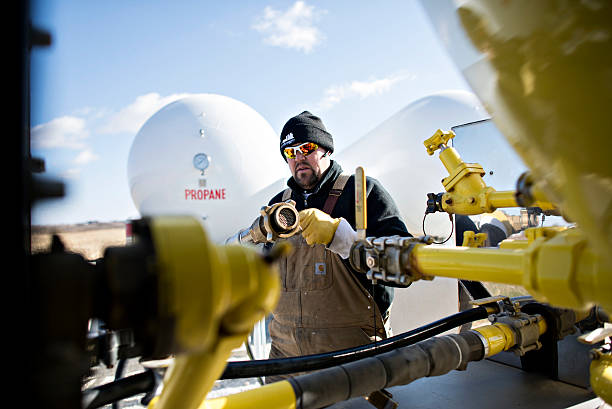
The latest federal energy outlook signals a softer propane pricing environment ahead. Government forecasts now estimate Mont Belvieu propane spot prices averaging about $0.58 per gallon in 2026, significantly lower than previous projections. At first glance, that sounds like a relief, but experienced operators know falling wholesale prices can compress retail margins if not managed carefully.
Proactive Steps to Take:
● Owners & CFOs: Review hedge strategies and pre-buy programs. With higher production forecasts and elevated stock levels, locking in select volumes during dips may protect against sudden cold-weather spikes.
● Dispatchers: Consider adjusting delivery routes to optimize fill levels rather than relying solely on emergency calls – higher supply often leads to competitive pricing pressure, making efficiency even more critical.
● Sales teams: Lower wholesale costs can be framed as a win for customers switching from higher-carbon fuels, especially in rural electrification gaps.
Propane’s domestic abundance remains a powerful selling point, reinforcing its image as a clean, reliable, and locally produced energy solution.
Weather Volatility Still Drives Demand Surprises
Even with strong supply, winter demand patterns remain unpredictable. Recent energy data shows large swings in heating demand tied to cold snaps and natural-gas market shifts. A historic winter storm recently drove massive natural-gas withdrawals, highlighting how quickly heating fuels can tighten.
For propane retailers, this reinforces a familiar truth: supply may be comfortable on paper, but logistics pressure can spike overnight.
Operational Insights:
● Drivers: Expect late-season route surges if cold weather returns. Pre-trip inspections and defensive driving protocols become even more important when schedules compress.
● Safety managers: Rapid temperature swings increase regulator icing risks and equipment stress. Schedule extra leak checks during extreme cold cycles.
● Service techs: Promote tank monitoring upgrades to reduce run-outs during volatile demand spikes.
Propane’s flexibility – from home heating to commercial applications – makes it resilient during energy disruptions, but only if delivery operations stay nimble.
Propane’s Market Edge Against Competing Fuels
Natural-gas storage remains above average levels, suggesting relatively loose supply conditions in the broader energy market. Ironically, this can work in propane’s favor. When competing fuels experience price swings or infrastructure constraints, customers often look for a dependable alternative.
Marketing and Growth Angles:
● Highlight propane’s lower emissions profile compared to traditional fuels.
● Emphasize off-grid reliability – a major advantage during severe weather events.
● Promote propane autogas or commercial applications to diversify revenue streams beyond residential heating.
Experienced operators who lean into propane’s “clean, resilient fuel” narrative are often better positioned to win new accounts when energy markets shift.
Actionable Takeaways
● Revisit pricing models now: With inventory levels high, evaluate flexible pricing or budget plans that protect margins while remaining competitive.
● Audit fleet readiness: Cold weather and heavy routing increase accident risk – reinforce driver safety briefings and preventive maintenance checks.
● Strengthen customer communications: Use current supply stability as a marketing message emphasizing propane’s reliability and environmental benefits.
● Update training schedules: Focus on winter safety topics such as regulator freeze prevention, leak detection, and emergency shutoff procedures.
● Review tax and cost strategies: Lower wholesale forecasts may create room to reinvest in routing software, tank monitoring, or employee retention programs.
Strong inventories and softer price forecasts don’t mean an easy season – they mean a strategic one. Companies that combine disciplined purchasing with efficient logistics and clear safety messaging can turn today’s market into a long-term advantage. As winter begins to wind down, now is the time to refine operational playbooks, strengthen team training, and position propane as the dependable, cleaner fuel customers need. Those who move early will be the best prepared when the next demand surge – or opportunity – arrives.