February 10, 2026
Propane–Butane Market Dynamics That Still Hit Your Bottom Line
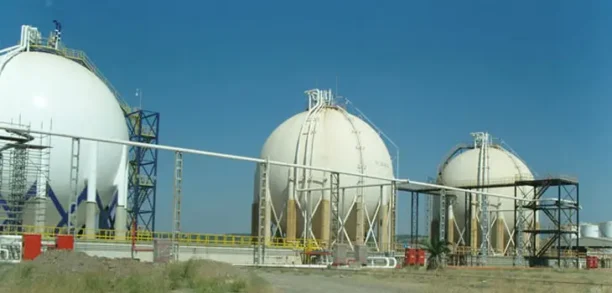
Most propane marketers focus on weather, inventories, and rack spreads. That’s rational, but incomplete. Propane pricing, availability, and volatility are increasingly shaped by what happens outside the retail propane channel, particularly by butane substitution and petrochemical demand. When petrochemical buyers swing between propane and butane, or when export economics tilt one way, the effects show up quickly in terminal supply, transport competition, and price behavior. For operators, this isn’t abstract market theory. It affects contract strategy, dispatch risk, cash flow timing, and even insurance exposure when supply disruptions force operational shortcuts. Understanding these dynamics in plain operational terms helps managers anticipate problems instead of reacting to them mid-season.
NGL Substitution: Why Butane Suddenly Competes With Your Gallons
Propane and normal butane are both natural gas liquids, and petrochemical buyers treat them as partially interchangeable feedstocks. When butane is plentiful and discounted, crackers and blenders lean away from propane. When butane tightens, often seasonally due to gasoline blending demand, petrochemical demand snaps back to propane.
For retail propane businesses, this substitution matters because petrochemical demand is great, flexible, and price-sensitive. A relatively small swing in petrochemical buying can absorb or release millions of barrels that would otherwise support retail supply. Operationally, this shows up as sudden basis moves at hubs, uneven terminal allocations, and tighter product availability even when total U.S. inventories look comfortable on paper.
Petrochemical Pull: The Demand You Don’t See Until It Bites
Petrochemical plants don’t buy like retail marketers. They buy in large blocks, move quickly, and chase margin. When export economics and feedstock spreads align, propane flows inland to plants instead of toward traditional distribution channels.
This “petrochemical pull” tends to compress the cushion retailers rely on during shoulder months. It also increases competition for railcars, pipelines, and fractionation capacity. From an operations standpoint, that means higher freight exposure, more frequent terminal outages or restrictions, and increased risk of short-notice supply rerouting – exactly the conditions that stress dispatch teams and driver hours.
Operational Risk: Where Market Structure Meets Daily Decisions
These dynamics don’t just affect price; they affect behavior. Tight supply environments increase the temptation to stretch delivery windows, overload routes, or defer non-critical maintenance. That’s where insurance risk quietly escalates. Claims histories show that incidents cluster during high-pressure periods – long hours, unfamiliar terminals, and rushed transfers.
Financially, volatility driven by petrochemical demand can widen the gap between wholesale costs and retail price adjustments, especially for capped or fixed-price customers. Without disciplined contract language and internal controls, margin leakage can be significant before management realizes the cause isn’t weather; it’s feedstock competition.
What Operators Should Do Now
First, revisit supply contracts with substitution risk in mind. Spot-heavy portfolios look attractive in calm markets but become fragile when petrochemical demand surges. A mix of term supply and optionality reduces forced buying at the worst moments. Second, align dispatch planning with market signals, not just forecasts. When NGL spreads tighten, assume transport friction will follow. Build slack into routes and staffing before terminals get crowded. Third, pressure-test safety and compliance procedures for high-stress scenarios. Make sure your teams know which rules cannot be bent, even during shortages. Insurers notice patterns, not excuses. Finally, improve internal communication between pricing, supply, and operations. Market-driven disruptions move faster than siloed decision-making. Weekly cross-functional check-ins during volatile periods can prevent costly missteps.
Why This Still Matters Long-Term
Propane marketers can’t control petrochemical demand or butane economics, but they can control how exposed their businesses are to those forces. Companies that understand NGL substitution treat volatility as an operational variable, not a surprise. Over time, that discipline shows up in steadier margins, fewer safety incidents, and stronger credibility with lenders and insurers. As propane continues to compete within a broader NGL ecosystem, the operators who think beyond weather charts will be the ones still standing when the next cycle tightens.