Insurance De-Risking That Improves Productivity
Insurance conversations in propane usually start with premiums and deductibles, but that framing misses the operational impact hiding underneath. Carriers are tightening underwriting, scrutinizing loss histories, and pushing more responsibility back onto operators. The businesses that respond best are not just lowering risk on paper; they are quietly reducing reruns, callbacks, overtime, and fatigue across their operations. In practice, many of the safety steps insurers care about most are the same ones that clean up dispatch inefficiencies, reduce driver stress, and stabilize labor costs. De-risking, when done right, actually becomes a productivity tool rather than a compliance burden.
Where Insurance Losses Really Come From
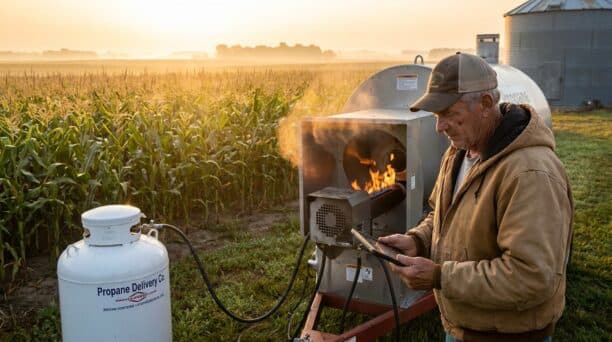
Most propane insurance losses are not catastrophic events. Rather, they are repeatable, operationally rooted incidents: vehicle accidents late in the day, missed leak checks, undocumented system changes, rushed winter installs, or inexperienced drivers covering unfamiliar routes. Claims data reviewed by carriers consistently shows time pressure and procedural drift as common factors. When drivers are doubling back to fix preventable issues or supervisors are approving overtime to catch up, risk compounds. The same patterns that lead to claims also erode margins through wasted labor and fuel. Addressing those root causes reduces both exposure and operating drag.
Safety Controls That Pay Back Operationally
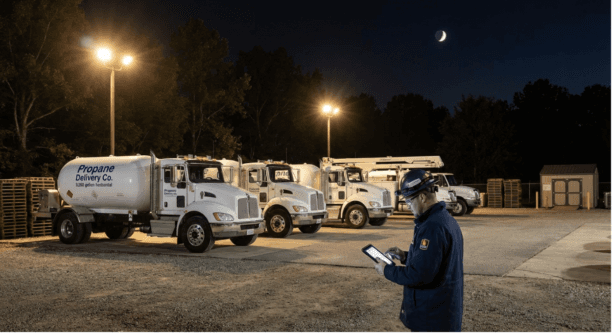
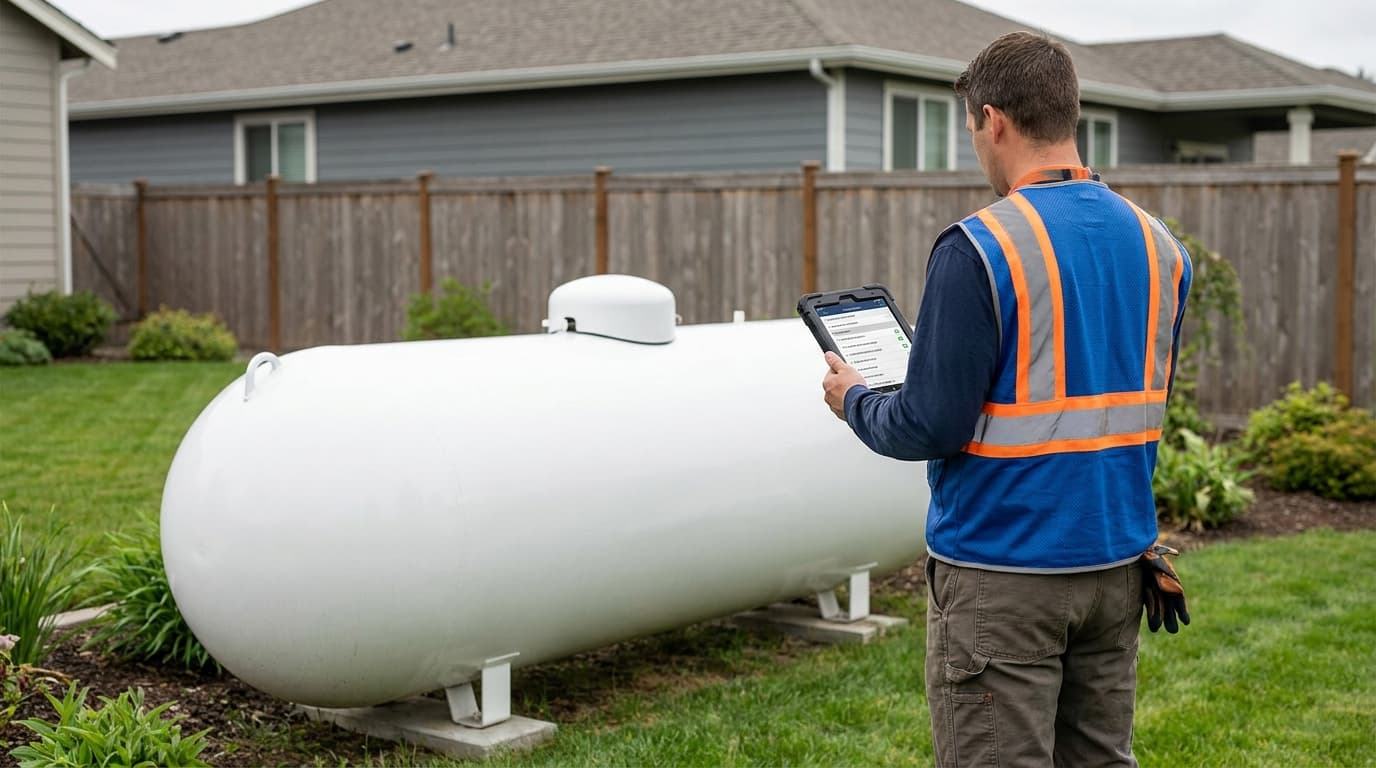
Some controls have an outsized return. Pre-dispatch route discipline reduces last-minute changes that lead to fatigue-related incidents. Documented leak checks and photo verification cut down on callbacks that eat up winter capacity. Clear authority rules for shutting down unsafe systems prevent technicians from making judgment calls under pressure that later turn into claims. Insurers pay attention to these controls because they work. Operators should pay attention because they remove friction from daily execution. Over time, fewer interruptions mean steadier schedules, lower overtime, and better driver retention.
Staffing, Training, and Dispatch Alignment
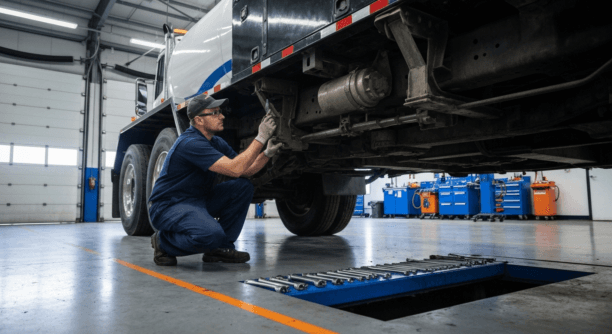
Insurance de-risking increasingly intersects with staffing decisions. Carriers are looking closely at driver tenure, training documentation, and turnover. From an operations standpoint, inconsistent staffing forces dispatch to stretch routes and compress service windows, which increases both accident risk and inefficiency. Cross-training technicians on seasonal tasks and maintaining stable route ownership reduces learning curves and errors. Dispatch software that flags long days and cumulative hours helps supervisors intervene before productivity slips into exposure. These are not abstract improvements. They directly affect how many stops a crew can safely complete in a day.
What Operators Should Do Now
First, map claims and near-misses back to specific operational breakdowns, not just policy categories. Second, standardize documentation at the field level so inspections and service actions do not rely on memory during audits or investigations. Third, adjust dispatch rules to cap route extensions that push drivers into high-risk hours. Fourth, involve insurance partners early when changing procedures so improvements are recognized during renewal, not after a loss.
The Long View on De-Risking
Insurance pressure is not easing, but operators are not powerless. The companies that perform best treat de-risking as an operational discipline, not a paperwork exercise. Cleaner execution leads to fewer interruptions, calmer crews, and more predictable days. Over time, those gains compound into lower loss ratios, steadier labor costs, and stronger negotiating positions with insurance carriers. The payoff is not just safer operations, but a propane business that runs more smoothly under stress and scales more confidently as conditions change.