
January 23, 2026
Competing in an Oversupplied Propane Market Without Encouraging Churn
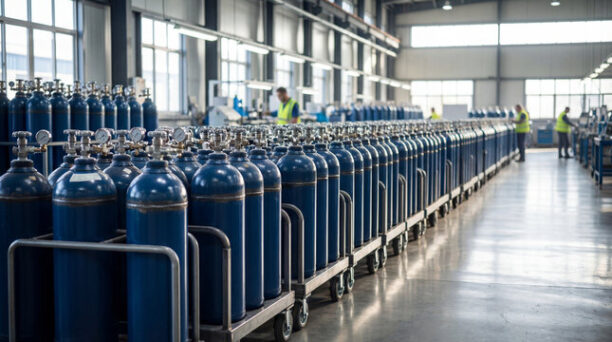
The current pricing environment is uncomfortable for many propane operators. Supply is ample, spot prices are soft, and competitors are quick to undercut to protect gallons. On paper, this looks like a win for customers. Operationally, it creates a trap. Price-only competition trains customers to shop every renewal, weakens margin discipline, and shifts risk onto delivery, safety, and staffing teams that still have to perform at winter standards. For propane businesses, the challenge is not whether to respond on price, but how to do it without eroding long-term account value, service reliability, or regulatory posture.
Oversupply Changes Behavior Faster Than Balance Sheets
When supply is long and pricing pressure builds, customer behavior changes before financial statements do. Fixed-price offers get scrutinized. Budget plans feel less compelling. Competitors test how quickly accounts will switch for a few cents. This is where many operators make their first mistake: matching low prices universally. That approach flattens differentiation and ignores cost-to-serve differences across accounts. In an oversupplied market, the real risk is not losing a customer today, but teaching your base that loyalty has no value beyond the next price check.
Price Cuts Have Hidden Operational Costs
Aggressive discounting rarely stays confined to the sales desk. Lower margins compress room for overtime, seasonal staffing, and equipment maintenance. Dispatch flexibility tightens just as weather volatility increases route variability. Insurance exposure does not decline with price, and neither do compliance obligations tied to training, documentation, and vehicle standards. These costs are largely fixed. When pricing drops without guardrails, operators often end up subsidizing high-friction accounts that generate the most service calls, reschedules, and delivery risk.
Segment Before You Discount
Experienced operators know that not all gallons are equal, but oversupply markets pressure teams to forget that. High-volume, low-touch commercial or agricultural accounts may warrant sharper pricing because delivery efficiency offsets margin. Remote residential accounts with unpredictable access do not. Oversupply rewards segmentation discipline. Price moves should be targeted, time-bound, and tied to operational efficiency, not fear of losing accounts. This is also where contract structure matters. Short-term price relief tied to volume commitments or delivery terms protects against churn better than blanket cuts.
Don’t Confuse Market Cycles With Permanent Conditions
Oversupply environments feel stable until they are not. Inventory data from the U.S. Energy Information Administration (EIA) shows how quickly regional balances can tighten with weather shifts or logistics constraints. Operators that hollow out margins during soft periods often struggle to recover when conditions normalize. Customers remember who remained predictable more than who had the cheapest prices for one season. Pricing strategy should assume the cycle will turn, even if timing is uncertain.
Practical Steps to Take Today
First, calculate true cost-to-serve by account and route, including delivery variability and service load, before approving price concessions. Second, use targeted, conditional pricing tied to volume, payment terms, or delivery windows rather than open-ended discounts. Third, align sales and dispatch so pricing decisions reflect route efficiency, not just competitive pressure. Fourth, protect core service standards and safety budgets regardless of pricing moves; cutting here creates downstream risk that far outweighs short-term margin gains.
The Long Term Perspective on Price Discipline
Oversupply tests discipline more than demand. Operators who respond thoughtfully can protect margins, retain the right customers, and preserve operational stability. Those who chase every penny often inherit the most price-sensitive accounts with the highest service cost. Competing well in this environment means using price as a tool, not a signal of desperation. When the market tightens again, companies that held the line will still have trained customers, intact operations, and the flexibility to move first rather than recover.