January 23, 2026
The Value of Disciplined Responses to Propane Tank Leak Warnings
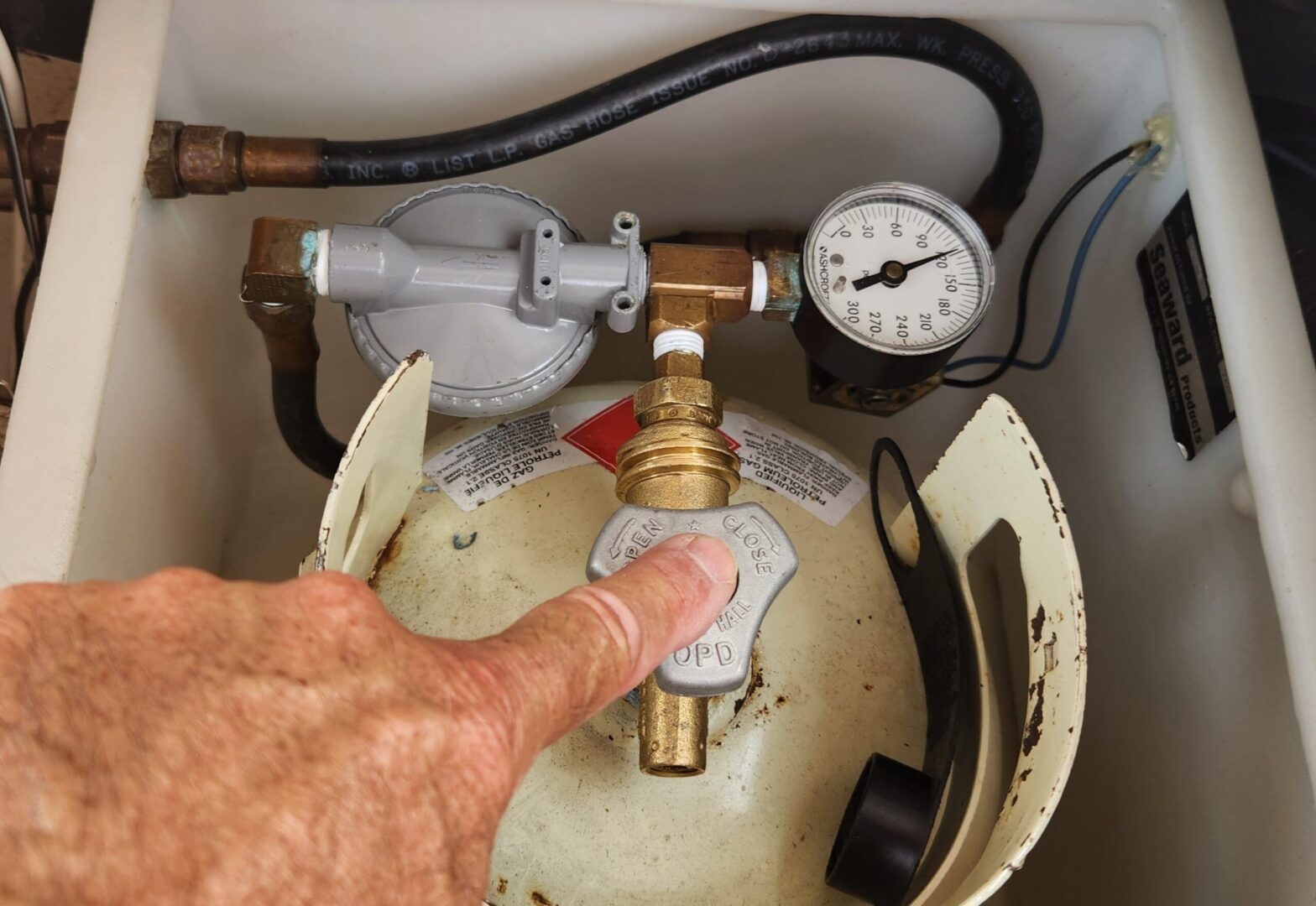
A recent propane tank leak in Littleton, Massachusetts, is not remarkable because it happened, but because of how familiar the early warning signs were. Odor complaints, emergency response, and public safety messaging followed a pattern every experienced propane retailer recognizes. What makes incidents like this operationally significant is the downstream impact. A single residential leak can trigger fire department involvement, media coverage, municipal scrutiny, insurance review, and customer anxiety across an entire service area. For propane businesses, these events carry financial risk, regulatory exposure, and reputational consequences that extend far beyond just the affected tank.
What Leak Warnings Look Like in the Field
Most propane leaks do not begin as dramatic failures. They surface as odor calls, pressure irregularities, or intermittent customer complaints that may initially sound routine to dispatch. In the Littleton case, local officials urged residents to take the odor seriously and call emergency services rather than troubleshoot themselves. From an operations standpoint, this reinforces a critical reality. By the time public messaging begins, the company involved has already lost control of the narrative. Early field recognition and escalation determine whether an incident remains a service call or becomes a public safety event.
Operational Risk and Response Timing
The first operational decision that matters is not repair, but isolation. Shutting down supply, securing the area, and coordinating with local responders protects life and limits liability. Delays, even when well-intentioned, can create exposure if ignition sources remain active or if responders arrive without accurate system information. Documentation also becomes critical immediately. Incident timelines, technician notes, and meter readings often surface later during insurance claims or state review. Companies with disciplined response protocols do much to reduce uncertainty when questions arise weeks or months later.
Business and Insurance Implications
Leak incidents frequently trigger insurer involvement, even when no damage occurs. Claims adjusters examine response time, technician training, and adherence to written procedures. Repeated odor complaints tied to the same asset can raise red flags during renewal. Staffing also comes into play. Technicians under pressure may hesitate to escalate if authority is unclear, while dispatchers may underestimate risk if calls sound familiar. These are not technical failures. They are process failures that compound operational risk.
Actions Retailers Should Implement Now
First, review odor and leak escalation thresholds with dispatch and field staff. If escalation relies on individual judgment rather than policy, risk increases. Second, confirm that technicians have clear authority to shut down systems and request emergency response without management approval delays. Third, audit documentation practices for leak-related calls to ensure timelines and actions are consistently recorded. Fourth, proactively communicate with customers about odor reporting expectations before incidents occur, not after media coverage begins.
The Broader Operational Takeaway
Incidents like Littleton serve as reminders that propane safety is not just a field issue; it is a systems issue that touches dispatch, training, insurance, customer communication, and compliance. Retailers who treat leak warnings as operational signals rather than isolated service calls are better positioned to contain risk. Strong early decisions protect people, preserve trust with municipalities, and reduce long-term financial exposure. In an industry where reputation travels faster than trucks, disciplined responses are a business asset, not a business expense.