January 21, 2026
Two-Month Trade Show Prep That Pays Off on the Show Floor
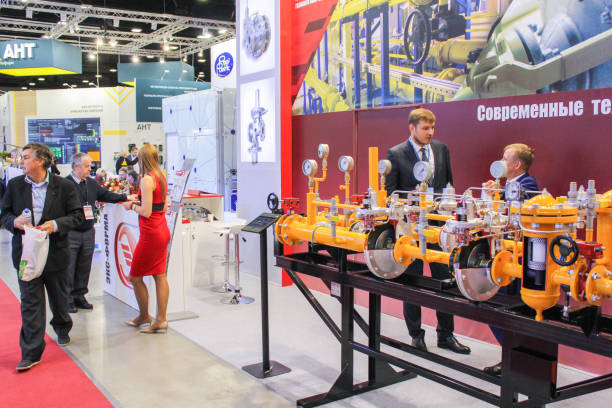
Most propane trade shows look productive from the outside. Busy aisles, polished demos, and packed calendars can create the feeling that value is guaranteed. In reality, the difference between a productive show and an expensive distraction is what happens in the two months before you arrive. With a full slate of regional, state, and national events listed on the Propane Insider Trade Shows and Events calendar, propane retailers have no shortage of marketing and networking opportunities. The risk is showing up unprepared. Vendors are trained to sell features. Operators need answers that protect cash flow, staff time, safety, and uptime during the heating season.
Pricing Models That Hold Up Under Real Load
The first conversations should focus on how pricing behaves under stress. Ask how costs scale as trucks, drivers, transactions, or gallons increase. Some systems price per user, others per asset, and others per action. Each model creates different pressure points. A platform that looks affordable in July can quietly punish volume in January. Experienced operators know winter margins are earned through efficiency, not surprise fees. Before the show, map your peak-month usage and ask vendors to walk through that scenario line by line.
Implementation Timelines and Operational Exposure
Implementation is where good ideas collide with real operations. Vendors often promise fast rollouts, but timelines rarely reflect internal labor demands, data cleanup, or training overlap with peak season. Ask what resources you must supply, which roles will be diverted from daily work, and what happens if milestones slip. In propane operations, a delayed implementation can mean dispatch confusion, delivery errors, or safety shortcuts. These risks carry real insurance and compliance consequences that need to be weighed before any contract is signed.
Training and Support When Conditions Are Worst
Training plans matter more than feature lists. Ask how new drivers, seasonal hires, and supervisors are trained, and how retraining is handled after turnover. Clarify whether training is included or billed separately. Support deserves equal scrutiny. Ask about response times during winter events, weekend coverage, and escalation paths when systems fail mid-route. A platform that works only during business hours creates operational exposure that no amount of software savings can offset.
Proof of ROI That Matches Your Operation
ROI claims should be specific and comparable. Ask vendors for examples that align with your delivery mix, geography, and fleet size. Look for proof tied to measurable outcomes such as reduced overtime, fewer runouts, tighter routing, or lower administrative rework. Be cautious of averages pulled from unrelated markets. If a vendor cannot show results from operations similar to yours, the risk sits squarely on your balance sheet.
A Practical Pre-Show Playbook
First, review upcoming events and decide which shows justify time away from operations. Second, define two or three problems you are actively trying to solve and ignore everything else. Third, schedule vendor meetings in advance and treat them like procurement reviews, not demos. Fourth, involve operations or safety leadership early to test assumptions before enthusiasm takes over.
The Operational Takeaway
Trade shows reward discipline, not curiosity. Operators who prepare early arrive with leverage, clarity, and realistic expectations. Using the event calendar strategically and asking hard questions before the show turns vendor conversations into business decisions instead of impulse buys. Over time, this approach reduces failed implementations, protects staff capacity, and provides innovative new tools that support safety, compliance, and service when conditions are least forgiving.