January 21, 2026
Using HOS Waivers Without Stalling Winter Operations
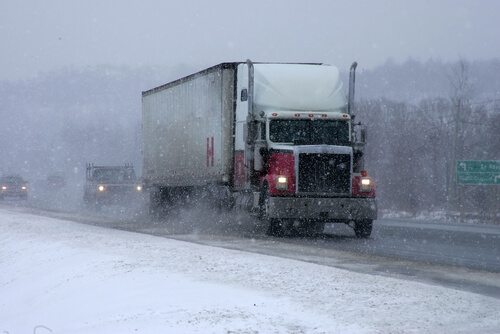
Why HOS Decisions Matter More in Winter
Hours-of-service waivers are a familiar winter tool in propane, but they are also one of the fastest ways to create downstream risk if used carelessly. When cold snaps hit and demand spikes, exemptions can keep trucks moving and customers supplied. They can also quietly increase fatigue, accident exposure, and post-incident scrutiny if dispatch and management lose discipline. For propane businesses, HOS waivers are not just a compliance issue. They affect insurance outcomes, workers’ compensation claims, driver retention, and how regulators and plaintiffs’ attorneys view your operation after an incident. The difference between smart use and sloppy use often shows up months later, not during the storm itself.
What HOS Waivers Actually Change
Winter HOS waivers suspend certain federal driving and on-duty limits, but they do not suspend responsibility. Drivers are still expected to be fit for duty, equipment must remain compliant, and companies must demonstrate that decisions were reasonable given the conditions. In practice, waivers shift more judgment onto dispatch and supervisors. Routing choices, relief planning, and load sequencing suddenly carry more weight because there is less regulatory structure forcing rest breaks. If something goes wrong, investigators will not ask whether a waiver existed. They will ask whether fatigue, poor planning, or unrealistic schedules played a role.
Fatigue Risk Is a Management Problem, Not a Driver Problem
Most winter fatigue issues are not caused by drivers pushing limits on their own. They come from extended days stacked back-to-back, night callouts layered onto full daytime routes, and dispatch decisions made hour by hour instead of shift by shift. Waivers make this easier to overlook. From an insurance and DOT perspective, fatigue-related crashes during waiver periods often draw closer scrutiny because plaintiffs argue the company “chose speed over safety.” That argument becomes harder to defend if logs show long stretches without meaningful rest or if internal policies are vague.
Dispatch and Staffing Choices Drive Liability
How you deploy waivers matters as much as whether you use them. Companies that treat exemptions as a blanket green light often expose themselves to DOT enforcement once the waiver expires. Others limit waiver use to specific routes, terminals, or days with documented need. Staffing depth plays a role as well. Winter relief drivers, cross-trained service techs, and staggered start times reduce reliance on exemptions and show regulators that waivers were a last resort, not a staffing strategy. Those details matter during audits and insurance renewals.
Practical Steps Operators Should Take Now
First, define internal waiver rules in writing before winter hits, including maximum daily hours and mandatory off-duty periods, even when exemptions apply. Second, require dispatch to document why a waiver was used for a given shift or route, not just that one existed. Third, rotate drivers intentionally during peak events so the same people are not repeatedly carrying the longest days. Fourth, review waiver-period logs after storms end to identify patterns that could trigger fatigue or enforcement risk during the next season.
The Long View on Waivers and Winter Risk
HOS waivers are a useful tool, not a safety net. Companies that treat them as part of disciplined winter planning tend to protect both service reliability and long-term risk exposure. Those that rely on them to compensate for thin staffing or reactive routing often pay later through claims, citations, or lost drivers. Used carefully, exemptions can support customer service during extreme weather. Used casually, they create exactly the kind of paper trail that turns a routine incident into a costly problem.