January 16, 2026
Keep Calm and Keep Delivering – Even During Equipment Failures
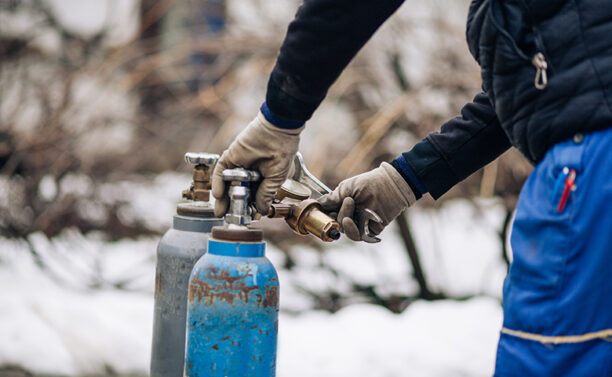
Peak season can be the most exciting time for your propane business – but it can also be the most stressful. When demand is high and trucks are running nonstop, one breakdown can throw your whole schedule off. Equipment failures during busy months aren’t just frustrating – they can affect your customer service, your reputation, and even your bottom line.
How you prepare for these breakdowns and how you respond when they happen can make all the difference. Having a clear plan in place ahead of time can do much to help you stay calm, act quickly, and keep your business moving forward without missing a beat.
Have a Backup Plan Before You Need It
Waiting until something fails is the worst time to start thinking about what to do next. One of the smartest moves you can make is to have backup equipment, parts, or vendor contacts lined up before any incident occurs. This includes everything from spare hoses and regulators to backup delivery trucks or rental options. When you have a fallback ready, you lose less time and get back on the road faster.
It also helps to build strong relationships with local repair shops or mechanics that you can count on to come through for you in a pinch. The more proactive and prepared you are, the less time you’ll have to spend scrambling if and when your equipment malfunctions.
Train Your Team to Spot Early Signs
Many breakdowns don’t happen out of the blue. Often, there are small warning signs that go unnoticed – until it’s too late. Train your drivers and techs to look for those early signs. Whether it’s a strange noise, a drop in pressure, or a small leak, early detection can mean the difference between a quick fix and a full-day delay.
Set up a regular inspection routine that everyone follows, especially during peak season. If a driver knows what to look for and how to report it quickly, you have a better chance of catching issues early. Make sure all team members are trained in this regard, and be sure to have a consistent reporting system in place.
Keep Extra Parts and Supplies Handy
Having the right parts on hand during peak season is a big time-saver. Stock up on items that tend to wear out quickly – such as fittings, hoses, and valves – before the winter rush hits. If you’re waiting days and days for a small part to ship, you’re losing more than just time. You’re risking customer trust and loyalty.
A well-stocked storage shelf of critical parts means your team can make quick fixes in the field, without long waits or emergency repair runs. It also demonstrates to your customers that you’re reliable, proactive, and prepared for anything that may arise.
Prioritize Repairs Based on Impact
When something fails, it’s easy to panic and want to fix everything at once. But not all breakdowns are the same. Train your team to take the time to look at the situation and assess what’s most urgent. Is the failure stopping deliveries? Is it creating a safety risk? Or is it something you can work around for now and take care of later?
Encourage your team to make quick decisions based on what affects safety first and foremost, followed by what affects your customers. Having a clearly established and communicated priority system helps you stay focused and makes your team more efficient under pressure.
Talk to Your Customers If Delays Happen
No one likes delays, but most customers will be understanding if you’re open and honest with them. If a breakdown is going to cause a late delivery or missed appointment, let them know right away. Keep the message clear, professional, and direct. A quick phone call or text update can go a long way toward keeping trust, even when things aren’t going well. Good communication during tough times often earns more respect from customers than perfect service during smooth ones.
A Calm Plan Leads to Better Results
Dealing with equipment failures during peak season isn’t easy, but it doesn’t have to stop your business in its tracks. With a little preparation, solid training, and clear communication, you can keep your operations running consistently, even when things go wrong.
Customers often remember how you respond during challenging issues more than the issue itself. When your team stays calm, solves problems efficiently, and keeps customers informed, it demonstrates that you’re reliable and trustworthy, even under pressure. That kind of trust is what keeps customers coming back and helps your business grow strong year after year.