Propane Autogas vs. Diesel: A Comparative Analysis for Vehicles in 2026
Fleet operators face critical decisions when selecting fuels for vehicles, balancing cost, performance, and environmental impact to optimize operations. Propane autogas and diesel are two prominent options, each with distinct characteristics that influence their suitability for commercial and public sector fleets. In early 2026, with the need for reliable and sustainable fuel solutions, the choice between propane autogas and diesel carries significant implications. A detailed comparison reveals propane autogas’s advantages in cost-effectiveness, emissions reduction, and operational efficiency. This article examines these factors, presented formally to guide fleet managers and propane businesses in making informed fuel decisions.
Cost-Effectiveness and Fuel Savings
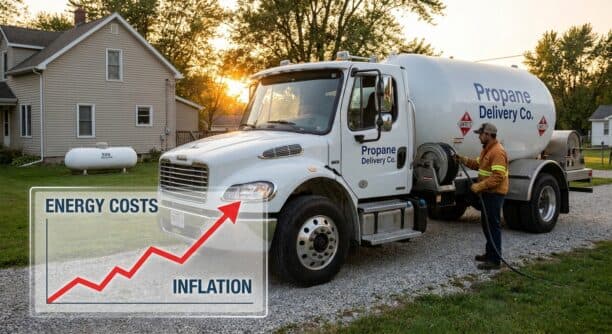
Propane autogas offers substantial cost advantages over diesel for vehicle fleets. On average, propane autogas is priced 30–50% lower per gallon equivalent than diesel, driven by stable domestic production and lower refining costs. Fleets converting to propane autogas can save approximately $0.37 to $1.50 per gallon, depending on regional fuel prices, with total fuel cost reductions of up to 40% annually. Initial conversion costs for propane autogas vehicles range from $6,000 to $12,000 per vehicle, significantly less than the $20,000+ for diesel retrofits or new purchases. Maintenance costs are also lower, as propane’s clean combustion reduces engine wear, extending oil change intervals by up to 50% and cutting maintenance expenses by 20–30%. These savings make propane autogas an economically attractive option for fleets in 2026.
Emissions and Environmental Impact
Environmental regulations and sustainability goals increasingly shape fleet fuel choices, and propane autogas outperforms diesel in emissions reduction. Propane autogas produces up to 25% fewer greenhouse gas emissions, 60% less nitrogen oxides, and 90% less particulate matter than diesel, aligning with stringent air quality standards. Its non-toxic nature eliminates risks of soil or water contamination from spills, unlike diesel, which poses environmental hazards. Renewable propane autogas, derived from bio-based feedstocks, further reduces carbon intensity, supporting net-zero targets. In contrast, diesel’s higher emissions contribute to smog and health concerns, particularly in urban areas. Propane autogas’s cleaner profile positions it as a sustainable choice for fleets facing 2026’s regulatory pressures.
Performance and Operational Reliability
Propane autogas delivers reliable performance comparable to diesel, meeting the demands of heavy-duty fleet operations. Vehicles powered by propane autogas maintain equivalent horsepower and torque, ensuring no compromise in payload or towing capacity for applications like school buses, delivery vans, or municipal trucks. Propane’s high octane rating (104–112) supports efficient combustion, reducing engine knocking and enhancing longevity. Unlike diesel, which can gel in extreme cold, propane autogas performs consistently in temperatures as low as -40°F, a critical advantage during severe weather events. Refueling infrastructure is simpler, with on-site or mobile propane stations requiring less space and investment than diesel’s complex systems, ensuring operational continuity.
Infrastructure and Adoption Feasibility
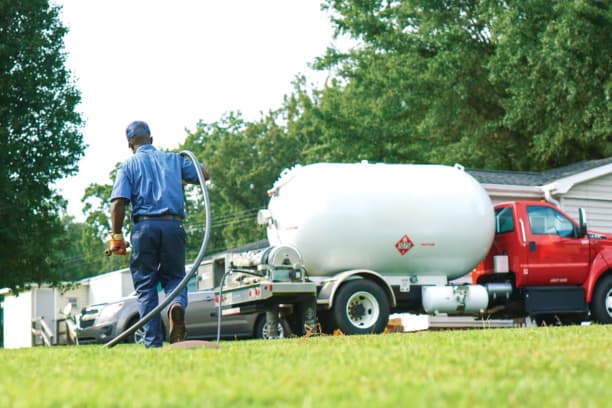
The ease of adopting propane autogas enhances its appeal for fleet operators. Propane refueling stations cost $20,000 to $100,000 to install, compared to $200,000+ for diesel infrastructure, and can be deployed in weeks rather than months. Existing gasoline vehicle platforms are readily convertible to propane autogas, avoiding the need for specialized diesel engines. Fleets benefit from flexible fueling options, including public stations or on-site dispensers, supported by propane’s domestic availability – over 90% of U.S. propane is produced locally. As fleets face budget constraints and decarbonization pressures, propane autogas’s scalable infrastructure facilitates swift adoption without disrupting operations.
Long-Term Benefits and Market Adaptability
Propane autogas offers long-term benefits that align with evolving fleet priorities. Its lower lifecycle costs, combining fuel, maintenance, and infrastructure savings, improve return on investment within 2–3 years. The fuel’s domestic production shields fleets from global oil market volatility, unlike diesel, which is subject to international supply fluctuations. Propane autogas vehicles qualify for tax credits and grants under clean energy programs, further offsetting costs. Additionally, propane’s versatility supports emerging hybrid systems, integrating with electric or renewable fuels, ensuring adaptability to future regulations. These factors make propane autogas a forward-looking choice for fleets navigating 2026’s economic and environmental landscape.
Driving Sustainable and Cost-Effective Fleets
Propane autogas’s advantages position it as a superior fuel for fleets in 2026. Its significant cost savings enhance financial efficiency, enabling reinvestment in operations. Lower emissions and renewable options align with environmental standards, improving air quality and compliance. Reliable performance ensures operational uptime, critical during weather disruptions. Simplified infrastructure accelerates adoption, meeting budget and timeline constraints. Long-term adaptability supports evolving regulatory and market demands. By leveraging these strengths, propane businesses can attract fleet operators seeking sustainable, cost-effective solutions, expanding market share and reinforcing trust in a year defined by energy challenges.
Advancing Fleet Efficiency and Sustainability
Propane businesses that promote the cost, performance, and environmental benefits of autogas will go a long way in empowering fleet managers to optimize their operations. Their focus on efficiency and sustainability addresses critical industry needs. This strategic approach will do much to drive market growth and establish propane autogas as a leading fuel for fleets in 2026.