January 9, 2026
Why Tank Monitoring Is Becoming a Standard, Not a Luxury
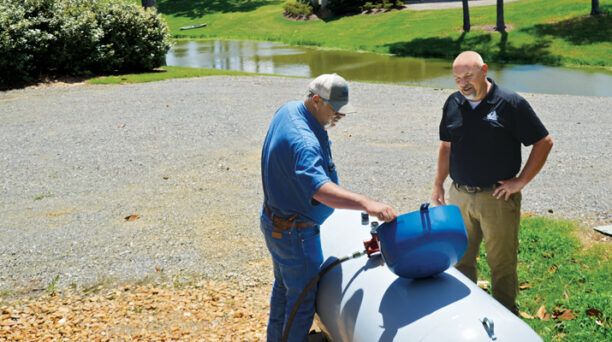
For years, remote tank monitoring was seen as a nice add-on for propane companies that wanted to experiment with new technology. That view is changing fast. Rising delivery costs, tighter labor markets, and higher customer expectations are pushing propane businesses to rethink how they manage gallons in the field. At the same time, weather volatility and supply pressures are making inefficient routes and runouts more costly than ever. Tank monitoring is now less about convenience and more about control. Many propane companies are finding that real-time tank data directly affects margins, safety performance, driver productivity, and customer retention.
From Route Guessing to Data-Driven Deliveries
Traditional route planning often relies on degree days, past usage, and educated guesses. While that approach worked when costs were lower, it leaves little room for error today. Tank monitoring replaces assumptions with actual data, showing fill levels in real time. This allows dispatchers to schedule deliveries based on actual need, not estimates. According to industry reporting, companies utilizing tank monitoring measures can reduce unnecessary stops, improve drop sizes, and cut miles driven – all of which directly impact fuel costs and driver hours.
Operational and Safety Benefits
Tank monitoring also supports safer operations. Knowing tank levels helps prevent runouts that can lead to emergency calls, system shutdowns, and frustrated customers. It also reduces the pressure on drivers to make judgment calls in the field. From a management standpoint, fewer emergency deliveries mean less overtime, lower stress on staff, and more predictable schedules. These operational improvements often translate into better driver retention, which remains a major challenge across the propane industry.
Customer Expectations Are Shifting
Customers are increasingly accustomed to proactive service in other areas of their lives. Automatic deliveries, accurate billing, and uninterrupted fuel supply are now expected, not appreciated extras. Tank monitoring helps propane companies deliver on those expectations by ensuring timely fills and clearer communication. Some marketers also use monitoring-supported service plans as a selling point, positioning reliability and safety as part of the value offered to both residential and commercial accounts.
Proactive Steps You Can Take
Start by evaluating which customer segments will benefit the most from tank monitoring, such as high-usage or hard-to-access tanks. Review delivery data to identify routes with frequent runouts or small drops. Train dispatch and drivers on how to use tank data effectively, not just collect it. Finally, work monitoring costs into pricing or service plans so the investment supports long-term margins instead of eroding them.
Looking Ahead
Tank monitoring is no longer just a technology trend or a nice add-on to your service plans. Rather, it is becoming a practical response to rising costs, labor constraints, and higher service expectations. Propane businesses that adopt tank monitoring as part of their everyday operations gain clearer visibility into demand, safer delivery planning, and stronger customer relationships. Looking ahead, companies that treat tank monitoring as standard infrastructure rather than an optional upgrade are likely to be better positioned for efficiency, growth, and stability in an increasingly competitive market.