2026’s First Big Test for Propane Fleets
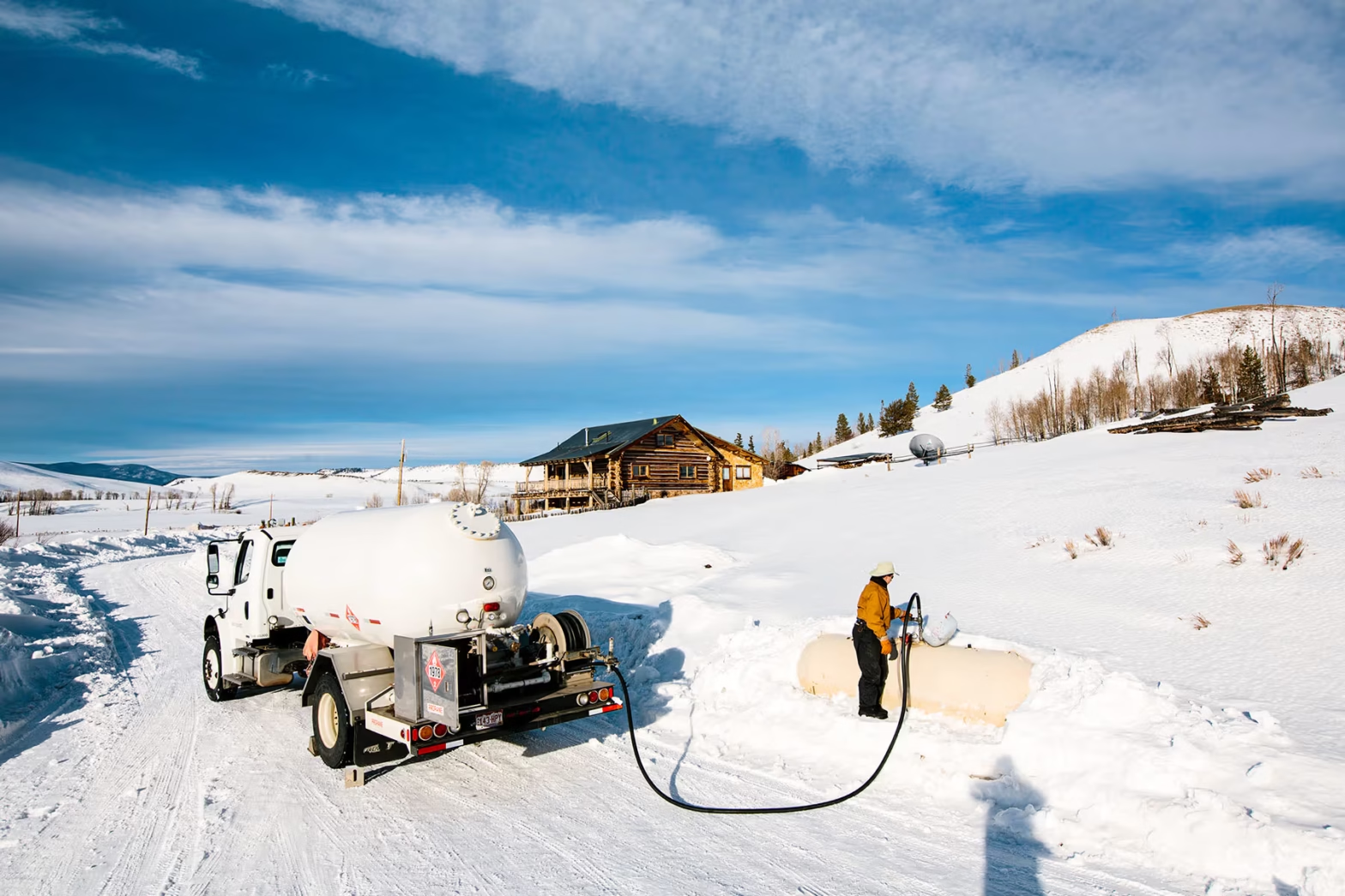
Heavy winter demand is now fully upon the U.S. propane industry, with a major snow and ice storm having just swept across much of the country. With this massive winter weather event, the operational tests of 2026 have been kicked into high gear. Across numerous states, leaders have declared disaster and emergency responses to delivery delays, allowing expanded driver hours and waived delivery restrictions as long lines form at fuel terminals and rural customers face delayed fills. In Kansas, for example, the governor invoked a State of DisasteraSZX xc Emergency to ease propane deliveries and suspend statutes that might slow response efforts – a signal of just how acute delivery constraints can become in peak season.
Propane Industry Considerations
At the same time, regulatory relief has not arrived on a blanket basis (unlike the snow, which in many states did!). In December, the Federal Motor Carrier Safety Administration rejected the NPGA’s wintertime Hours‑of‑Service exemption petition, meaning propane haulers must continue operating under standard HOS limits unless specific regional waivers are granted. This decision shifts the responsibility for managing driver schedules and compliance back to individual carriers’ operational teams during an already demanding season.
Thankfully, broader market fundamentals remain supportive. The most recent price data shows propane prices edging higher with winter demand – but inventories are currently strong enough to prevent spikes so far, offering a buffer against supply anxieties.
Strategies to Keep Operations Strong
For last‑mile delivery operators, this mix of tight seasonal demand, localized bottlenecks, and regulatory constraints requires decisive action. First, dispatch and logistics teams should build flexibility into driver schedules before delays materialize. Smart route planning that accounts for potential wait times at terminals and regional weather impacts can reduce wasted hours and minimize HOS violations. Training staff in proactive tolerance forecasting – where drivers, dispatch, and customer service teams all share real‑time updates – will also do much to help smooth service expectations.
Second, diversifying supply points and planning terminal backups pays dividends. Recent infrastructure additions, such as the new CHS Inc. propane terminal in Montana designed to serve Western and Central customers more reliably, highlight the value of large local supply hubs in alleviating regional pressure.
Finally, consistent and clear communication with customers goes a long way in building trust during peak stress periods. Transparency about realistic delivery windows and safety‑first compliance with regulatory limits shows customers that you value both their comfort and your field teams’ well‑being.
Turning Adversity Into Advantage
The winter of 2026 is already shaping up as both a logistics challenge and a prime opportunity for propane marketers. By planning proactively, reinforcing compliance discipline, and implementing strategic coordination across teams, fuel companies can do much to convert seasonal pressure into solid, long-term performance gains. Will your business take these key steps to turn winter adversity into a corporate advantage?