
When Propane Inventories Look Strong but Local Supply Tightens
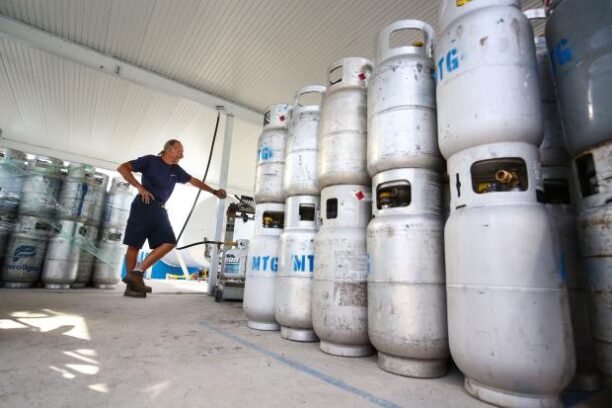
Propane inventory reports often create a false sense of security. National and regional stock levels can appear healthy on paper while distributors in specific markets quietly struggle to secure loads. For propane retailers and operations managers, this disconnect creates real operational risk. Dispatch plans, contract pricing, customer commitments, and transport scheduling are often built around the assumption that inventory signals reflect actual availability. However, storage levels aggregated across large regions frequently mask logistical bottlenecks, transportation limits, and uneven distribution of product. When those imbalances surface, retailers may face sudden rack congestion, higher spot prices, or unexpected delivery delays, even in a year when national inventory data suggests that the supply should be comfortable.
Inventory Data Reflects Storage, Not Accessibility
Industry inventory reports track barrels in storage, not how easily those barrels can reach end users. A region can show adequate propane stocks while specific distribution hubs face tight supply conditions. Large storage caverns in places such as Mont Belvieu, Conway, or other major hubs may hold substantial volumes, but accessibility depends on pipeline flow, rail capacity, truck availability, and local terminal throughput. If propane is sitting in a major storage hub but cannot move efficiently into secondary markets, retailers downstream may experience temporary shortages.
Seasonal shipping patterns can intensify the problem. Export demand, petrochemical feedstock consumption, and winter heating demand often compete for the same product flows. When exports increase or petrochemical plants pull additional barrels, pipeline allocation and terminal availability can tighten rapidly in certain corridors. Inventory reports may still show strong national supply levels, but local rack operators begin limiting load windows or increasing wait times. For propane retailers relying on just-in-time deliveries, these logistics gaps can create operational stress within days.
Transportation Constraints Can Shift Supply Overnight
Transportation networks determine whether inventory data translates into real availability. Pipeline maintenance, rail congestion, or trucking shortages can isolate entire markets temporarily.
Propane distributors typically rely on a combination of pipelines, rail deliveries, and transport trucks to maintain supply. When one component tightens, the system becomes less flexible. For example, if pipeline nominations are restricted or rail shipments are delayed, local terminals must rely more heavily on truck transport from alternative supply points.
This shift often increases transportation distances and costs. Retailers may suddenly find their normal rack running short while another rack several hours away still shows product availability. Dispatchers then face difficult choices: pay higher transport costs, delay deliveries, or draw down bulk storage faster than planned.
Even short disruptions can cascade. Once transport delays develop, racks become congested, loading times increase, and driver productivity drops. The supply chain slows even when inventory numbers suggest the opposite should be happening.
Regional Storage Imbalances Distort Market Signals
Inventory reports are typically organized by large geographic regions such as the Gulf Coast, Midwest, or East Coast. While useful for macro-level supply analysis, these regions are too broad to reflect operational realities. Within each region, storage capacity and demand patterns vary widely. One area may hold significant storage capacity but limited retail demand, while another relies on frequent resupply with minimal buffer storage. During high-demand periods, propane can become concentrated in storage areas that are not immediately connected to local distribution networks. Pipeline allocation rules or shipping priorities can delay redistribution, leaving certain states or markets tighter than regional numbers suggest.
This imbalance becomes especially visible during early winter cold snaps. Retailers in northern markets may suddenly compete for transport capacity as demand rises quickly, even though national inventory levels remain comfortably above historical averages. Retailers who rely exclusively on regional inventory indicators can underestimate the risk of these localized supply squeezes.
Insurance, Customer Contracts, and Operational Exposure
Localized supply disruptions carry financial and legal consequences that go beyond higher product costs. Propane retailers often operate under supply agreements, pre-buy programs, or fixed-price customer contracts. If rack shortages occur unexpectedly, fulfilling those commitments may require sourcing propane from alternative terminals at significantly higher spot prices.
Insurance exposure also increases when retailers push transport schedules harder in order to compensate for delays. Drivers working longer hours, operating under time pressure, or navigating unfamiliar supply routes face elevated accident risk.
Additionally, delivery backlogs can create customer dissatisfaction during peak heating periods. Missed or delayed deliveries can trigger service complaints or contractual disputes, particularly with commercial or agricultural customers who depend on uninterrupted supply. Operational resilience during these moments depends less on inventory reports and more on supply chain visibility and contingency planning.
Measures Propane Operators Should Take Now
Diversify supply points.
Relying on a single rack or pipeline connection increases vulnerability. Establish relationships with secondary terminals within a reasonable transport radius before shortages develop.
Expand on-site bulk storage where feasible.
Additional storage capacity gives retailers more flexibility when supply disruptions occur. Even modest increases in storage can extend the operational runway during rack shortages.
Track logistics indicators, not just inventory data.
Monitor pipeline allocation notices, terminal wait times, trucking availability, and rail delivery schedules. These indicators often reveal tightening supply conditions earlier than inventory reports.
Strengthen dispatch flexibility.
Train dispatch teams to shift routes quickly when racks tighten. Pre-approved alternate supply routes reduce decision time when disruptions occur.
What Experienced Operators Watch Instead
For propane retailers, inventory data should never be interpreted in isolation. A region showing comfortable stock levels can still experience operational tightening when product sits in the wrong storage location or cannot move through the logistics network efficiently. Transportation constraints, export flows, and regional storage patterns often determine whether propane is truly available to distributors when they need it.
Businesses that monitor logistics indicators, maintain diversified supply options, and build operational flexibility into dispatch planning are better positioned to navigate these imbalances. The companies that manage these risks well are rarely surprised by tightening supply, even when industry inventory reports appear reassuring.