When a Customer’s Generator Becomes Your Liability: Setting Clear Service Boundaries
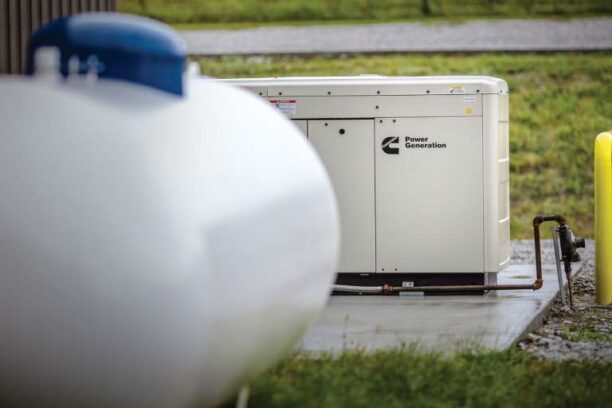
Backup generators fueled by propane are surging across the U.S. as customers chase resilience against grid instability and extreme weather, a trend echoed in recent industry reports highlighting growing propane-powered backup demand. But with increased usage comes increased risk: too often, delivery and service providers find themselves in the uncomfortable position of shouldering blame and liability when things go wrong. For small and mid-sized propane businesses juggling household deliveries and standby generator installs, setting smart service boundaries and documentation practices isn’t just operational discipline – it’s liability avoidance, customer protection, and bottom-line defense.
The Liability Challenge: Where Service Ends and Risk Begins
Propane marketers have long understood that liability isn’t just a legal concept; it’s an operational reality. Errors in installation, miscommunication about automatic delivery terms, or unclear generator service roles can transform a routine call into a costly claim. According to industry legal analyses, leaks, equipment failures, compliance gaps, and improper warnings are among the top liability risks in the propane business.
Generators elevate that risk. As an increasingly common use case, especially where grid reliability is strained, standby systems can be wrongly assumed to be part of a dealer’s service scope even when they fall outside it. Without clear service boundaries, customer expectations often exceed contractual reality.
For dispatchers, drivers, technicians, and safety managers alike, this translates into the imperative to not only deliver fuel safely, but to communicate precisely what services you provide and what you don’t.
Lift the Fog: Documentation as Your First Line of Defense
Documentation isn’t paperwork for its own sake – it’s proof. When disputes arise over delivery timing, service scope, or system malfunction, clearly defined and signed documentation creates an evidentiary boundary between your company’s obligations and customer responsibilities.
Consider these documentation essentials:
Clear Service Contracts – These should detail whether generator maintenance, setup, fueling sequence, or diagnostics are included. Specify that fueling alone does not imply inspection or troubleshooting of the generator’s mechanical/electrical systems.
Automatic Delivery Agreements – These should outline customer consumption thresholds, delivery windows, and a customer affirmation of responsibility for supply forecasts and access. Studies of customer service complaints show that ambiguity around auto-delivery expectations is a frequent source of discord.
Work Order Logs & Acknowledgements – These should be signed at each visit that note customer instructions, site conditions, and any issues observed (even if unrelated to propane). If a customer insists that a technician check a generator function unrelated to propane service, documentation of refusal or referral can matter.
Customer Safety Briefs – These should be signed by customers when first enrolling in backup generator service plans. Make clear that generator performance issues should be addressed by a licensed electrician or the generator manufacturer.
This documentation strategy isn’t just a shield, it’s a revenue opportunity. By clarifying what’s not covered, you can sell the appropriate add-on service (e.g., annual generator inspection by a certified tech) that otherwise would’ve been assumed.
Training, Communication & Compliance: Strengthening Internal and External Understanding
Avoiding misattribution of blame starts internally. Training feeds confidence and consistency across dispatchers, drivers, and techs:
• Empower dispatchers to answer “scope of service” questions with standardized language drawn from your contracts.
• Equip drivers/technicians with scripts and checklists to reinforce service boundaries at the job site.
• Create customer-facing materials that explain in plain language what the delivery/troubleshooting includes.
From a compliance standpoint, be sure to stay updated with evolving codes and safety frameworks from PERC and the NPGA, including safety culture programs that help propane marketers assess and upgrade their internal practices.
Actionable Takeaways
Standardize Service Agreements – Include explicit generator service boundaries; use plain language to reduce misinterpretation.
Signed Documentation – Capture acknowledgements at every stage including auto-delivery terms, job site observations, and customer instructions.
Train Your Team – Institute regular refreshers on customer communication around scope and safety boundaries.
Review Compliance Resources – Use PERC/NPGA safety management frameworks and legal memos (e.g., container law updates) as part of your risk management playbook.
Sell Clarity – When customers ask for full generator servicing beyond fuel delivery, convert that into a clearly quoted service package rather than an assumed inclusion.
What’s Ahead
As reliance on propane-fueled standby systems grows with grid reliability concerns, so too will customer expectations and, unfortunately, disputes over service scope. For propane businesses focused on operational excellence and safety culture, the best defense isn’t avoidance, it’s proactive clarity. By codifying what you do and don’t do, equipping your team to communicate that consistently, and backing it up with signed documentation, you will safeguard your business and strengthen customer trust – a win-win in an era when reliability and resilience are top of mind.