Washington State Tightens Carbon Caps for Propane Suppliers
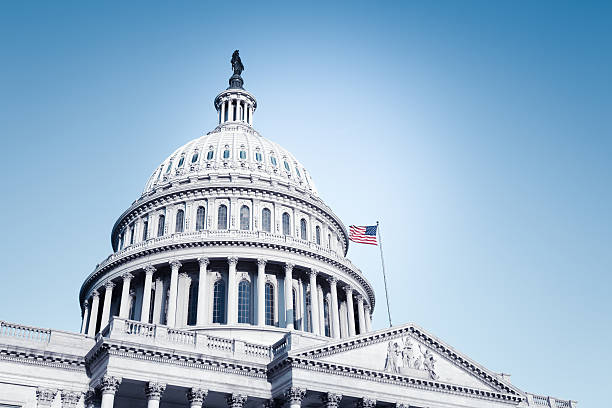
New two‑tiered cap lowers emissions threshold to 500 metric tons CO₂e, reshaping eligibility for state contracts.
On April 2, 2026, Governor Jay Inslee signed House Bill 2215, revamping Washington’s Cap‑and‑Invest program with a two‑tiered carbon‑cap system. Under the new framework, propane suppliers that emit more than 500 metric tons of CO₂e (roughly 87,000 gallons of propane) will face stricter reporting and compliance requirements on an annual basis, while smaller operators remain under a higher threshold. The legislation, crafted with input from the Pacific Propane Gas Association, directly impacts the pool of vendors eligible for lucrative state procurement contracts.
The shift reflects Washington’s aggressive climate agenda, aiming to curb greenhouse‑gas emissions while still ensuring reliable energy access. For many regional distributors, the lowered cap means re‑evaluating fleet composition, fuel sourcing, and operational efficiency to stay below the new limit. Companies that previously qualified for state contracts may now need to invest in lower‑emission technologies or purchase carbon offsets to meet the stricter standard.
Industry leaders are already weighing the financial implications of this measure. “The new threshold forces us to look at our carbon footprint more closely than ever,” said Maria Lopez, senior VP of operations at Evergreen Propane. “We’re accelerating our transition to ultra‑low‑sulfur propane blends and exploring renewable‑natural‑gas blends to stay competitive.”
Propane businesses seeking to navigate the regulatory maze are increasingly turning to compliance tools such as PropaneSafetyPro, which offers user-friendly, practical templates for emissions reporting and risk‑management documentation.
Business Implications for Washington State Retailers
• Review your annual emissions data now to determine if you fall above or below the 500‑ton threshold before contract bids close.
• Consider retrofitting fleets with higher‑efficiency engines or alternative‑fuel vehicles to reduce CO₂e output.
• Explore carbon‑offset purchases or participation in Washington’s emerging renewable‑propane programs to maintain contract eligibility.
• Update compliance documentation using platforms like PropaneSafetyPro to streamline reporting and avoid penalties.