Underground Tank Risks & Revenue Protection: What Your Service Techs Can’t Ignore
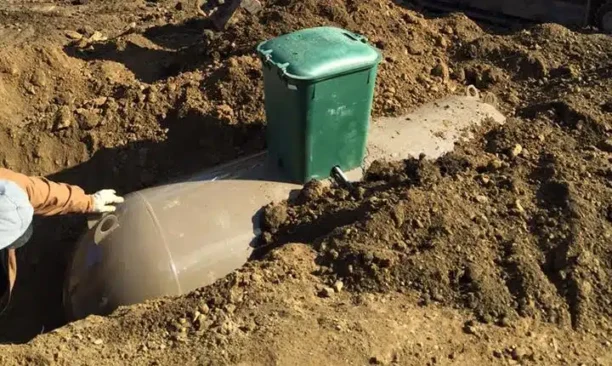
Recent propane industry safety bulletins underscore a sharp focus within the sector on underground tank risks – from improper installation to inadequate leak mitigation and emergency response – and what that means for your service teams today. With millions of underground propane tanks in service, multiplying operational complexity and liability exposure, delivery professionals can no longer treat buried systems as “out of sight, out of mind.” The propane industry’s growing emphasis on advanced training and documented procedures isn’t just about compliance; it’s about protecting customers, guarding reputation, and ultimately shielding one’s bottom line from costly callbacks, repairs, or legal claims.
Hidden Hazards Below Grade
Underground tanks, when correctly specified, installed, and maintained, can be expected to deliver reliable, long-term service. However, the risks beneath the surface are real. Corrosion, improper cathodic protection, poor backfill, and damage from excavation can all weaken a tank or piping system over time if not proactively addressed. Industry articles from trusted safety outlets note that improper installation and leak response training directly contribute to field incidents and near-misses, particularly when technicians lack familiarity with soil conditions and protective measures like sacrificial anodes.
Additionally, buried systems pose unique leak-detection challenges because propane is heavier than air; leaks can accumulate in low-lying soils, trenches, basements, or crawl spaces before becoming detectable above ground, increasing the danger of ignition or asphyxiation if not quickly discovered.
For service techs and safety managers alike, recognizing these subtleties elevates not only safety performance but customer trust, a critical differentiator when field teams are the company’s most visible ambassadors.
Training Is More Than a Checklist
Industry training isn’t just about checking boxes for certifications or regulatory compliance. It’s about equipping your workforce to anticipate and mitigate underground tank risks before they escalate. Propane trainers and risk specialists stress that installation competence, from meticulous backfilling to cathodic protection activation, should be verified in the field, with documented checklists that supervisors and techs can reference during every install and service call.
Leak mitigation training must extend beyond theory, too. Techs should routinely practice using portable gas detectors, leak-confirmation protocols, and customer communication strategies that reinforce safety without alarming homeowners. Clear, consistent communication reduces resistance to necessary procedures and reinforces that safety is a value proposition, not a nuisance.
Dispatchers and schedulers can support this by allocating time for proper safety checks and not compressing service windows so tightly that crews feel pressured to cut corners. Safety investments that reduce callbacks and field failures pay off quickly in preserved margins and strengthened community reputation.
Bridging Safety With Business Value
Operational safety and business performance are intertwined. A tech misjudging the severity of an underground tank issue can trigger a service call that turns into a third-party liability or expensive repair. This isn’t just a safety problem; it can affect insurance premiums, legal exposure, and customer retention. Documenting every step of an underground tank install or inspection creates a defensible service record that protects your company in the unlikely event of an incident.
For CFOs and risk managers, the message is clear: invest in structured, repeatable training, invest in tools that help crews spot subtle risks, and invest in processes that build confidence in every field interaction. Doing so enhances operational resilience and can reduce costly insurance claims or litigation exposure in a tightening regulatory and liability landscape.
Actionable Takeaways for Retailers
• Standardize Underground Tank Training: Develop and document a workflow for installs and inspections that covers cathodic protection, soil assessment, and leak-detection techniques.
• Equip Field Teams: Provide calibrated portable gas detectors and ensure techs know how to use them effectively around buried systems.
• Strengthen Communication Protocols: Train techs to clearly explain tank safety measures to customers, thereby building trust and cooperation.
• Document Every Service Interaction: Maintain detailed records of inspections, tests, and corrective actions tied to underground tanks to support risk management and compliance.
• Align Dispatch with Safety Goals: Avoid overly aggressive scheduling that limits time for thorough safety checks and reinforces compliance culture.
Safety isn’t a static goal; it’s a living discipline that serves to protect your people, your customers, and your profitability. As the industry continues emphasizing risk management and training, propane companies that lead on underground tank competence will benefit from fewer liability headaches, stronger customer trust, and more dependable operations year-round.