2026 Top Propane Retailers: National retailer ranking
2026 Top Propane Retailers: Who’s Leading the Market?
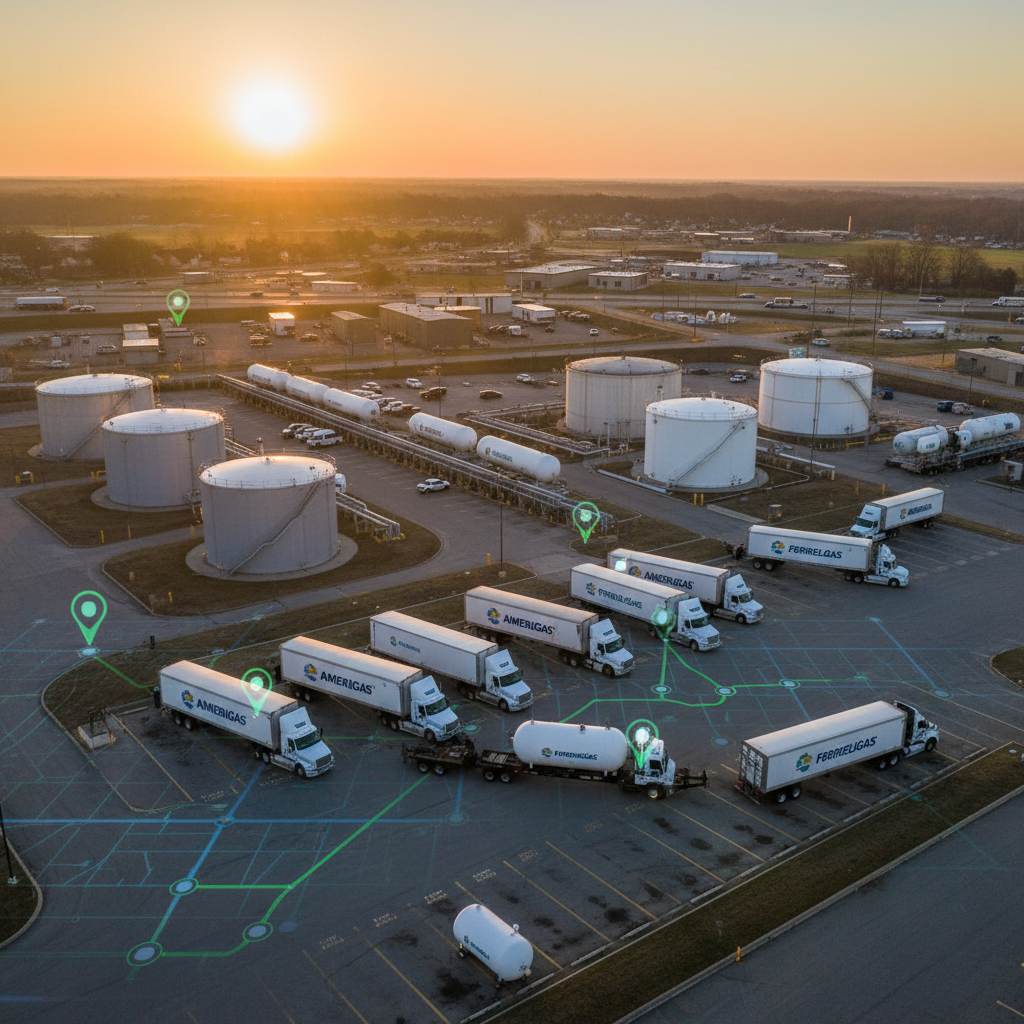
The latest LP Gas ranking, released on February 19, reveals the national hierarchy of propane retailers based on 2025 gallon‑sales volume. At the summit sits AmeriGas, edging out Ferrellgas by a modest 2 % margin and confirming its position as the industry’s largest single‑store network. Close behind are regional powerhouses Suburban Propane and Superior Energy Services, each posting double‑digit growth rates fueled by aggressive expansion into the Sun Belt and Midwest.
What sets the leaders apart isn’t just scale—it’s the strategic mix of wholesale contracts, automated delivery routing, and diversified service offerings. AmeriGas, for example, leveraged its proprietary logistics platform to shave delivery times by 12 % while maintaining price stability amid volatile feedstock costs. Ferrellgas doubled its residential “smart‑tank” installations, a move that boosted recurring revenue and gave customers real‑time usage data via a mobile app. Meanwhile, Suburban Propane’s acquisition of several smaller distributors in Texas and Oklahoma added roughly 1.2 million gallons to its annual volume, underscoring the continued relevance of M&A in a fragmented market.
For the broader propane community, the ranking highlights a shifting competitive landscape. Smaller operators can no longer rely solely on local brand loyalty; they must adopt the same technology‑driven efficiencies that the top five chains use daily. Tools like Tankspotter.com—which streamlines dispatching, routing, and field‑operations scheduling—are becoming essential for staying on the right side of cost and service benchmarks.
Looking ahead, analysts expect the 2026 rankings to be shaped by three forces: tightening margins on propane feedstock, the accelerating rollout of renewable natural gas (RNG) blends, and the growing demand for “propane‑as‑a‑service” models that bundle delivery, maintenance, and analytics. Retailers that can blend price competitiveness with digital convenience will likely climb the next year’s list, while those that lag on technology risk slipping into the middle tier.