Post-Merger Integration in Multi-Fuel Operations

How Propane Companies Can Capture Value After Acquisition
Mergers and acquisitions remain a primary growth strategy across the propane and fuel distribution sector. Many propane marketers are expanding into multi-fuel operations that include heating oil, diesel, gasoline, or alternative fuels. While acquisitions can expand market reach and product offerings, the real challenge begins after the deal closes.
Post-merger integration determines whether an acquisition creates long-term value or operational friction. Combining routing systems, safety programs, fleet operations, and customer databases requires disciplined execution. For propane business owners, the goal is straightforward: improve efficiency, expand service capability, and protect margins while maintaining compliance and safety standards.
Why Multi-Fuel Integration Is Increasing
The energy distribution market is becoming more diversified. Companies are pursuing acquisitions to broaden product portfolios, stabilize revenue streams, and increase route density. Multi-fuel operations also allow companies to serve commercial and agricultural customers with a wider range of energy solutions.
However, these benefits only materialize when operations are integrated effectively. Many acquisitions fail to meet expected financial targets because operational systems remain fragmented long after the deal closes. Successful integration requires attention to three core areas: operational efficiency, organizational alignment, and technology consolidation.
Operational Integration: Combining Delivery and Supply Chains
The most immediate opportunity following an acquisition lies in operational efficiencies.
When propane, heating oil, and diesel deliveries operate under separate dispatch systems, companies often miss opportunities for route consolidation and fleet efficiency. Integrating dispatch and logistics platforms allows companies to schedule deliveries across multiple fuels within the same service territory. This can reduce mileage, improve driver productivity, and lower fuel and maintenance costs.
Inventory management also becomes more effective when supply data is centralized. Visibility across multiple fuel types allows purchasing teams to forecast demand more accurately and avoid both shortages and unnecessary storage costs.
Fleet management should also be standardized across the organization. Maintenance schedules, telematics systems, and inspection procedures benefit from consistent policies. Companies that centralize fleet oversight often see improvements in equipment reliability and operating cost control.
Cultural Alignment: The Often-Overlooked Risk
Operational integration is only part of the challenge. Cultural alignment frequently determines whether integration succeeds or stalls. Acquired companies often operate with different management structures, decision-making processes, and service philosophies. Without clear leadership alignment, these differences can create internal resistance or operational confusion. Leadership teams must establish a clear integration strategy early in the process.
Transparent communication about operational changes, expectations, and long-term goals helps maintain employee engagement and retain key personnel. Companies that invest time in cultural alignment typically experience smoother operational transitions and stronger long-term performance.
Technology Consolidation: Creating a Unified Operating Platform
Technology fragmentation is one of the most common obstacles following a merger. Dispatch platforms, accounting systems, customer databases, and safety documentation tools often operate independently within acquired businesses.
Successful integration requires consolidation into a unified technology framework. Enterprise resource planning (ERP) and customer management systems should eventually operate from a single platform to ensure consistent data across the organization.
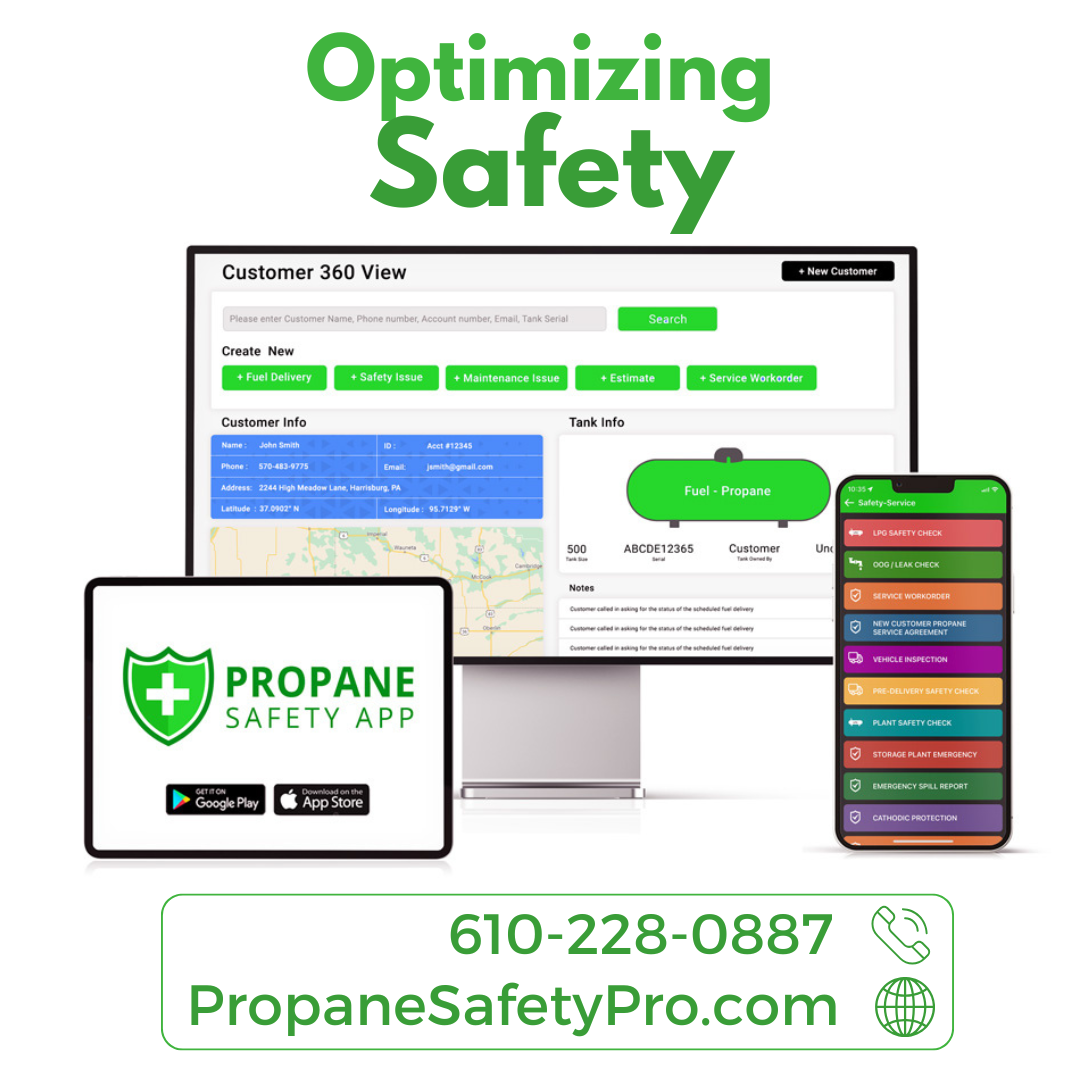
For companies integrating multiple fleets and storage assets, digital documentation can help standardize safety procedures and reduce administrative overhead. These systems also create verifiable records that support regulatory compliance and insurance documentation requirements. Technology integration should focus on simplifying operations, not creating additional complexity.
Risk Management and Compliance
Mergers also introduce regulatory and compliance considerations. Propane transportation and cargo tank operations remain governed by the Hazardous Materials Regulations administered by PHMSA, while driver qualification standards fall under FMCSA oversight. Facility safety and employee protection requirements remain subject to OSHA standards, and LP-Gas system installation and operations must comply with NFPA 58.
When two companies merge, inconsistencies in training records, inspection documentation, or safety procedures can create compliance exposure. Standardizing safety programs and documentation processes early in the integration phase reduces risk and improves operational oversight. Digital inspection platforms and centralized safety records can help ensure consistency across multiple operating locations.
Building a Stronger Operating Platform
When executed effectively, post-merger integration creates meaningful competitive advantages. Companies can improve route density, expand service offerings, and operate with greater efficiency across larger territories.
The propane companies that benefit most from acquisitions are those that treat integration as a structured operational project rather than a financial formality. Clear leadership, disciplined technology consolidation, and consistent safety management are essential components.
In a consolidating energy market, acquisitions will continue to shape the propane industry. The companies that successfully master post-merger integration will be the ones that convert growth into sustainable operational strength.