Post-Merger Integration: Best Practices for Multi-Fuel Operations

The propane industry continues to experience consolidation as companies expand into multi-fuel distribution. Many propane marketers are acquiring heating oil, diesel, or alternative fuel businesses to diversify revenue streams and strengthen regional market positions.
While acquisitions often generate growth opportunities, the true challenge begins after the deal closes. Post-merger integration (PMI) determines whether the combined company achieves operational efficiencies or struggles with overlapping systems, inconsistent processes, and cultural friction. For propane business owners and managers, successful integration requires careful planning across operations, workforce management, and technology infrastructure.
Why Multi-Fuel Acquisitions Are Increasing
Mergers and acquisitions have become a common growth strategy across the fuel distribution sector. Companies often pursue acquisitions to expand their geographic footprint, broaden product offerings, or gain access to new customer segments.
Multi-fuel operations can also create operational advantages. A company that delivers propane, heating oil, and diesel may achieve better fleet utilization, stronger supplier relationships, and improved customer retention through bundled services. However, capturing these benefits requires disciplined integration. Without careful planning, combining two fuel operations can create inefficiencies rather than eliminating them.
Capturing Operational Synergies
Operational integration is often the most immediate priority after a merger. Combining delivery fleets, dispatch systems, and supply chains can significantly reduce operating costs if handled correctly.
One of the first opportunities typically involves route optimization. When dispatch systems are integrated, delivery routes for multiple fuels can be coordinated more efficiently, reducing unnecessary mileage and driver hours.
Inventory and supply chain management also benefit from consolidation. A unified system for tracking propane, heating oil, and other fuels allows operations managers to improve forecasting, optimize purchasing, and maintain more consistent supply availability across service territories.
Fleet management is another area where integration can deliver savings. Standardizing maintenance procedures, vehicle specifications, and telematics systems across the combined fleet helps reduce operational complexity and maintenance costs.
Addressing Cultural Integration
Operational changes alone do not guarantee successful integration. Workforce alignment often plays an equally important role. Companies entering a merger may bring different workplace cultures, communication styles, and operational procedures to the table. If these differences are not addressed early on, they can create friction between teams and reduce productivity.
Leadership alignment is critical during the early stages of integration. Clear communication about company goals, operational expectations, and organizational structure helps employees understand how the combined company will operate.
Retaining experienced technicians, drivers, and operations personnel is especially important in the propane industry, where technical knowledge and safety experience are essential.
Technology Integration as the Operational Backbone
Technology consolidation is another key component of successful post-merger integration. Many acquisitions involve companies operating with different dispatch platforms, accounting systems, or customer management software. Integrating these systems into a unified platform provides a single source of operational data across the combined business. Unified ERP and CRM systems improve financial visibility, customer service coordination, and reporting.
Asset management systems can also play a valuable role. Digital platforms such as Tank Spotter allow propane companies to document tank installations, inspections, and asset locations in real-time through mobile applications with photo documentation and geolocation. Centralized asset records can greatly simplify equipment tracking and improve operational oversight across newly combined service territories.
Safety Management During Integration
Safety compliance should remain a top priority during any operational transition. Mergers often involve combining safety procedures, inspection documentation, and training programs from multiple organizations. Standardizing safety processes across the combined company helps to ensure that technicians follow consistent procedures regardless of which legacy organization they came from.
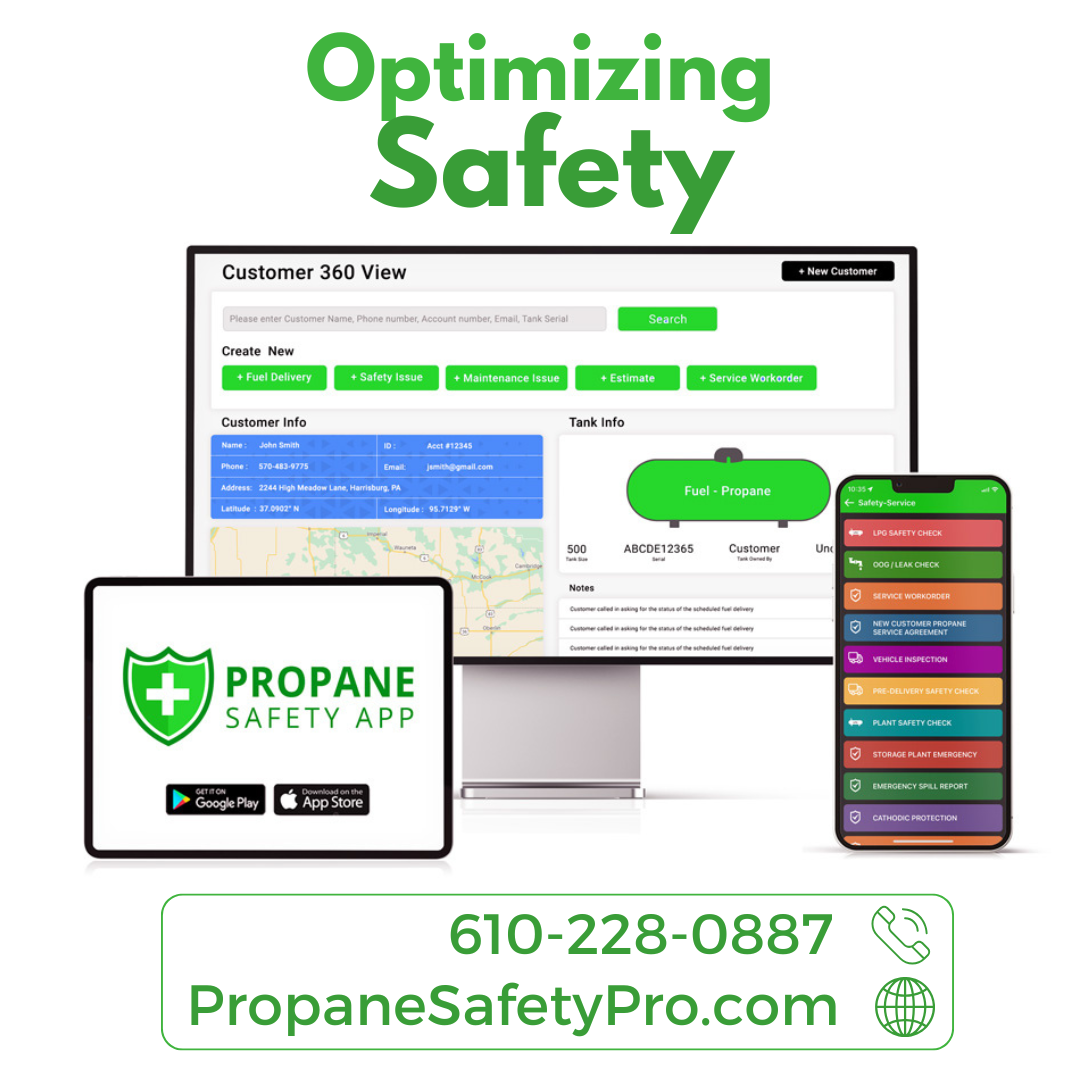
Digital safety platforms can assist in maintaining consistent documentation across field teams. Solutions such as Propane Safety Pro allow companies to record inspections, safety checks, and operational activities through a mobile application, creating verifiable records that support compliance reviews and internal safety management. For propane companies managing large fleets and thousands of tanks, centralized safety documentation does much to help maintain strong oversight while reducing one’s administrative workload.
Building a Stronger Multi-Fuel Organization
When managed effectively, post-merger integration can create meaningful operational advantages. Combined delivery fleets, broader product offerings, and shared infrastructure can improve efficiency while expanding service capabilities. However, successful integration requires more than financial planning. Operational discipline, workforce alignment, technology consolidation, and strong safety management all play critical roles.
Propane companies that approach integration strategically and strive to support their operations with practical tools such as the Tank Spotter app for asset management and the Propane Safety Pro for safety documentation are better positioned to capture the full value of multi-fuel acquisitions while maintaining excellent operational reliability and safety standards.
Post-Merger Integration: Best Practices for Multi-Fuel Operations