
Court Rules in Montgomery County Gas Ban Challenge
Decision creates a clash with Ninth Circuit precedent and puts propane industry on notice
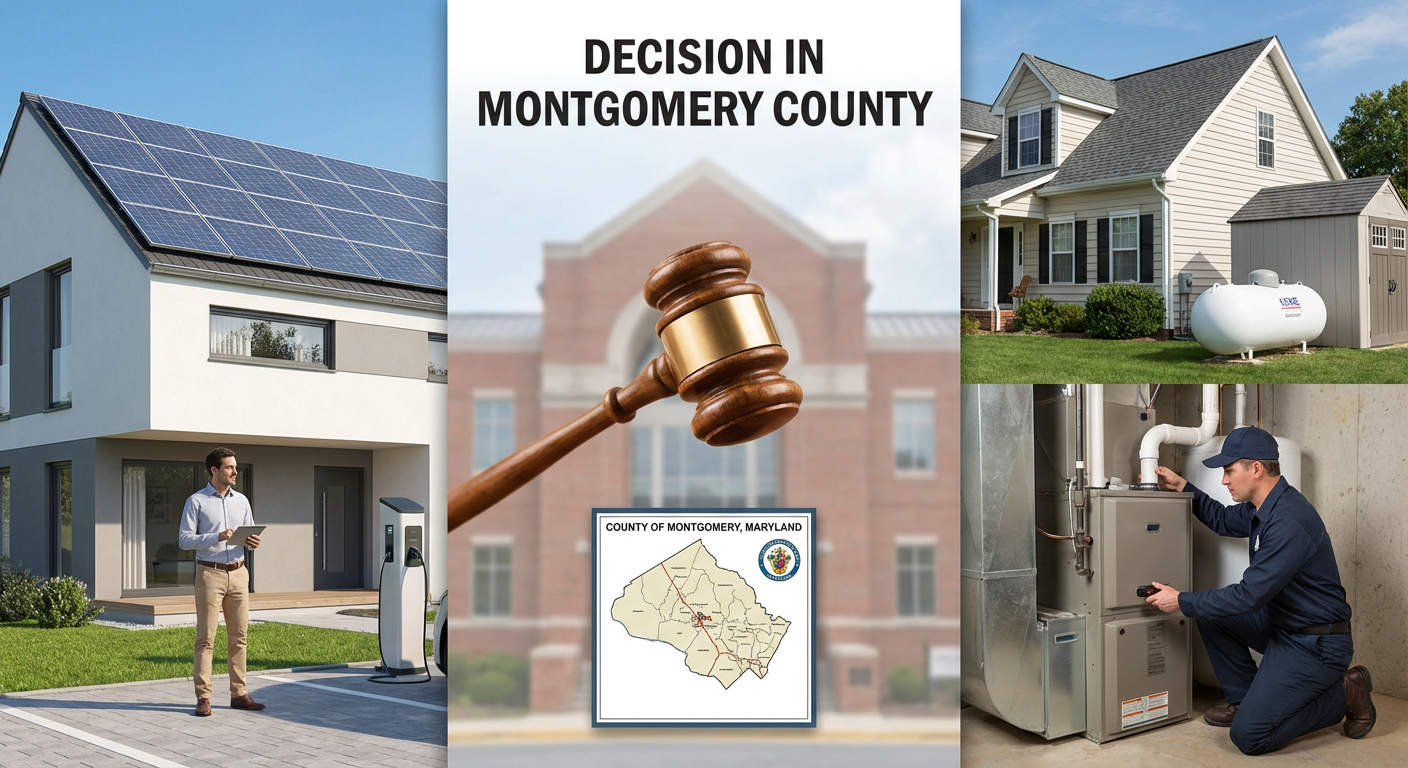
On March 26, 2026, a federal district court in Maryland ruled that Montgomery County’s ban on gas‑fired appliances in new construction does not run afoul of the Energy Policy and Conservation Act (EPCA). The judge concluded that the EPCA does not preempt local governments from imposing stricter energy‑efficiency standards, a finding that directly contradicts the Ninth Circuit’s earlier decision in Berkeley v. California, which held that the same federal law blocks such bans.
The Montgomery ruling is significant because it validates a growing trend among municipalities to require all‑electric buildings as part of climate‑action plans. While the decision applies only to new construction, the ripple effect could reach retrofits, commercial fleets, and multifamily housing—areas where propane has traditionally been a cost‑effective heating and cooking fuel. Industry groups, including the National Propane Gas Association, have called the decision “a pivotal moment” that forces stakeholders to reassess compliance strategies and lobby efforts.
Legal analysts warn that the split between district courts and the Ninth Circuit could invite an appeal to the U.S. Supreme Court, potentially setting a national precedent. In the meantime, propane distributors and retailers must navigate a patchwork of local regulations that may limit appliance sales and affect demand forecasts. Companies are already adjusting supply chains, exploring hybrid solutions, and increasing outreach to municipal planners to demonstrate propane’s low‑carbon credentials.
What It Means for Your Propane Business
- Review local ordinances in your service area; jurisdictions adopting all‑electric bans may require you to shift focus to retrofits or commercial contracts.
- Strengthen your regulatory monitoring and advocacy—consider partnering with PropaneSafetyPro.com for up‑to‑date compliance resources and policy briefings.
- Educate customers on propane’s role in meeting emissions goals, emphasizing low‑carbon blends and modern, high‑efficiency equipment.
- Adjust inventory planning to account for potential dips in new‑construction appliance sales while exploring alternative revenue streams such as fuel‑cell or hybrid solutions.
Image suggestion: A split‑screen illustration showing a modern, all‑electric residential building on one side and a traditional propane‑heated home on the other, with a gavel overlay to symbolize the court ruling.