A Fatal Blast in Maryland – 5 Safety Lessons to Act On Now
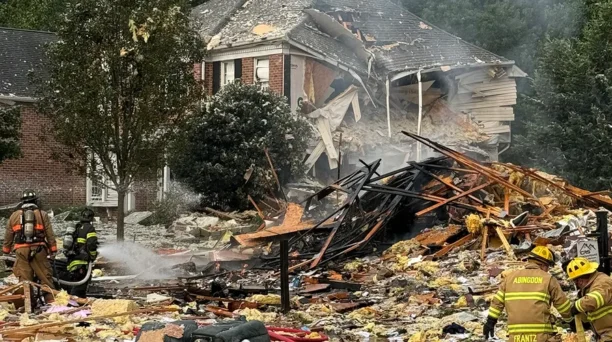
A fatal home explosion in Chestertown, Maryland, is under investigation, and while the cause has not yet been officially determined, early reports indicate a gas-related event that destroyed the residence and claimed a life. For propane marketers and delivery teams, tragedies like this are more than headlines. They are stark reminders that even one missed step in installation, leak response, documentation, or customer education can carry irreversible consequences.
As peak-demand months strain schedules and staffing, now is the time for every delivery operation to pause, review protocols, and reinforce a culture where safety margins are never minimized. To assist with that goal, here are five key lessons all propane retailers can glean from this unfortunate event.
1. Leak Response Is a Required Procedure – Not a Suggestion
Too often, incident investigations reveal a breakdown in communication after a customer reports a gas odor. The National Fire Protection Association’s NFPA 58 code is clear: any reported leak requires immediate, documented action. That includes shutting off the gas supply (if safe to do so), advising occupants to leave the premises, and conducting a full leak check before returning a system to service.
For dispatchers, this means scripting calls and logging details precisely. For drivers and service technicians, it means resisting shortcuts when the route is behind schedule. If your team cannot confirm that a complete leak check was performed and documented, then operationally, it did not happen.
Take the time to carefully review whether your leak response checklist is integrated into your dispatch software and whether managers routinely audit those entries. Those key steps must not be overlooked.
2. Installation Details Matter More Than Speed
Investigators in explosion cases frequently examine regulators, appliance connectors, and line integrity. Even minor installation deviations, improper regulator vent orientation, unsecured piping, and outdated connectors can escalate under the right conditions.
The Propane Education & Research Council (PERC) continues to emphasize proper system inspection and regulator replacement intervals in its safety materials.
Experienced service managers should confirm:
• Are second-stage regulators within the recommended service life?
• Are vent screens intact and unobstructed?
• Are appliance connectors compliant and corrosion-free?
A 15-minute reinspection today can prevent catastrophic liability tomorrow. From a CFO’s perspective, proactive maintenance programs cost far less than litigation, regulatory fines, or brand damage.
3. Customer Education Is a Risk-Control Tool
Homeowners often misinterpret gas odors, ignore pilot issues, or attempt DIY fixes.
Every delivery is a touchpoint to reinforce basic safety messaging. PERC’s consumer safety guidance recommends reminding customers to:
• Recognize the distinct propane odor.
• Leave the building immediately if gas is suspected.
• Avoid operating switches or phones inside.
• Call their propane supplier from a safe location.
Drivers are not just fuel providers; they are field educators. Including printed or digital safety reminders during deliveries, particularly after system modifications or tank installations, strengthens both safety outcomes and customer trust.
Marketing teams can also position safety communications as a value-added service rather than a compliance obligation. Proactive messaging differentiates responsible suppliers in competitive markets.
4. Documentation Protects Lives and Businesses
In any fatal incident, documentation becomes central. Investigators will ask: When was the last delivery? Was a leak reported? Were pressure tests performed? Were employees properly trained?
Owners should verify that:
• Training records are current and aligned with state requirements.
• Leak checks are digitally time-stamped.
0Tank installations include photographic documentation.
• Safety meetings are documented and signed.
Insurance carriers increasingly examine safety management systems when underwriting policies. Strong documentation can stabilize premiums and reduce exposure.
5. Safety Culture Must Be Visible, Not Assumed
Publicly traded firms and family-owned businesses alike face the same reality: safety culture cannot be assumed because “we’ve always done it this way.” It must be visible in training budgets, route planning, supervisor ride-alongs, and disciplinary consistency.
If productivity incentives inadvertently pressure drivers to skip steps, leadership must recalibrate. Propane remains one of the cleanest, most efficient fuels available, but its safe use depends on disciplined systems.
Proactive Steps for Propane Operators
• Conduct a 30-day internal audit of leak response documentation and retrain any gaps immediately.
• Review regulator age, vent orientation, and appliance connectors on high-risk accounts.
• Issue a seasonal safety communication to all customers, reinforcing leak procedures.
• Schedule a mandatory safety stand-down meeting for drivers and service techs this month.
• Confirm that insurance carriers recognize and credit your documented safety programs.
The Chestertown tragedy is still under investigation, and conclusions will come later. But waiting for final reports before reviewing your own procedures misses the point. The most resilient propane businesses treat every incident – anywhere – as a prompt for self-evaluation. A one-hour safety review this week could prevent a lifetime of regret. Recommit to disciplined installation, uncompromising leak response, and visible leadership. Safety is not a cost center; it is the foundation of long-term operational strength.