October 10, 2025
Renewable Propane and the Future of Energy
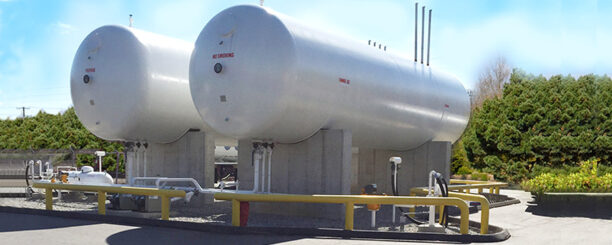
The propane industry has long been recognized for its role in providing dependable, efficient, and cleaner energy compared to many traditional fuels. Now, a new development, renewable propane, is beginning to shape conversations about the future of energy production and sustainability. As energy markets evolve, more propane companies are exploring how renewable propane could fit into their long-term strategies. Investing in this next-generation fuel comes with great promise, but also with real challenges that every business owner should consider before taking the leap.
Renewable propane, sometimes called bio-propane, is chemically identical to conventional propane but produced from renewable feedstocks such as plant oils, animal fats, and waste materials. This makes it a low-carbon alternative that can be used in the same equipment and infrastructure that is already in place. For companies that depend on propane’s versatility and reliability, renewable propane offers a potential path to meet growing customer demand for cleaner energy without overhauling existing systems.
The Promise of Renewable Propane
Renewable propane’s biggest advantage is that it maintains all the qualities that make propane reliable, clean burning, efficient, and easy to store while offering an even smaller environmental footprint. Because it’s made from renewable resources, it can help reduce greenhouse gas emissions and support state and federal energy goals aimed at reducing dependence on fossil fuels. For propane companies, this creates a strong opportunity to position themselves as part of the solution in the broader clean energy movement.
Another advantage is compatibility. Renewable propane can be blended with traditional propane without requiring changes to customer appliances, vehicles, or storage systems. This makes adoption simpler and less expensive than switching to entirely new fuels or technologies. For distributors and retailers, this means they can gradually introduce renewable propane into their supply mix while maintaining business continuity.
The Challenges of Production and Supply
Despite its potential, renewable propane is not yet widely available. The production process requires specialized facilities, and the feedstocks used, such as vegetable oils or waste fats, are also in demand for other renewable fuels. This competition raises costs and limits supply. As a result, renewable propane currently represents only a small fraction of the total propane production in the United States.
Distribution is another hurdle. While existing infrastructure can handle renewable propane, regional supply chains are still developing. Many areas do not yet have local production or access to renewable propane at scale, which can make it difficult for small or mid-sized companies to purchase it consistently or at competitive prices.
Balancing Cost and Demand
Cost remains one of the biggest challenges in adopting renewable propane. Production costs are higher than traditional propane, and those expenses are often passed down to end users. However, as more refineries and renewable energy plants begin to produce biofuels, prices are expected to decrease. For propane businesses, the key will be timing, deciding when to invest in renewable supply contracts and how to balance pricing for customers.
Despite the financial considerations, the growing interest from commercial, municipal, and agricultural sectors in cleaner energy options suggests that demand will continue to rise. Companies that begin exploring renewable propane early can position themselves as leaders in a future where sustainability influences purchasing decisions.
Business Implications
For propane companies, renewable propane presents both an opportunity and a challenge. On one hand, it offers a way to appeal to environmentally conscious customers and align with state-level sustainability goals. On the other hand, it requires forward planning, education, and investment. Businesses that take time now to understand renewable propane’s market potential, evaluate supply partnerships, and educate customers will be better prepared to adapt as the industry evolves.
Investing in renewable propane provides a timely opportunity for ensuring long-term relevance. As the world moves toward more sustainable energy sources, propane companies that innovate early will have a stronger voice in shaping the future of clean fuel. Renewable propane offers a bridge between today’s reliability and tomorrow’s cleaner energy, making it a strategic option worth serious consideration.