
June 16, 2026
Stable Supply Doesn’t Mean Stable Markets
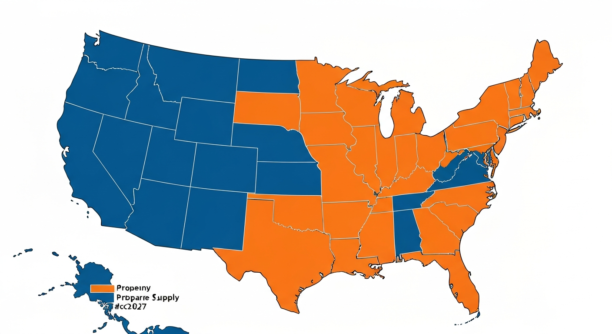
Why Local Propane Conditions Matter More Than National Inventory Headlines
National propane inventory reports often generate optimism across the industry. When storage levels are strong and supply forecasts remain favorable, it is easy to assume that marketers can expect a predictable business environment. However, experienced propane managers understand that national numbers rarely tell the entire story.
A healthy national supply picture does not guarantee stable pricing or consistent market conditions at the local level. For propane retailers, profitability is often determined not by what is happening nationally, but by what is happening within their specific region.
The Difference Between National Trends and Local Reality
Recent inventory reports have shown propane stocks remaining well above historical averages, creating confidence that the United States is entering future heating seasons from a position of strength. From a broad perspective, this is good news for the industry. However, propane markets remain highly regional.
Transportation constraints, infrastructure problems, and localized demand patterns can all create conditions that differ dramatically from the national outlook. A particular region may experience supply tightness and higher prices even while national inventories remain abundant. For propane marketers, this means that relying solely on national reports can create a false sense of security.
Supply Chains Are Only as Strong as Their Weakest Link
The propane industry depends on a complex network of production facilities, storage terminals, pipelines, rail systems, trucking fleets, and distribution centers. When any part of that network experiences disruption, local markets can feel the effects immediately. A refinery outage, transportation bottleneck, or severe weather event can restrict supply into a specific region. Even temporary disruptions may create pricing pressure that affects retailers and customers alike.
History has repeatedly demonstrated that regional challenges can emerge quickly, regardless of broader national supply conditions. Companies that monitor local infrastructure developments alongside national inventory reports are often better prepared to respond when disruptions occur.
Weather Still Drives Local Market Behavior
No factor influences propane demand more consistently than the weather. A colder-than-expected winter in one region can rapidly increase consumption and tighten supply, even while other parts of the country experience relatively mild conditions. Similarly, unexpected weather events can disrupt transportation networks and delay deliveries at critical times.
Because weather impacts vary significantly by region, propane marketers benefit from focusing on local and regional forecasts rather than relying solely on national outlooks. Understanding how weather patterns affect demand in a specific service area allows companies to make more informed purchasing decisions and manage inventory more effectively.
Purchasing Strategies Require Local Intelligence
Successful propane companies rarely build purchasing strategies around national headlines alone. Instead, they combine broader market analysis with detailed knowledge of local conditions. Strong relationships with suppliers, awareness of regional infrastructure developments, and an understanding of competitive market dynamics all contribute to better decision-making. Companies that actively monitor their local markets are often able to identify opportunities and risks before they become apparent to competitors. This proactive approach can help protect margins, improve inventory planning, and reduce exposure to unexpected price swings.
Margin Protection Starts With Better Information
Profitability in the propane industry is often influenced by factors outside a company’s direct control. Commodity prices, weather patterns, and transportation costs can all affect operating performance. What companies can control is the quality of the information they use to make decisions.
Managers who track regional market conditions closely are better positioned to adjust pricing strategies, secure supply agreements, and maintain service reliability when market conditions change. Accurate local intelligence allows businesses to react faster and make decisions with greater confidence. In many cases, the difference between a successful season and a challenging one comes down to how quickly a company recognizes changing market conditions.
Turning Market Awareness Into Competitive Advantage
Customers value consistency. They want reliable deliveries, fair pricing, and confidence that their supplier can meet demand when conditions become difficult. Propane marketers that understand local market dynamics are often better equipped to provide that stability. Their ability to anticipate disruptions, secure supply, and manage costs helps create a stronger customer experience and reinforces trust.
While national inventory reports remain important, they are only one piece of the puzzle. The companies that consistently outperform their competitors are often those that look beyond the headlines and focus on the realities of their own markets. In today’s propane industry, success depends not only on understanding where supply stands nationally, but also on recognizing what is happening on the roads, at the terminals, and in the communities where customers rely on propane every day.