
May 12, 2026
Global Demand Fuels Surge in U.S. Propane Exports
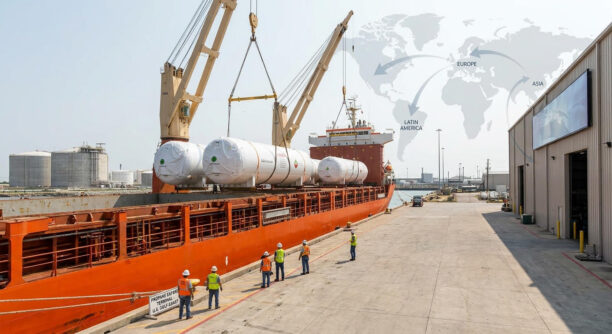
Rising overseas consumption is tightening domestic inventories and nudging prices higher.
U.S. propane exporters are feeling the heat as demand from Asia, Europe, and Latin America climbs sharply. According to a recent analysis by Mark Rachal of LP Gas Magazine, export volumes have jumped roughly 15 % year‑over‑year, driven by tighter energy supplies abroad and the competitive advantage of U.S. liquefied petroleum gas (LPG) pricing. The uptick is reshaping the domestic market: inventories that once sat comfortably above the 30‑day buffer are now edging closer to the 21‑day mark, putting upward pressure on spot prices for downstream distributors.
“We’re seeing a clear shift where overseas buyers are turning to U.S. propane as a reliable, cost‑effective alternative to Russian and Middle‑Eastern supplies,” Rachal said. “That’s translating into higher freight bookings and tighter domestic balances, especially as the winter season approaches.” The trend is most pronounced at Gulf Coast terminals, where loading rates have surged to record levels, and at Pacific ports where Asian buyers are securing longer‑term contracts to hedge against volatility.
For U.S. propane businesses, the expanding export market presents both opportunity and risk. On one hand, higher demand can boost margins for producers and transport companies that can scale operations. On the other, distributors must navigate tighter supply, potential price spikes, and the logistical challenges of meeting both domestic and international commitments. Retailers that integrate technology providing real‑time field data are better positioned to balance inventory, schedule deliveries, and maintain safety compliance amid the shifting landscape.
Looking ahead, analysts expect the export momentum to persist through the summer, with European winter‑fuel shortages and continued growth in Asian industrial demand acting as key drivers. Stakeholders should monitor freight rates, regulatory developments around LNG bunkering, and the evolving inventory dynamics at key U.S. terminals to stay ahead of the curve.