May 8, 2026
New Propane-Powered Trucks Hit the Market – A Smart Move for Delivery Fleets?
A new wave of propane autogas trucks is arriving, and it could give small propane delivery companies a practical way to cut costs, meet future emissions rules, and modernize their fleets without sacrificing reliability.
New Options Signal Momentum for Propane Autogas
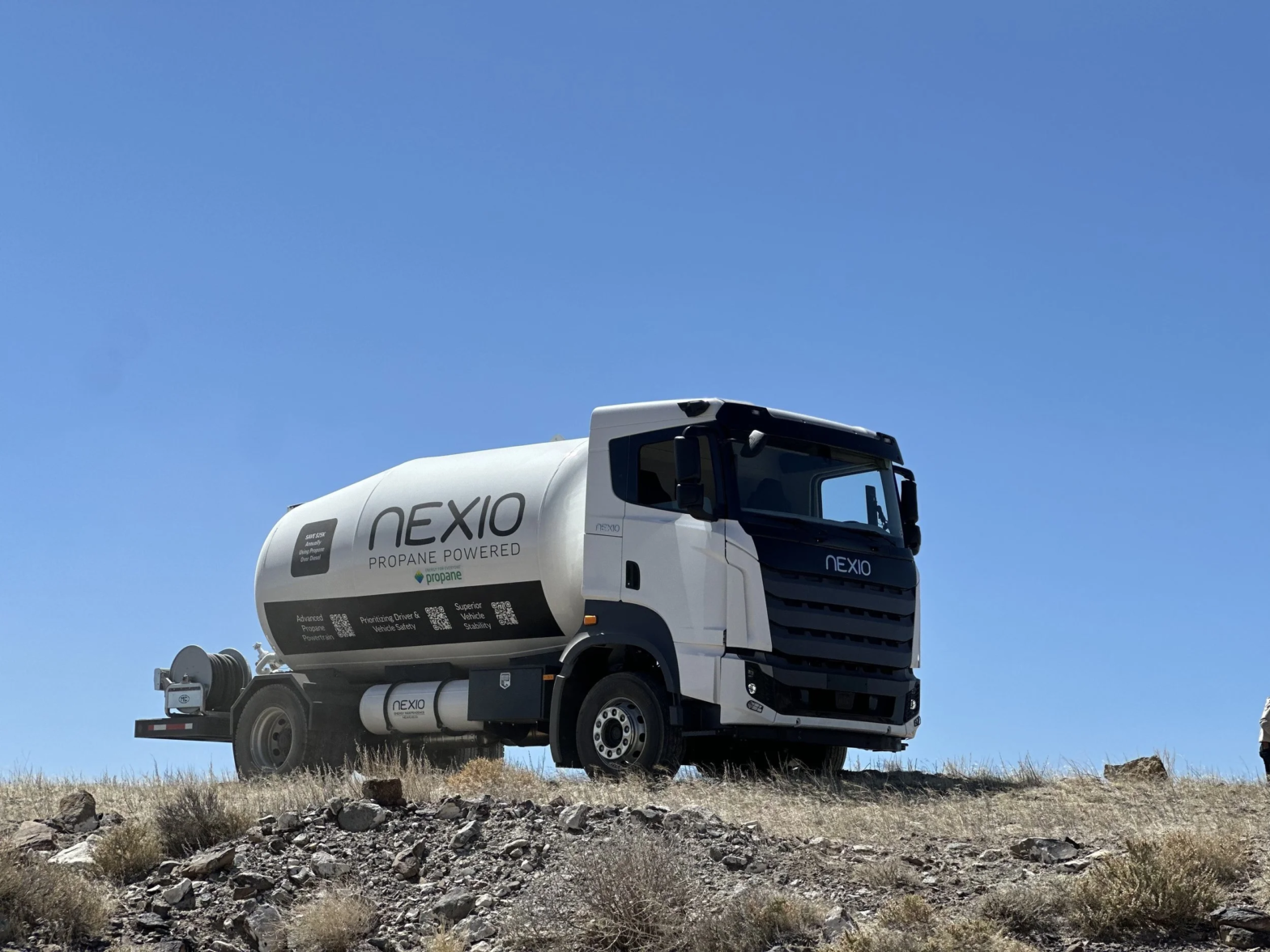
Truck manufacturers Blue Bird and Nexio are rolling out new propane-powered delivery vehicles, thereby expanding the available choices for commercial fleets beyond just diesel and electric. This isn’t propane’s first entry into the transportation sector; autogas has already proven itself in school bus fleets nationwide. What’s different now is the growing availability of propane-powered trucks designed specifically for commercial delivery and vocational use. For propane businesses, that opens the door to both operational savings and new revenue opportunities.
Why Propane Autogas Is Gaining Attention
As stricter emissions standards approach – particularly the EPA’s 2027 rules – fleet owners are weighing the true cost of sticking with diesel.
Propane autogas stands out as a prime fuel option for a few reasons:
• Lower total cost of ownership (TCO): Propane vehicles typically cost less to fuel and maintain than diesel equivalents.
• Cleaner emissions: Propane burns cleaner, helping fleets meet tightening environmental requirements without complex after-treatment systems.
• Proven reliability: Unlike some emerging technologies, propane systems are already widely used and supported.
For short-haul delivery operations, where routes are predictable and fueling can be centralized, propane becomes even more practical.
A Practical Fit for Delivery Operations
Propane delivery companies are in a unique position to benefit from this shift. Not only can they adopt autogas vehicles internally, but they can also promote propane as a desirable transportation fuel option to their customers.
Consider a typical local delivery fleet:
• Vehicles return to base daily, making on-site fueling simple.
• Routes are consistent, reducing range concerns.
• Fuel costs are a major operating expense.
Switching even part of a fleet to propane autogas can lead to immediate savings while simplifying compliance with future emissions rules.
Beyond Cost Savings: A Business Opportunity
Adopting propane autogas isn’t just about internal efficiency; it also holds great potential to grow and expand your business.
Propane companies can:
• Sell autogas to local fleets such as contractors, municipalities, and delivery services.
• Position themselves as energy partners, not just fuel suppliers.
• Demonstrate leadership by using propane vehicles in their own operations.
When customers see propane working in real-world delivery applications, it builds confidence and opens the door to new sales conversations.
What to Consider Before Making the Switch
Before transitioning, business owners should evaluate:
• Upfront vehicle costs vs. long-term savings
• Fueling infrastructure needs (on-site or partner locations)
• Driver training and maintenance requirements
• Fleet replacement timelines
For many small operators, a gradual rollout – starting with a few vehicles – can provide a clear picture of savings and performance before scaling up.
The Bottom Line
Propane autogas is no longer a niche solution – it’s becoming a practical, ready-to-use option for commercial fleets. With new truck models entering the market, small propane delivery companies have a timely opportunity to modernize operations, reduce expenses, and position themselves for the next generation of emissions standards.The question isn’t whether propane autogas works – it’s whether now is the right time for your business to take advantage of it and have it start working for you.