May 8, 2026
Propane Industry Calls for Clear Safety Rules on Electric Hazmat Trucks
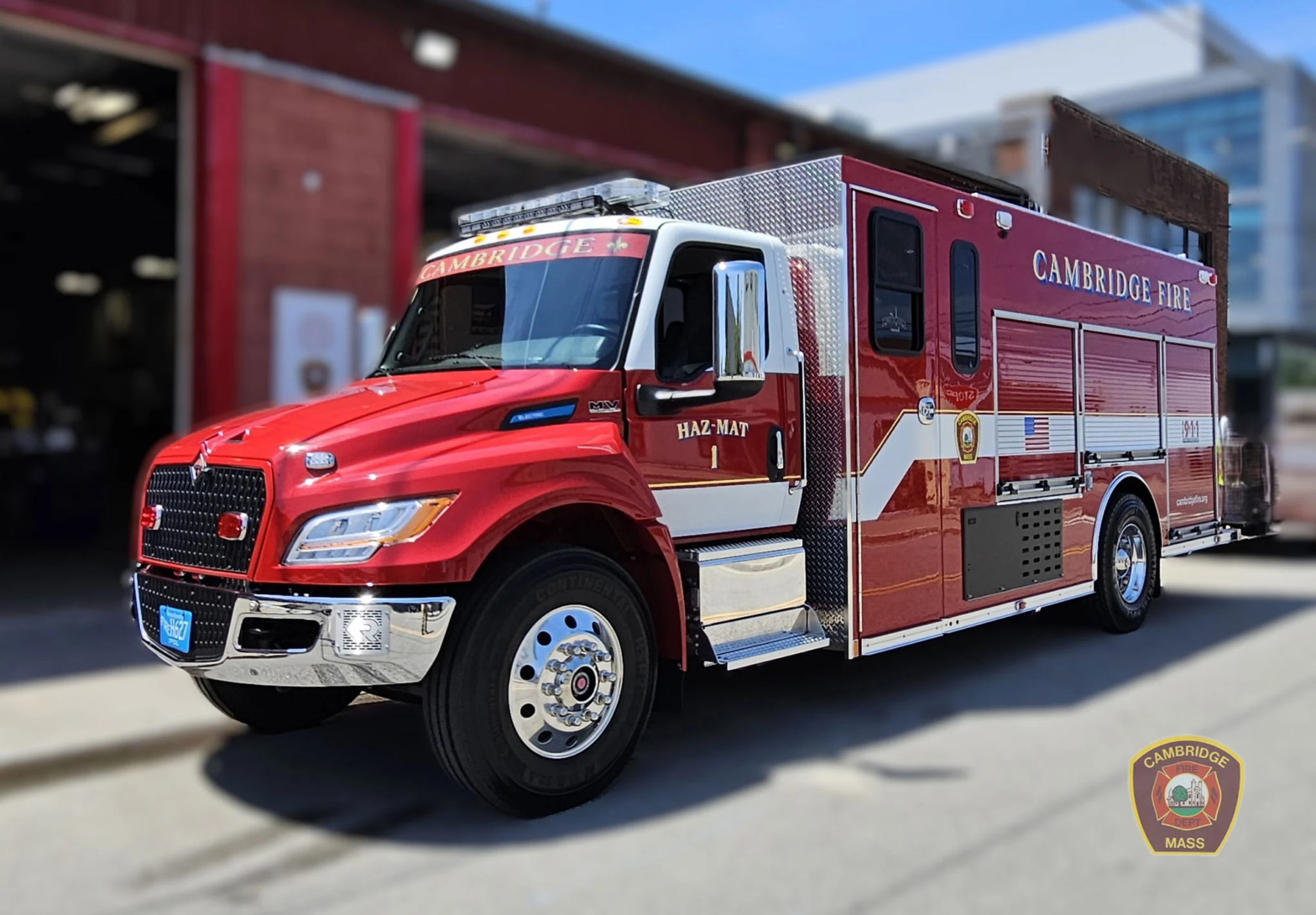
As electric trucks begin entering the hazardous materials space, propane leaders are pushing regulators to close safety gaps and ensure consistent standards across all fuel types.
A Turning Point for Hazmat Transportation
Federal regulators are taking a closer look at how electric trucks handle hazardous material transport. At the center of the discussion is the Pipeline and Hazardous Materials Safety Administration (PHMSA), which is evaluating whether current rules adequately cover battery-powered vehicles hauling dangerous goods.
In response, the Minnesota Propane Association has stepped forward with a clear message: the rules need to catch up with the technology. For propane businesses – who are already operating under strict hazmat requirements – this moment represents both a safety concern and a competitive issue.
Where the Concerns Are Coming From
Propane companies have spent decades working within well-defined safety frameworks. From vehicle standards to driver training and emergency response procedures, the industry follows detailed guidelines designed to minimize risk.
Electric trucks, however, introduce a different set of challenges. High-voltage battery systems, thermal runaway risks, and new emergency response considerations are not yet fully addressed in existing hazmat transport rules. Industry leaders are asking a straightforward question: should one type of vehicle face fewer or less-defined safety requirements when transporting similar hazardous loads?
Safety First – Across All Technologies
The push from the propane sector is not about slowing down electrification. Instead, it focuses on making sure all energy carriers meet equally rigorous safety expectations. Clear, consistent regulations would:
• Protect the public by addressing risks unique to each technology
• Support first responders with defined procedures for new vehicle types
• Prevent regulatory gaps that could lead to avoidable incidents
Organizations like the National Fire Protection Association (NFPA) have long set the benchmark for propane safety. Industry advocates argue that new technologies should meet similarly detailed and enforceable standards.
Why This Matters for Propane Businesses
For short-haul propane delivery companies, inconsistent regulations can create real-world challenges. If electric hazmat vehicles operate under less-defined rules, it could lead to:
• Uneven compliance costs between fleets using different technologies
• Insurance uncertainty, as risk profiles become harder to compare
• Public perception issues, especially if safety standards appear inconsistent
At the same time, propane businesses have a strong advantage: a long, proven track record of safe operations. That reputation becomes even more valuable in a changing regulatory environment.
What Business Owners Should Do Now
Staying informed and involved is key as these discussions evolve. Here are practical steps to take:
• Follow PHMSA updates on electric vehicle and hazmat regulations
• Engage with state associations to stay aligned with industry advocacy efforts
• Educate local officials on propane’s safety standards and operating requirements
• Review fleet policies to ensure readiness for any future regulatory changes
Even small operators can play a role by participating in industry discussions and supporting efforts to create fair, consistent rules within the transportation sector.
The Bottom Line
The transition to new vehicle technologies is accelerating, but safety frameworks must keep pace. For propane companies, the priority is clear: consistent, well-defined rules that apply to every vehicle transporting hazardous materials. By advocating for balanced regulations and staying involved in the conversation, propane businesses can help shape a safer and more level playing field – while reinforcing the industry’s long-standing commitment to safety and reliability.