May 1, 2026
Seven Lives Lost in Clinton County, PA Propane Explosion
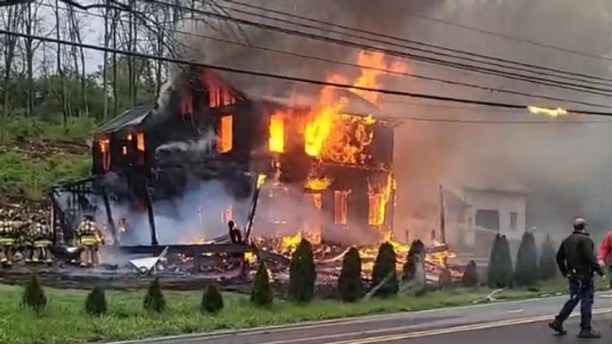
The blast destroyed a farmhouse and killed the family inside it in an Amish community outside of Lock Haven, PA. Experts say the tragedy was preventable.
A quiet Sunday morning in central Pennsylvania turned catastrophic when a home explosion killed a mother and her six young children, leaving a tight-knit rural community in shock and raising urgent questions about propane safety in American homes.
Emergency crews rushed to 797 Long Run Road in Lamar Township, Clinton County, around 8:30 a.m. on April 20. By the time firefighters arrived, the two-story farmhouse was already fully engulfed in flames. There was nothing they could do to save the family that was inside the home. Pennsylvania State Police identified the victims as Sara B. Stoltzfus, 34, and her children: Andrew, 11; Benji, 10; Susie, 8; Barbie, 6; Michael, 5; and James, 3. All seven died at the scene. Investigators suspect that a propane leak inside the home set off the explosion. Propane tanks located outside the house did not ignite and are not considered part of the cause. The investigation is still ongoing.
A Community Defined by Propane – and Its Risks
Lamar Township sits about 35 miles northeast of State College and is home to a large Amish and Anabaptist population. Like many rural communities across the country, residents there rely heavily on propane to heat their homes and power their appliances, since natural gas pipelines do not reach these areas.
That reliance comes with certain risks. Propane vapor is heavier than air, which means it sinks and collects in low spots, like floors and basements, where it can build up to dangerous levels without anyone noticing. The gas is treated with a chemical that gives it a rotten-egg smell, but that warning isn’t always enough. Children, elderly residents, and even people who’ve become accustomed to the odor can miss it entirely.
When enough gas accumulates from a leak, it takes only a single spark – from a light switch, a phone, or a pilot light – to cause a catastrophic explosion.
What Homeowners Can Do
Energy safety experts say a few basic steps can significantly reduce the risk of a propane disaster at home. Propane customers should be given these key instructions:
• Use a dedicated propane gas detector. Standard carbon monoxide detectors won’t pick up a propane leak.
• Have your system inspected annually by a certified technician. This check should include tanks, valves, and all indoor lines.
• Know what a propane leak smells, sounds, and looks like. Beware of a sulfur-like or rotten-egg smell, a hissing noise near a gas line, or unusual frost on the tank.
• If you suspect a leak, get out immediately. Don’t touch any switches. Don’t use your phone inside the house. Call 911 from outside once you are at a safe distance.
The Propane Retailer’s Role
Homeowner awareness is only part of the solution. Propane companies that service residential customers have a responsibility to monitor their tanks and catch problems before they turn into tragedies.
User-friendly, practical platforms like TankSpotter are helping the industry do exactly that. This award-winning app – used by more than 100 propane companies across the country – allows field technicians to conduct and digitally document safety inspections in real time, flagging potential hazards before they escalate. Management receives instant alerts when something is off, and any issues that were discovered can be acted on immediately.
This kind of technology is invaluable, as it turns routine service visits into a genuine safety net for families like the Stoltzfuses who rely on propane for their daily energy needs. Sara Stoltzfus and her six children – Andrew, Benji, Susie, Barbie, Michael, and James – deserved to be safe in their home. Their loss is a reminder that when it comes to propane use, the prevention of hazardous incidents isn’t just good practice. It can mean the difference between life and death.