April 30, 2026
Kentucky Fleet Saves $47K in First Season with AI Route Optimization
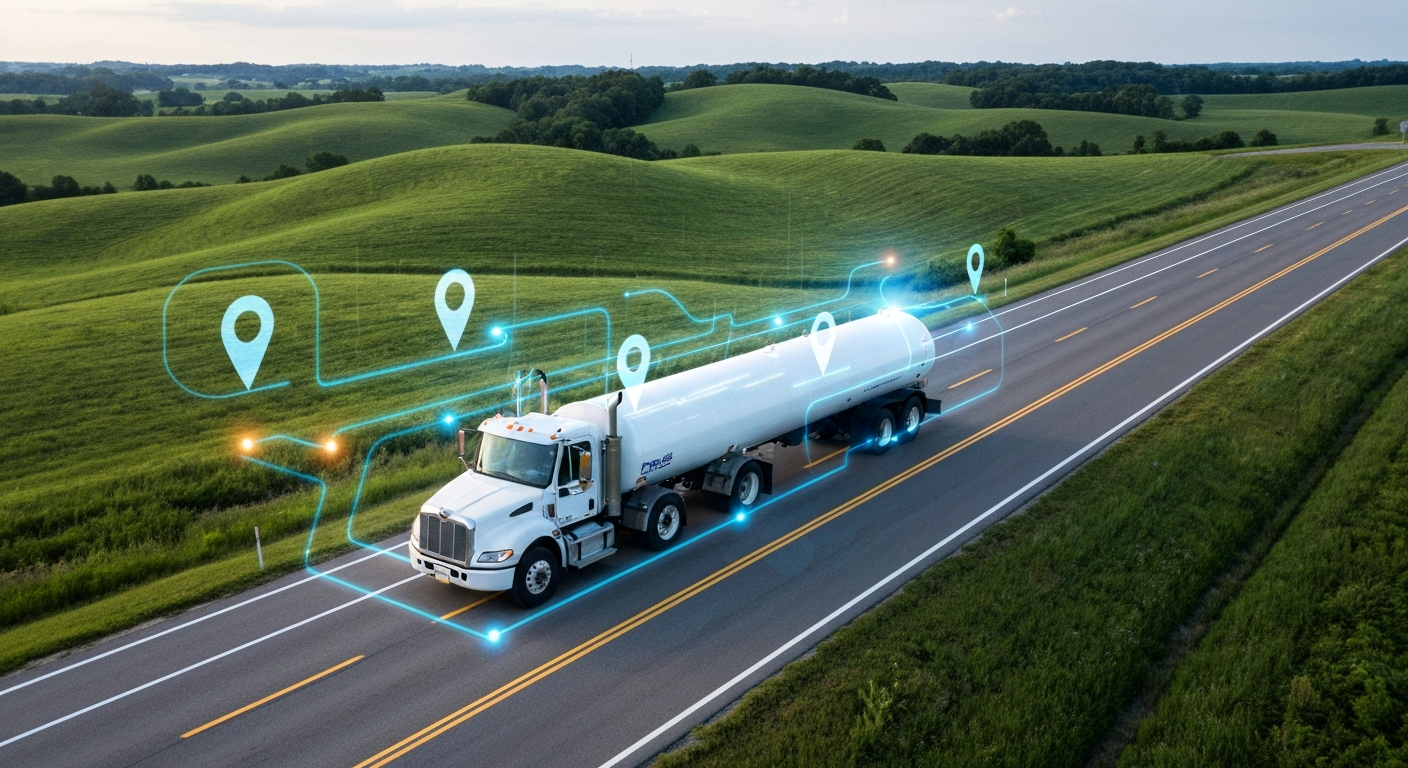
22% mileage reduction, $47K fuel savings, 31% overtime cut. $800/month software paid for itself in 21 days.
The Situation
Bluegrass Propane, a 14-bobtail fleet serving 3,200 accounts in Lexington, KY, deployed AI route optimization last October. Owner Mike Dalton just released the full-season numbers at the Kentucky Propane Gas Association spring meeting — and the ROI is undeniable.
The Facts
The Numbers Don’t Lie
Bluegrass Propane saw its average miles per delivery drop from 8.2 to 6.4 across its 14 trucks, which make an average of 38 deliveries per day during peak season. This 22% reduction translated into 4,700 fewer gallons of diesel consumed, saving the company $47,000. Overtime hours per driver also fell from 12.4 to 8.6 hours per week, cutting labor costs by $18,000.
Drivers Onboard
Surprisingly, driver satisfaction scores rose 18%. Senior driver Tom Brennan, with 16 years on the job, noted, “I’m not backtracking across Winchester Road three times a morning anymore.” This newfound efficiency also freed up enough capacity to add 340 new accounts, generating an additional $408,000 in annual revenue without the need to purchase another vehicle.
Business Impact
The total first-year savings for Bluegrass Propane exceeded $65,000, against an annual software cost of $9,600 — a remarkable 6.8x ROI. The freed capacity is arguably even more valuable: 340 new accounts, at an average of $1,200 per year, translate to $408,000 in new revenue with zero capital expenditure on equipment. For fleets with 8-20 trucks, fuel savings alone typically cover the software subscription within 30-45 days.
Key Data Points
-
Miles/delivery: 8.2 → 6.4 (−22%)
-
Fuel savings: $47K (4,700 gallons diesel)
-
Overtime: −31% ($18K labor savings)
-
ROI: 21 days on an $800/month subscription
-
Capacity freed: +340 accounts, $408K new revenue
Key Takeaways
-
ROI is measurable in weeks, not months.
-
Driver buy-in improves when routes are logically optimized.
-
Freed capacity enables growth without additional truck purchases.
-
Start with a pilot program in your highest-density delivery zone.
Action Steps
-
Calculate your current miles-per-delivery baseline using GPS data.
-
Request demos from 2-3 route optimization software vendors.
-
Run a 60-day pilot in your densest delivery zone.
-
Track miles/delivery, fuel consumption, overtime hours, and stops per route before and after implementation.
Competitive Advantage
Fleets leveraging optimized routing can offer more precise delivery windows, a growing expectation as customers compare propane service to the real-time tracking provided by companies like Amazon.
Would a 22% mileage reduction significantly impact your fleet’s bottom line, or is driver retention a more pressing concern for your operation?