April 27, 2026
Why Immediate Response Matters in Propane Accident Investigations
Fast action by insurers, legal counsel, and safety teams can cut liability and save lives.
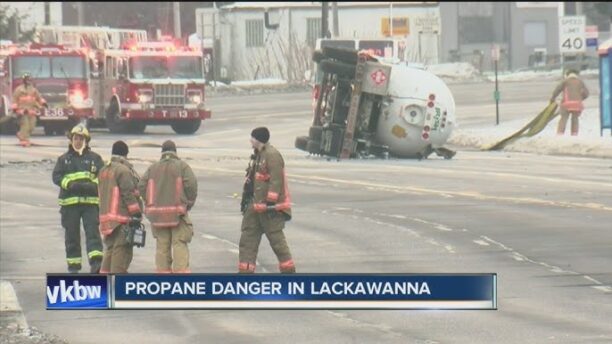
When a propane incident erupts, every second counts—not just for fire control but for the subsequent investigation that determines liability, corrective actions, and future safety protocols. The latest editorial in LP Gas Magazine stresses that insurers and legal counsel should be on‑scene within minutes, alongside first responders, to document conditions, preserve evidence, and guide operators through NFPA 54 and NFPA 58 compliance requirements.
“Rapid involvement of insurers and legal counsel is essential,” the piece notes, citing recent accidents where delayed reporting led to costly litigation and missed opportunities to improve safety practices. Early engagement helps isolate the root cause—whether a valve malfunction, improper storage, or inadequate training—while ensuring that all parties adhere to the same factual timeline.
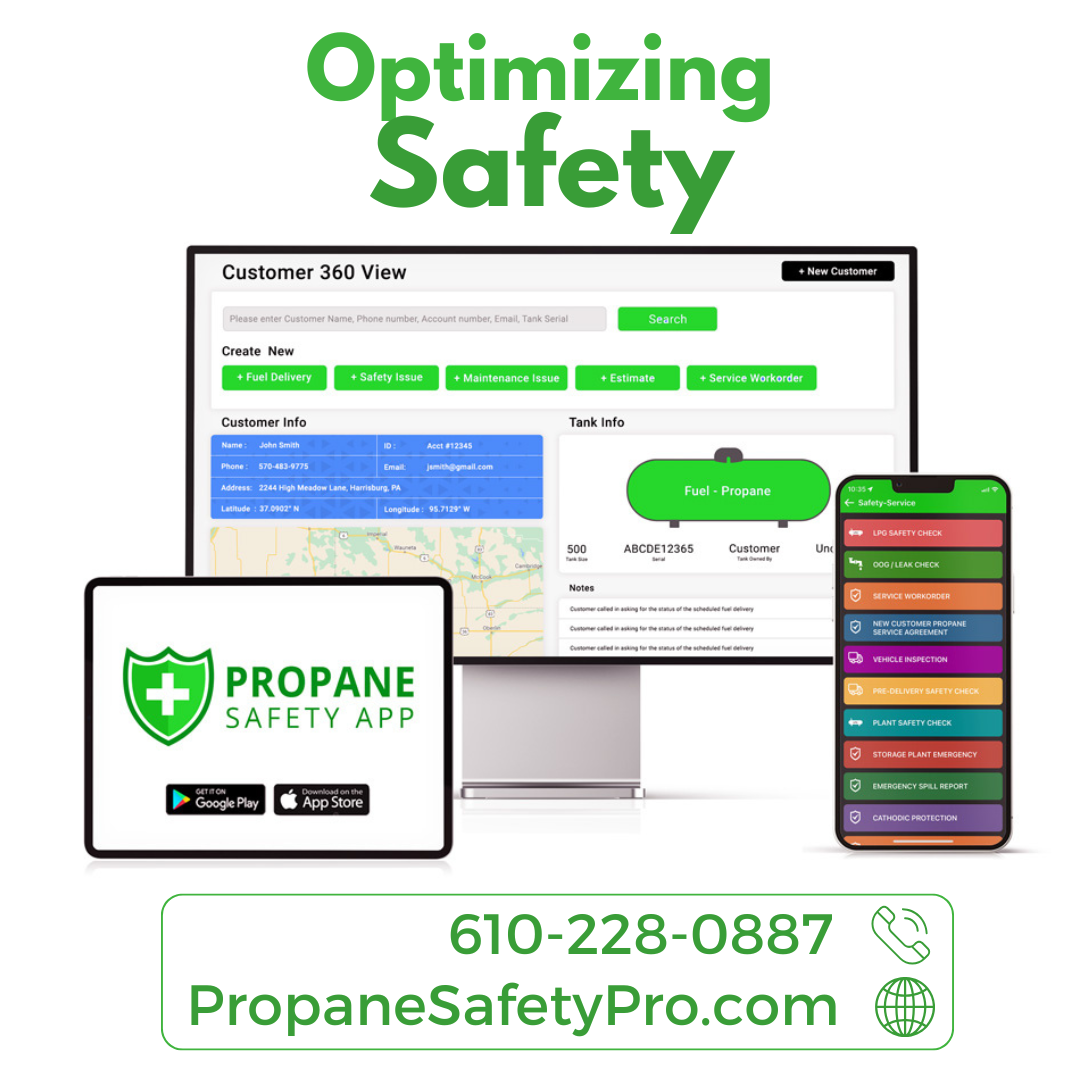
Beyond the legal advantages, early response supports the broader safety culture of propane businesses. By coordinating with safety specialists, companies can conduct real‑time risk assessments, adjust emergency procedures, and implement corrective measures before the incident escalates. Tools like PropaneSafetyPro.com provide ready‑to‑use training modules and compliance checklists that can be deployed instantly, reinforcing best‑practice standards at the moment they matter most.
Ultimately, the speed of response shapes the narrative of the investigation. Operators who act promptly demonstrate a commitment to safety, reduce exposure to regulatory penalties, and protect their brand reputation. As the industry continues to grow, embedding rapid‑response protocols into everyday operations will be a decisive factor in mitigating risk and safeguarding both employees and customers.