April 24, 2026
Propane Supply & Pricing Outlook for 2026‑27: What Distributors Need to Know
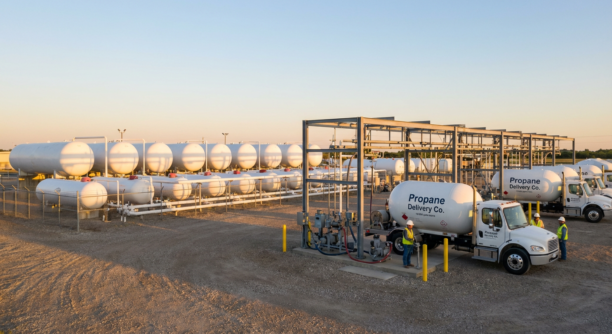
Analysts project tighter inventories and modest price gains as weather patterns shift and demand increases.
Butane-Propane News’ latest market forecast indicates that U.S. propane inventories will hover just above the five‑year average through the 2026‑27 winter season, leaving little cushion for unexpected spikes in demand. The report cites a combination of higher residential heating use, a resurgence in commercial cooking loads, and a modest uptick in industrial applications as primary drivers of tighter supply. While production capacity at major refineries is expected to remain steady, scheduled maintenance and occasional feedstock constraints could shave up to 1.2 million barrels from the available pool during peak months.
Pricing is projected to climb 4‑6 % year‑over‑year, with the Henry Hub benchmark edging toward $2.95 per MMBtu by March 2027. Analysts attribute the rise to the “squeeze‑and‑push” effect: limited inventory buffers “squeeze” the market, while growing demand “pushes” prices upward. Seasonal volatility is also expected to intensify, as warmer winters in the South are offset by harsher cold snaps in the Midwest and Northeast, creating regional price differentials that could exceed $0.30 per MMBtu.
For distributors, the outlook underscores the importance of proactive inventory management and strategic pricing. Leveraging digital tools like the Custom Fuel App can streamline customer ordering and provide real‑time visibility into stock levels, helping propane companies adjust margins quickly as market conditions continue to shift and evolve. Moreover, the report advises businesses to revisit hedging strategies and consider short‑term contracts to lock in favorable rates before the anticipated price climb.
Finally, the forecast highlights a growing competitive pressure from renewable alternatives, particularly electric heat pumps gaining market share in the residential sector. While propane remains the dominant heating fuel in many regions, distributors should monitor policy shifts and incentive programs that could accelerate the transition to greener options, potentially reshaping demand patterns beyond 2027.