
April 17, 2026
How Global LPG Contracts Are Quietly Reshaping U.S. Propane Supply
Why This Matters Beyond the Export Headlines
U.S. propane operators are used to watching weather, inventories, and rail capacity. What deserves closer attention now is how long-term international LPG contracts are changing the baseline supply picture underneath those familiar variables. Multi-year offtake agreements with fast-growing importers such as India are locking in export volumes that do not flex easily when U.S. winters tighten or logistics strain. For domestic marketers, this is less about global politics and more about planning risk. Export commitments influence pricing behavior, terminal availability, and optionality in ways that affect cash flow, service reliability, and contract strategy at home.
Long-Term Export Commitments Reduce Elastic Supply
India has become one of the fastest-growing LPG import markets in the world, driven by government-backed household fuel programs and rising urban demand. To support that growth, Indian buyers increasingly favor long-term contracts indexed to international benchmarks rather than spot cargoes. U.S. exporters have been willing sellers, committing barrels years in advance from the Gulf Coast.
The operational implication is subtle but important. Propane tied up in long-term export contracts is effectively removed from the pool of supply that can respond to short-term domestic price signals. During cold snaps or regional shortages, fewer barrels are truly discretionary. Even when total U.S. production is strong, the portion available to rebalance domestic markets is smaller than headline inventory numbers suggest.
Export Competition Shows Up First in Logistics, Not Production
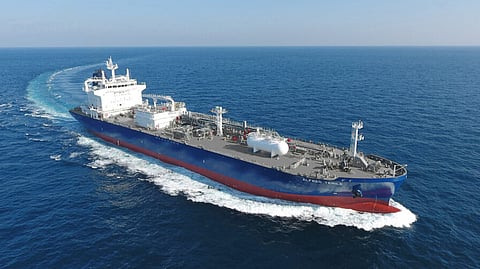
Most operators will not feel export pressure at the wellhead. It shows up earlier in logistics. Gulf Coast terminals prioritize contract liftings. VLGC loading schedules become less flexible. Railcars and barges are pulled toward export corridors when margins favor international movement.
This matters for inland marketers who rely on secondary supply chains. Tight terminal windows, longer truck turns, and reduced rail availability increase delivered cost volatility even when wholesale prices appear stable. Insurance exposure and safety risk also rise as drivers face longer hauls and tighter schedules during peak demand periods.
Pricing Behavior Is Becoming Less Seasonal
Historically, domestic propane pricing reflected a strong seasonal pattern tied to winter heating demand. Export competition has weakened that predictability. International buyers smooth demand across the calendar, which can keep prices firm during shoulder seasons and accelerate price moves when winter demand overlaps with fixed export obligations.
For propane businesses, this complicates budgeting and contract design. Prebuy programs, fixed-price offers, and margin protection strategies must account for the reality that global demand now competes year-round with domestic needs. This is a structural change, not a temporary cycle.
Recommendations for Retailers
First, stress-test supply plans assuming limited access to incremental barrels during peak demand. Do not assume export volumes will back off when prices rise. Second, review terminal and transport dependencies. Identify where export congestion could affect lift reliability and build redundancy where possible. Third, reassess customer contract structures. Longer-term price commitments should reflect higher volatility and reduced seasonal relief. Fourth, engage suppliers early about allocation risk and contingency planning rather than waiting for peak season constraints to surface.
The Long View for U.S. Propane Businesses
International LPG contracts are not a threat in isolation. Rather, they reflect U.S. propane’s global competitiveness. The risk lies in assuming domestic supply will always remain as flexible as it once was. Export growth tied to long-term agreements changes how quickly the market can respond when weather, infrastructure, or policy disrupts normal flows. Operators who recognize this shift early can adjust supply strategy, pricing discipline, and logistics planning accordingly. Those who do not may find that the real constraint is not production, but access.