April 14, 2026
Odor Fade Liability Bombshell: Retailers Face $10 Million Exposure Without Urgent Warnings
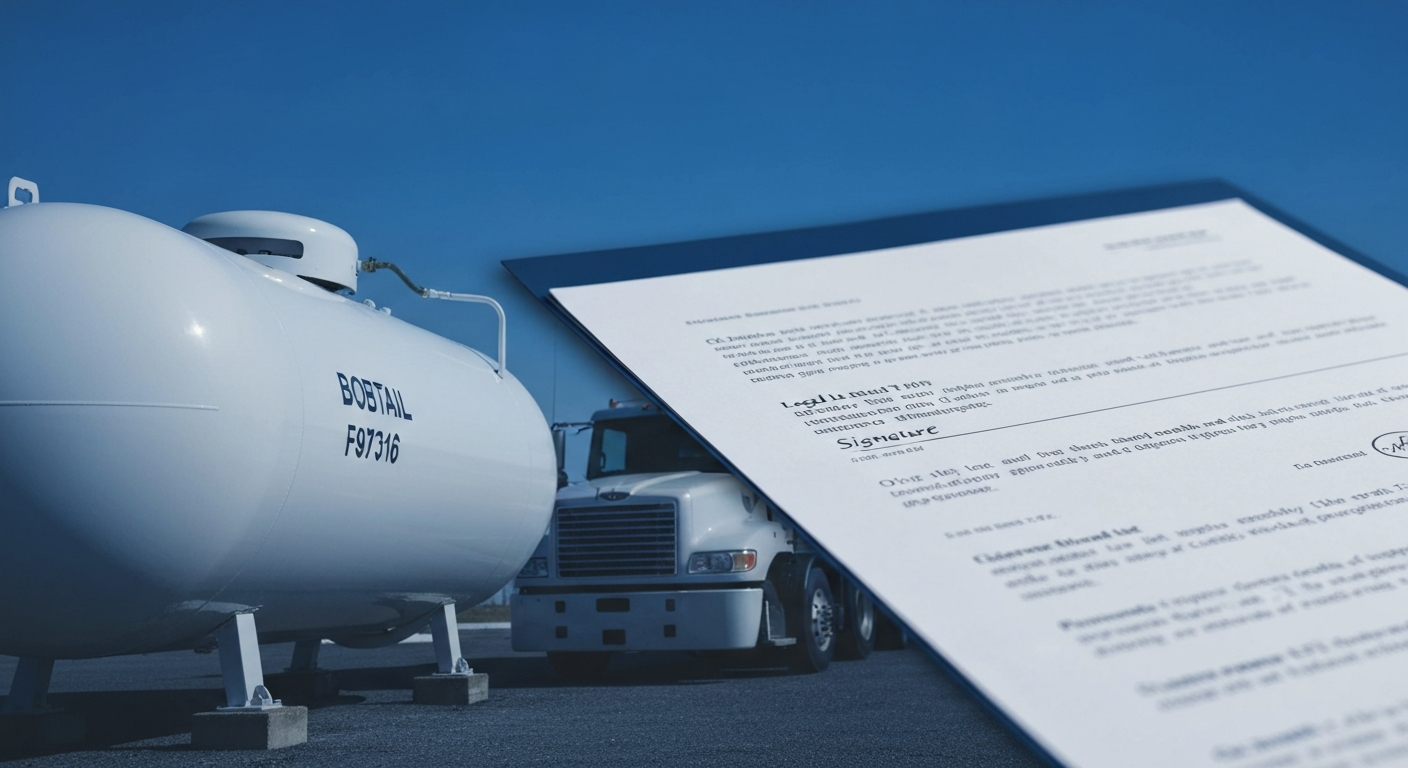
New court decisions are squarely placing odor fade warning liability on propane retailers, creating multi-million-dollar exposure. Companies must urgently update safety documentation and customer education to mitigate significant legal risk.
The Situation
A seismic shift in propane odor fade litigation is redefining retailers’ legal responsibilities. Recent court rulings have enabled wholesalers, pipelines, and odorant manufacturers to push warning liability down the supply chain. This means propane retailers now bear the direct and increased burden of delivering clear, written odor fade warnings to end-users, demanding an immediate re-evaluation of all customer education and documentation to shield against escalating legal risks.
The Facts
Propane BPN News reports a critical evolution in odor fade litigation, detailing how a series of court decisions now permit ‘wholesalers, pipelines and odorant manufacturers… to pass the warning liability down to the propane retailer by conveying clear, written warnings about odor fade to the next company in the chain.’ This legal pivot means the primary responsibility for informing the end-consumer now rests firmly with the retailer.
The Massachusetts Maze & Last-Mile Delivery
Adding another layer of complexity, WHDH 7News highlights ‘Propane Delivery Issues’ in Massachusetts, where state regulations often prevent one propane company from filling a competitor’s tank. While seemingly unrelated, such unique state-level policies can create liability risks if customers face prolonged outages or resort to unsafe practices due to an inability to get refills. The intersection of strict state rules and evolving safety warning liabilities presents a formidable operational and legal challenge for retailers across the country. Optimizing last-mile delivery, especially in complex regulatory environments, is crucial. For instance, blinkfuel.com could help a propane company diversify into on-demand fuel delivery, leveraging optimized routing and real-time order management to ensure timely, compliant service, even when navigating ‘no-fill’ zones by coordinating with authorized partners.
Business Impact
This shift in odor fade liability carries immense financial stakes for family-owned propane companies, with potential exposures now estimated to exceed $10 million in some cases. Inadequate customer warnings could trigger multi-million-dollar lawsuits, mirroring massive liabilities seen in other industries. Updating customer contracts, delivery tickets, and safety literature with prominent, easily understood odor fade warnings is no longer optional—it’s an essential legal defense. This demands investment in updated documentation, thorough employee training on warning dissemination, and legal review of all customer-facing materials. A robust, verifiable system for documenting these warnings is paramount. Platforms like propanesafetypro.com can provide standardized warnings and tracking, building a ‘Digital Chain of Custody’ for critical safety information.
Key Data Points
-
Wholesalers are now legally shifting odor fade warning liability to retailers.
-
BPN News confirms court decisions are driving this significant change, with potential $10M+ exposure.
-
Massachusetts faces unique ‘no fill’ regulations for competitor tanks, adding complexity to delivery.
-
Failure to warn adequately can result in multi-million-dollar lawsuits.
-
Retailers must update all safety documentation and customer communication.
Key Takeaways
-
Propane retailers now hold increased legal responsibility for odor fade warnings.
-
Clear, written warnings are essential to mitigate liability from the supply chain.
-
Updated customer documentation and staff training on safety warnings are critical.
-
Monitor state-specific regulations that could impact service delivery and liability.
Action Steps
-
Consult legal counsel immediately to review and update all customer-facing odor fade warnings and documentation.
-
Implement mandatory training for all delivery personnel on the importance and proper process of delivering safety warnings.
-
Develop a robust system to digitally track customer acknowledgment of odor fade warnings.
-
Actively monitor state-specific regulations that could impact service delivery and liability, optimizing routes with tools like blinkfuel.com for efficiency.
Competitive Advantage
Companies that proactively embrace this regulatory shift by implementing comprehensive, digitally verified safety warning systems will drastically cut their legal exposure. This dedication to transparency and customer safety not only protects the business but also solidifies its reputation as a responsible and trustworthy provider. Utilizing a platform like propanesafetypro.com offers a powerful framework for managing these compliance needs and creating a court-ready ‘Digital Chain of Custody’ for all safety documentation.
Beyond basic warnings, what innovative strategies can propane retailers use to ensure customers truly grasp the critical dangers of odor fade?