March 31, 2026
The Hidden Cost of Small Routing Inefficiencies in Propane Delivery
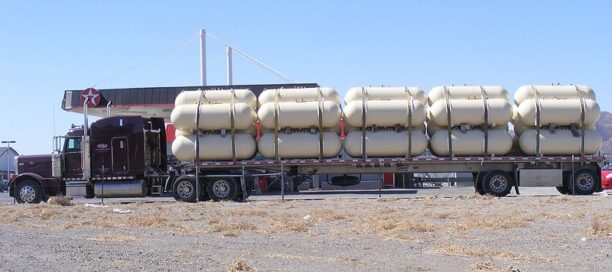
Small routing inefficiencies rarely trigger alarms inside a propane operation. A truck may drive a few extra miles between stops, a delivery sequence may not perfectly match tank levels, or a driver may double back across a service area. None of these issues seems significant on a single route day. Yet over a full heating season, these minor gaps quietly compound into measurable costs in fuel consumption, driver hours, vehicle wear, and missed delivery capacity. For propane retailers operating on tight margins and high seasonal demand, understanding how routing inefficiencies accumulate and how to measure them has become an operational discipline rather than a convenience.
Where Small Route Errors Turn Into Real Money
Most propane delivery routes evolve over time rather than being engineered from the start. New customers are added wherever demand arises, long-time accounts change tank sizes, and service territories expand. Dispatchers often adapt routes week by week, relying on experience rather than precise route optimization.
The result is route drift. Stops that were once geographically logical slowly spread apart. Drivers may travel several additional miles between deliveries simply because the order of stops has never been recalculated. A five-mile detour between two tanks may feel trivial, but if it occurs on twenty routes per week over a five-month heating season, it becomes a measurable expense.
Extra mileage means additional diesel consumption and higher vehicle maintenance. More importantly, it reduces the number of tanks a driver can service in a shift. In peak winter demand, the real cost of inefficient routing is often lost delivery capacity rather than just fuel.
The Labor Multiplier Most Operators Miss
Routing inefficiencies rarely appear as direct labor costs on financial statements, yet labor is where the operational impact often becomes largest. A driver who loses thirty minutes per route day due to inefficient stop sequences may not appear to be inefficient individually. But across a fleet of trucks, those lost minutes accumulate quickly. Ten drivers losing thirty minutes per day translates into five hours of labor capacity disappearing daily during the busiest months.
That lost capacity frequently forces propane companies to extend driver shifts, authorize overtime, or delay deliveries. In severe weather or demand spikes, the inability to complete routes efficiently can increase the risk of run-outs and emergency deliveries, both of which create additional operational stress and liability exposure.
Labor shortages across the transportation and energy sectors have made this issue more pronounced. When experienced CDL drivers are difficult to recruit, maximizing the productivity of existing drivers becomes a competitive advantage.
The Fuel Waste You Don’t See on a Dispatch Screen
Diesel consumption is one of the easiest metrics to overlook when evaluating routing performance. Many operators track gallons delivered and truck utilization, but rarely analyze miles traveled per delivery.
Propane delivery trucks operate under heavy load conditions, and stop-and-go routing increases fuel burn significantly. Even modest route inefficiencies can increase annual diesel costs more than expected. For example, a delivery truck averaging 7–8 miles per gallon may consume several additional gallons per route day if unnecessary mileage accumulates. Across an entire fleet operating throughout the heating season, that additional fuel burn quietly becomes a five-figure annual expense for some retailers.
Fuel waste also increases emissions exposure in jurisdictions where fleet reporting or environmental performance metrics are becoming more common. While propane itself is a low-carbon fuel compared to other heating sources, inefficient fleet operations still attract regulatory attention in certain regions.
How Dispatch Decisions Affect Safety and Compliance
Routing inefficiencies can also intersect with driver safety and compliance responsibilities. Longer routes increase driver fatigue, particularly during winter months when deliveries already occur under challenging conditions. Extended driving time also increases exposure to road incidents, which in turn affects insurance risk profiles.
Additionally, inefficient routing may push drivers closer to hours-of-service limits during peak demand periods. When dispatchers attempt to fit additional deliveries into already stretched routes, drivers may feel pressure to rush stops or reduce safety checks in order to stay on schedule. These operational pressures rarely appear in route planning software or dispatch spreadsheets, but they directly influence incident rates and insurance claims over time.
Practical Steps to Identify and Reduce Routing Waste
Improving routing efficiency doesn’t always require major technology investments. Many propane retailers can uncover meaningful savings simply by measuring the right operational indicators. Here’s how:
1. Measure miles per delivery stop
Tracking average miles driven per completed delivery reveals whether routes are drifting over time. Sudden increases often indicate dispatch patterns that need adjustment.
2. Analyze route completion time by territory
Comparing driver hours across service areas highlights routes that consistently run longer than expected.
3. Review delivery sequencing against tank levels
Degree-day forecasting and tank monitoring data allow dispatchers to prioritize deliveries more efficiently rather than relying solely on geographic proximity.
4. Conduct an annual route redesign before winter
Many propane companies update routes only when problems appear. A structured pre-season route review often uncovers overlapping territories and unnecessary mileage before demand spikes.
Even small route improvements, such as eliminating a few redundant miles between stops, can restore meaningful driver capacity over an entire fleet.
Why Routing Discipline Matters for Long-Term Profitability
In propane operations, the biggest financial threats are rarely big, dramatic events. More often, profitability erodes through small inefficiencies repeated thousands of times throughout a season. Routing inefficiencies are one of the most common examples.
Companies that routinely measure route performance gain more than just fuel savings. They increase driver productivity, reduce overtime exposure, and improve their ability to respond to cold-weather demand spikes. Over time, these operational advantages compound into stronger margins and more resilient service capacity.
The difference between an average propane delivery operation and a high-performing one often comes down to whether these small operational leaks are ignored – or systematically measured and corrected.