March 27, 2026
Why Software Spending Is Rising Across Propane Operations

Propane retailers are increasing their investment in operational software, not because technology is new, but because cost pressures are forcing more disciplined execution. Margins are tightening under volatile supply costs, labor constraints, and higher insurance exposure. At the same time, customer expectations around delivery reliability and documentation continue to rise. The decision to invest in software is no longer about modernization; it is about protecting profitability and reducing operational risk. For many operators, the question is shifting from “Can we afford this?” to “What is the cost of continuing without it?” The answer is increasingly tied to efficiency, compliance, and long-term scalability.
Labor Constraints Are Driving Automation Decisions
Driver availability remains one of the most persistent operational challenges. Hiring and retaining qualified CDL drivers has become more difficult, and wage pressure continues to rise. In this environment, adding headcount is no longer the most reliable path to maintaining service levels.
Operational software greatly changes how existing teams perform. Route optimization reduces unnecessary miles, while digital field tools eliminate time lost to paperwork and post-route reconciliation. Platforms such as the Tank Spotter app are being used to digitize inspections, service updates, and field communication, allowing drivers and technicians to more efficiently complete their required tasks without slowing down delivery schedules.
The financial impact of this resource is immediate. Fewer overtime hours, reduced administrative burden, and higher route density all serve to lower the cost per gallon delivered. For many companies, the return comes not from growth but from avoiding additional hires while maintaining strong service reliability.
Dispatch Discipline Has Become a Margin Issue
Dispatch inefficiency has always existed, but rising operational costs have made it harder to absorb. Loose delivery thresholds, inconsistent scheduling, and reliance on will-call customers all introduce variability that increases operating expense.
Software platforms that combine degree-day tracking, tank monitoring, and delivery history allow for more controlled dispatching. Deliveries are scheduled based on consumption patterns rather than reactive calls, thereby reducing runouts and emergency stops.
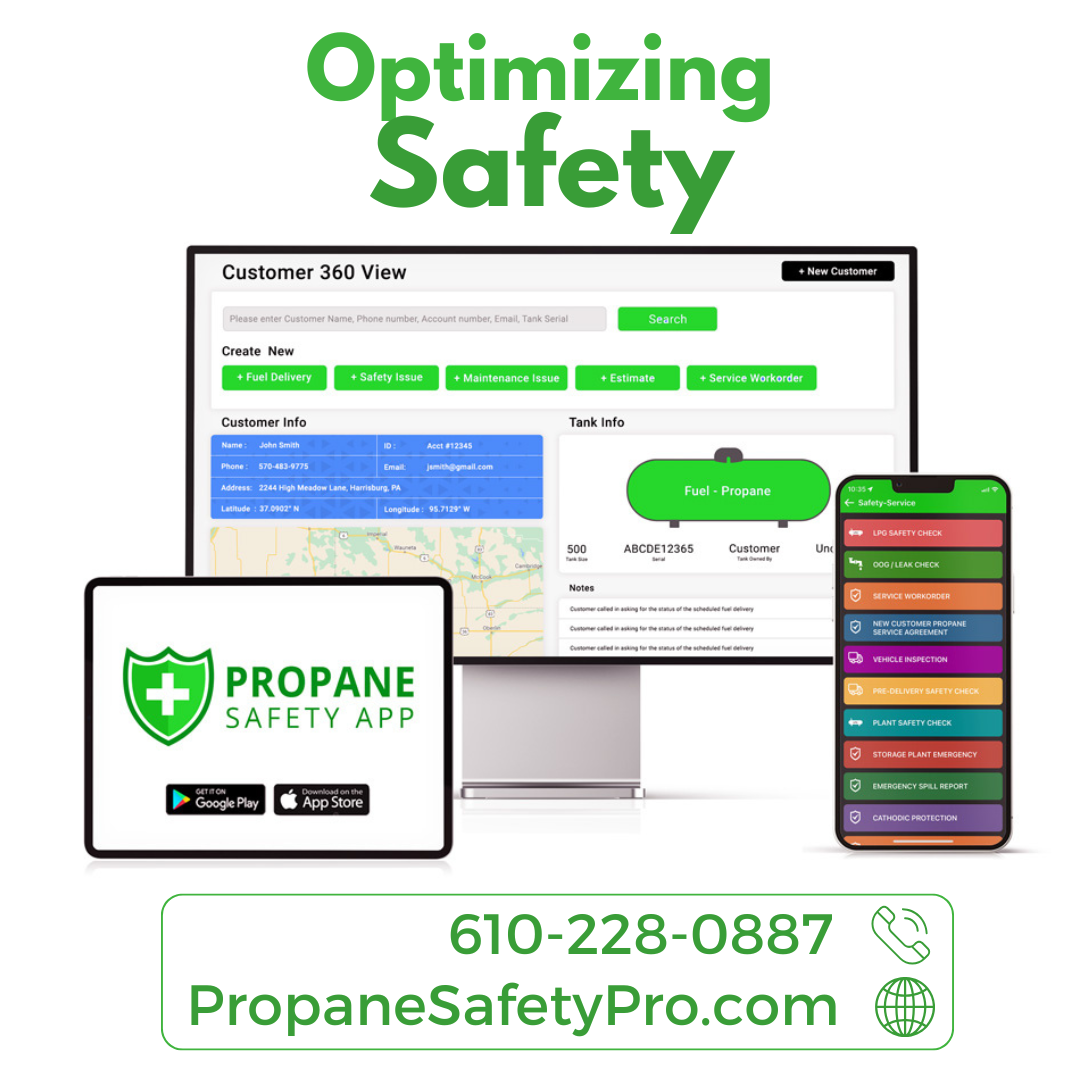
This is where operational tools and safety systems begin to overlap. When delivery timing improves, so does the ability to perform proper inspections and to follow established procedures without rushing. Systems like Propane Safety Pro, when paired with field execution tools, help ensure that compliance checks and documentation are completed consistently within the flow of daily operations, rather than treated as separate or secondary tasks. The result is fewer costly exceptions, both operationally and from a compliance standpoint.
Compliance and Liability Exposure Are Forcing Better Recordkeeping
Regulatory expectations and insurance scrutiny are becoming more and more documentation-driven. Inspection records, leak checks, service history, and training logs are no longer internal references; rather, they are critical components of a company’s risk profile. Paper systems and disconnected processes create gaps that are difficult to defend. Missing or incomplete records can delay claims, increase liability exposure, or create challenges during audits.
Digital platforms are increasingly being adopted across the propane industry to close these undesirable gaps. The Tank Spotter app provides structured, time-stamped field documentation, while systems like Propane Safety Pro support standardized safety procedures aligned with regulatory expectations. Together, these innovative tools create a more complete operational record, one that reflects not just what was done, but when and how it was performed. This level of visibility strengthens audit readiness and supports more consistent execution of safety protocols across the organization.
Cost Visibility Is Replacing Assumptions
Many propane businesses operate with a general understanding of their costs but lack precise visibility into where inefficiencies occur. Software platforms provide detailed metrics on routing performance, delivery cost, driver productivity, and service frequency.
This changes how decisions are made. Instead of relying on experience alone, operators can identify specific routes that underperform, customers that generate higher delivery costs, or patterns that increase operational risk.
It also creates accountability. When field activity, safety checks, and delivery data are all captured within connected systems, it becomes easier to evaluate a company’s performance across various teams and locations. Over time, this leads to more consistent operations and fewer hidden inefficiencies.
Recommendations for Retailers
Companies evaluating or expanding their software investment should approach it as an operational improvement initiative, not just a technology upgrade. Here’s how:
• Start by identifying where inefficiencies are most costly: Whether in routing, documentation, or labor utilization – and prioritize solutions that address those areas directly.
• Integrate field execution and safety systems: Combining tools like the Tank Spotter app with structured safety platforms such as Propane Safety Pro ensures that compliance is embedded into daily workflows rather than handled separately.
• Track measurable performance changes: Monitor cost per delivery, route density, and documentation completion rates to confirm real operational impact.
• Ensure adoption at the field level: Train drivers and technicians on how these systems improve their workflow – not just how to use them – to drive consistent usage.
Efficiency Is Becoming the Competitive Advantage
Software investment in propane operations is less about adopting new tools and more about enforcing operational discipline. As cost pressures persist, companies that can deliver reliably with fewer resources will maintain stronger margins and lower risk exposure. Systems that connect routing, field execution, and safety documentation are becoming essential to that effort. Businesses that delay these changes often absorb higher labor costs, increased liability exposure, and operational inconsistency. Those who move early position themselves to operate more efficiently, document their work more effectively, and remain competitive in a tighter operating environment.