March 20, 2026
State Oversight Tightens on Propane Tank Installations
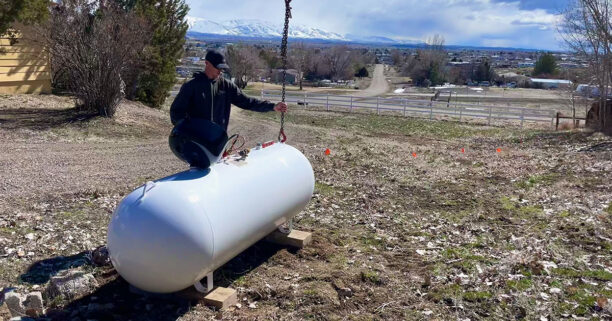
State regulators are taking a closer look at propane tank installations, and the shift is showing up where it matters most – on job sites, in permit approvals, and during post-install inspections. What was once a largely routine compliance process is becoming more documentation-heavy, more frequently audited, and more likely to trigger corrective action.
For propane marketers, this is not just a regulatory nuisance. It directly affects installation timelines, crew productivity, liability exposure, and ultimately customer satisfaction. The companies that adjust early will protect margins and avoid operational disruptions. Those that treat this as business-as-usual risk costly rework and enforcement actions.
Inspection Activity Is Moving Upstream
One of the more noticeable shifts is that inspections are no longer limited to final sign-off. In several states, regulators are inserting themselves earlier in the process, reviewing site plans, tank placement diagrams, and separation distances before installation even begins.
This change is forcing operations teams to slow down what has traditionally been a fast-moving part of the business. Pre-install verification now carries more weight, and incomplete documentation can stall jobs before the first hole is dug. For marketers managing high installation volumes, especially during peak demand seasons, even small delays compound quickly.
The operational impact is clear: installation scheduling is becoming less predictable. Dispatch teams must now build in buffer time for approvals, and sales teams need to manage customer expectations more carefully. What used to be a same-week install may now stretch across multiple weeks, depending on jurisdiction.
Documentation Standards Are Getting More Detailed
Regulators are increasingly expecting precise, standardized documentation tied to each installation. This includes site-specific diagrams, proof of compliance with setback requirements, and verification of regulator and piping configurations.
The challenge is not just producing the documentation; it is maintaining consistency across crews. Many enforcement issues stem from small deviations: missing measurements, unclear tank orientation, or incomplete records of pressure testing. These are not major violations, but they create enough uncertainty for inspectors to flag the installation.
From an operations standpoint, this raises the need for tighter internal controls. Paper-based systems or inconsistent digital workflows are becoming liabilities. If documentation cannot be quickly retrieved and validated, companies risk failing inspections even when the physical installation is sound.
Liability Exposure Is Expanding Beyond the Install
Another emerging trend is how regulators and insurers are viewing installation quality over time. The focus is no longer limited to whether the system met code on the day of installation. There is increasing attention on whether documentation and installation practices can stand up to scrutiny months or years later.
This has direct implications for insurance claims and legal exposure. In the event of an incident, incomplete or inconsistent installation records can weaken a company’s position. Insurers are beginning to look more closely at installation procedures when underwriting policies or reviewing claims.
For propane businesses, this means installation compliance is no longer just a field issue; it is a long-term risk management function. The cost of getting it wrong may not show up immediately, but it can surface later in the form of higher premiums, denied claims, or legal disputes.
Workforce Pressures Are Complicating Compliance
At the same time that regulatory expectations are rising, many companies are still dealing with technician shortages and high turnover. Newer employees may not have the same level of familiarity with evolving state requirements, especially as codes are updated or interpreted differently across jurisdictions.
This creates a gap between what is required and what is consistently executed in the field. Even experienced crews can struggle if requirements change faster than training programs are updated. The result is a growing reliance on institutional knowledge rather than standardized processes. That approach is becoming less sustainable as oversight increases. Companies that fail to formalize training and verification processes are more likely to see compliance issues surface during inspections.
What Operators Should Do Now
1. Standardize Pre-Install Workflows
Develop a consistent process for site evaluation, documentation, and approval before any installation begins. This should include checklists that align with current state requirements and eliminate guesswork at the crew level.
2. Move Documentation to a Centralized Digital System
Ensure that all installation records, photos, diagrams, and pressure tests are stored in a system that can be accessed quickly. This reduces risk during inspections and provides a defensible record if issues arise later.
3. Train Crews on State-Specific Variations
Not all jurisdictions interpret codes the same way. Regularly update training to reflect local enforcement trends, not just national standards. Field teams should know what inspectors in their area are focusing on.
4. Build Compliance Time Into Scheduling
Adjust installation timelines to account for permit reviews and inspections. Overpromising on installation speed creates downstream pressure that often leads to mistakes or incomplete documentation.
Projected Corporate Impacts
The increased scrutiny around propane tank installations reflects a broader move toward tighter accountability across fuel delivery infrastructure. For propane marketers, this means installation quality and documentation will play a larger role in operational performance, not just compliance.
Companies that adapt will see more predictable workflows, fewer inspection delays, and stronger protection against liability. Those that do not will face growing friction in the form of rework, enforcement actions, and rising insurance costs. In a business where margins are already tight, the difference will show up quickly and is likely to persist.