March 17, 2026
States Lower Age Requirement for Some Propane Truck Drivers to Help Ease Labor Shortage
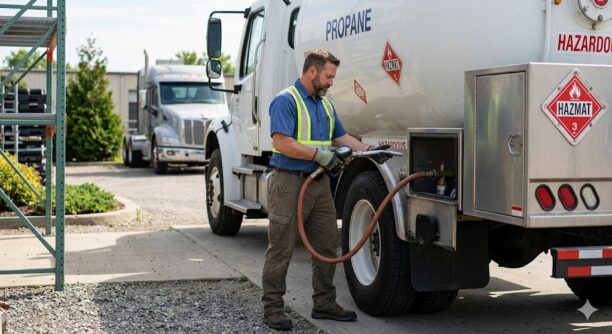
A growing number of states are taking steps to address a persistent challenge in the propane industry: finding enough qualified drivers to deliver fuel during peak demand. This year, 13 states have updated their rules to allow 18-year-old drivers to operate propane delivery trucks for intrastate routes – meaning trips that stay within state lines – as long as the driver holds a valid hazardous materials endorsement and meets all required safety standards.
States adopting the change include Texas, Ohio, and Pennsylvania, among others. Supporters say the policy should expand the pool of available drivers and help propane companies keep up with demand, especially during cold-weather months when deliveries surge.
Addressing a Workforce Gap
Propane delivery requires specialized training. Drivers must hold a commercial driver’s license and pass federal hazardous materials safety requirements before transporting fuel. For years, federal rules have limited interstate hazmat trucking to drivers age 21 or older. By allowing younger drivers to work on in-state routes only, state officials hope to give companies more flexibility without changing federal law.
Industry groups have argued that the propane sector, like much of the trucking industry, is facing a wave of retirements. At the same time, fewer younger workers are entering the profession, creating staffing challenges for local fuel distributors. Allowing qualified 18-year-olds to begin driving could help develop a new pipeline of drivers and thereby reduce delivery delays during busy seasons.
Safety and Compliance As Priorities
Even with the lower age threshold, companies must still meet strict safety requirements. Younger drivers must complete hazardous materials training, pass knowledge exams, and follow all federal safety regulations before transporting propane. Some states also require additional oversight or mentoring programs for drivers under 21.
The rules can also vary depending on the route. In states where the waiver applies only to intrastate deliveries, companies must carefully track which drivers operate within state borders and which routes cross state lines. Failing to separate those records correctly could expose carriers to federal penalties.
Weighing Opportunity and Risk
Fleet managers say the policy offers both great promise and great responsibility. Adding younger drivers could help companies cover more delivery routes and reduce overtime costs for experienced drivers. However, propane operators emphasize that safety training and supervision remain essential when bringing young, new workers into a hazardous materials environment. Many companies are strengthening onboarding programs and mentorship systems to help younger drivers safely gain experience.
What Propane Companies Are Watching Next
The new policies could reshape hiring strategies for propane retailers in the coming years. Companies may begin recruiting directly from vocational schools or community colleges, offering younger workers a pathway into a skilled trade earlier than before.
Industry leaders are also closely monitoring how the rules perform in practice. If the approach proves to be successful, additional states could consider similar adjustments. For propane distributors facing a tight labor market, the change represents a promising potential new source of talent – one that could help keep fuel deliveries moving when customers need them most.