June 2, 2026
Propane Prices Could Ease Through 2026 as Inventories Climb, EIA Says
High Storage Levels May Create Rare Buying Opportunity for Propane Retailers
The U.S. propane market may be headed into an unusually stable pricing period, according to the latest outlook from the U.S. Energy Information Administration (EIA). New projections show propane inventories are expected to remain above the five-year average through late 2026, potentially putting downward pressure on wholesale prices during the next heating season. For propane companies, the forecast could create a valuable window to secure supply contracts, improve margins, and offer more competitive pricing to customers.
Inventories Expected to Stay Elevated
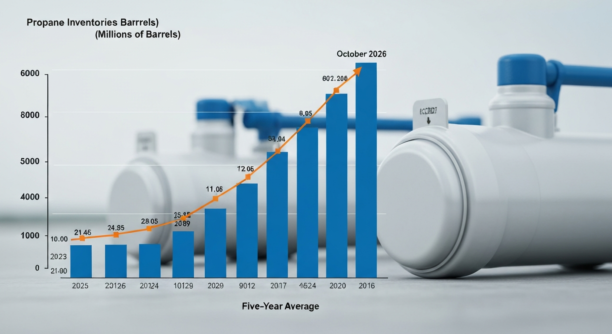
In its latest Short-Term Energy Outlook, the EIA said propane inventories are projected to peak in October 2026 before seasonal winter drawdowns begin. Even after winter demand increases, stock levels are still expected to remain above historical norms.
That matters because propane pricing is heavily tied to storage levels. When inventories remain strong, markets typically experience less volatility and fewer supply shocks during periods of peak demand. For retailers that struggled through recent winters marked by tight supply and unpredictable spot pricing, the latest outlook offers a much-needed shift toward stability.
Why Supply Remains Strong
Several factors are currently helping to keep propane inventories elevated. They include:
• Strong Natural Gas Production – U.S. shale production continues generating large volumes of natural gas liquids, including propane, keeping supply pipelines active nationwide.
• Expanded Export Infrastructure – Although exports remain high, infrastructure improvements along the Gulf Coast are helping to balance domestic storage with overseas demand more efficiently.
• Milder Seasonal Demand – Back-to-back milder winters in several regions reduced drawdowns, allowing inventories to rebuild faster than expected.
Together, these trends are creating a more balanced propane market.
What Lower Prices Mean for Propane Companies
For propane delivery businesses, lower wholesale costs can create both opportunities and challenges such as:
• Better Customer Retention – Stable or lower pricing helps companies reduce customer sticker shock during winter fill periods. Retailers may have more flexibility to offer budget plans, fixed-price contracts, or early-fill incentives.
• Improved Planning – Predictable supply conditions allow dispatchers and purchasing managers to plan inventory levels with greater confidence instead of reacting to sudden price spikes.
• Margin Pressure for Some Retailers – Companies holding expensive inventory purchased during higher market periods could face temporary margin compression if wholesale prices decline too quickly.
The key will be balancing purchasing strategy with customer pricing programs.
Propane’s Stability Could Become a Competitive Advantage
While propane inventories remain strong, other energy markets continue facing uncertainty. Gasoline and diesel prices remain vulnerable to geopolitical disruptions, refinery outages, and global crude oil volatility. Electricity costs are also climbing in many regions as utilities invest in grid modernization and infrastructure upgrades.
That contrast could strengthen propane’s position with:
• Commercial fleets
• Agricultural operations
• Rural homeowners
• Backup power customers
• Construction and industrial users
For marketers promoting propane autogas or standby generator systems, price stability may become one of the industry’s strongest selling points over the next 18 months.
Smart Moves Retailers Are Making Now
Many propane companies are already adjusting strategies based on the EIA forecast. These proactive measures include:
• Locking in Supply Contracts Early – Some retailers are securing additional summer and fall gallons while prices remain favorable.
• Expanding Fixed-Price Programs – Stable inventory projections make fixed-price offerings less risky than during highly volatile market years.
• Reviewing Storage Capacity – Operators are evaluating whether current bulk storage levels are sufficient to maximize lower-cost purchasing opportunities.
• Strengthening Customer Communication – Retailers that proactively explain market conditions often improve customer trust and increase early-fill participation.
Looking Ahead
The EIA’s latest outlook points toward a propane market with stronger inventories and potentially softer pricing throughout the rest of 2026. For propane retailers and delivery companies, that could mean a rare period of supply stability after years of unpredictable energy markets.
Businesses that move early – securing supply, refining pricing strategies, and communicating clearly with customers – may be best positioned to turn favorable market conditions into long-term growth. In an industry where margins can change quickly, preparation remains the smartest strategy offering the biggest advantage.