June 9, 2026
Power Outage Safety Comes Into Focus After Recent Propane Incidents
Explosions Following Electrical Interruptions Highlight the Importance of Customer Education
Power outages are often viewed as an inconvenience, but recent incidents in multiple states are serving as a stark reminder that the restoration process can introduce serious safety risks when propane systems are involved.
Investigations into separate explosions in Texas and Pennsylvania have drawn attention to the dangers associated with propane leaks that may go unnoticed during or after electrical service interruptions. For propane marketers, these events underscore the importance of ongoing customer education and clear emergency response guidance.
As severe weather, grid challenges, and unexpected outages continue to affect communities across the country, propane companies have an opportunity to reinforce critical safety practices that can help prevent both injuries and property damage.
Recent Incidents Raise Industry Concerns
In one incident, a residential explosion in Fredericksburg, Texas, was reportedly linked to a propane leak following a power outage. In a separate event in Lancaster Township, Pennsylvania, a propane-fueled water heater explosion injured a resident after investigators identified a gas leak associated with the appliance.
While the circumstances surrounding each event differ, both cases highlight a common concern: propane systems and appliances should both be approached with caution following any interruption in electrical service. Power outages can affect appliance operation, ignition systems, and equipment performance. When power is restored, improperly functioning equipment or undetected leaks can create hazardous conditions if safety procedures are not followed.
Why Customer Awareness Matters
Many homeowners understand how to respond when their electricity goes out, but fewer fully understand the precautions that should be taken when propane appliances are involved. Customers may attempt to restart equipment, relight appliances, or troubleshoot issues on their own without recognizing potential warning signs.
This creates an important role for propane providers, who are often the most trusted source of safety information for their customers. Regular communication about outage-related safety procedures can help reduce risks while strengthening customer confidence in their propane supplier.
The Importance of Proper Emergency Response
One of the most valuable safety messages propane companies can share is the correct response if a customer smells propane. Industry safety guidance consistently emphasizes that anyone who detects the odor of propane should leave the building immediately and move to a safe location. Once safely away from the area, they should call 911 to report the emergency. Only after emergency responders have been notified should they contact their propane supplier for assistance.
Customers should never attempt to locate the source of a leak, operate electrical switches, use phones inside the building, or restart appliances when propane odor is present. Clear communication of this sequence is critical because quick action can help prevent injuries and property loss.
Compliance and Prevention Go Hand in Hand
These incidents also reinforce the importance of following established safety standards and inspection procedures throughout the propane industry. Proper installation practices, equipment maintenance, leak testing, and appliance inspections all play an important role in reducing risk. Service technicians should remain vigilant when responding to outage-related service calls and be prepared to verify that systems are operating safely before equipment is returned to service. Routine safety reviews and customer education programs can provide another layer of protection, particularly in regions where severe weather and power disruptions occur frequently.
A Business Issue as Well as a Safety Issue
Beyond the obvious safety concerns, propane-related incidents can have significant business consequences. Emergency response costs, liability exposure, reputational damage, and increased insurance scrutiny can affect companies long after an incident occurs.
Proactive customer communication is one of the most effective ways to reduce those risks. Companies that regularly educate customers about propane safety often experience stronger customer relationships and greater trust during emergency situations.
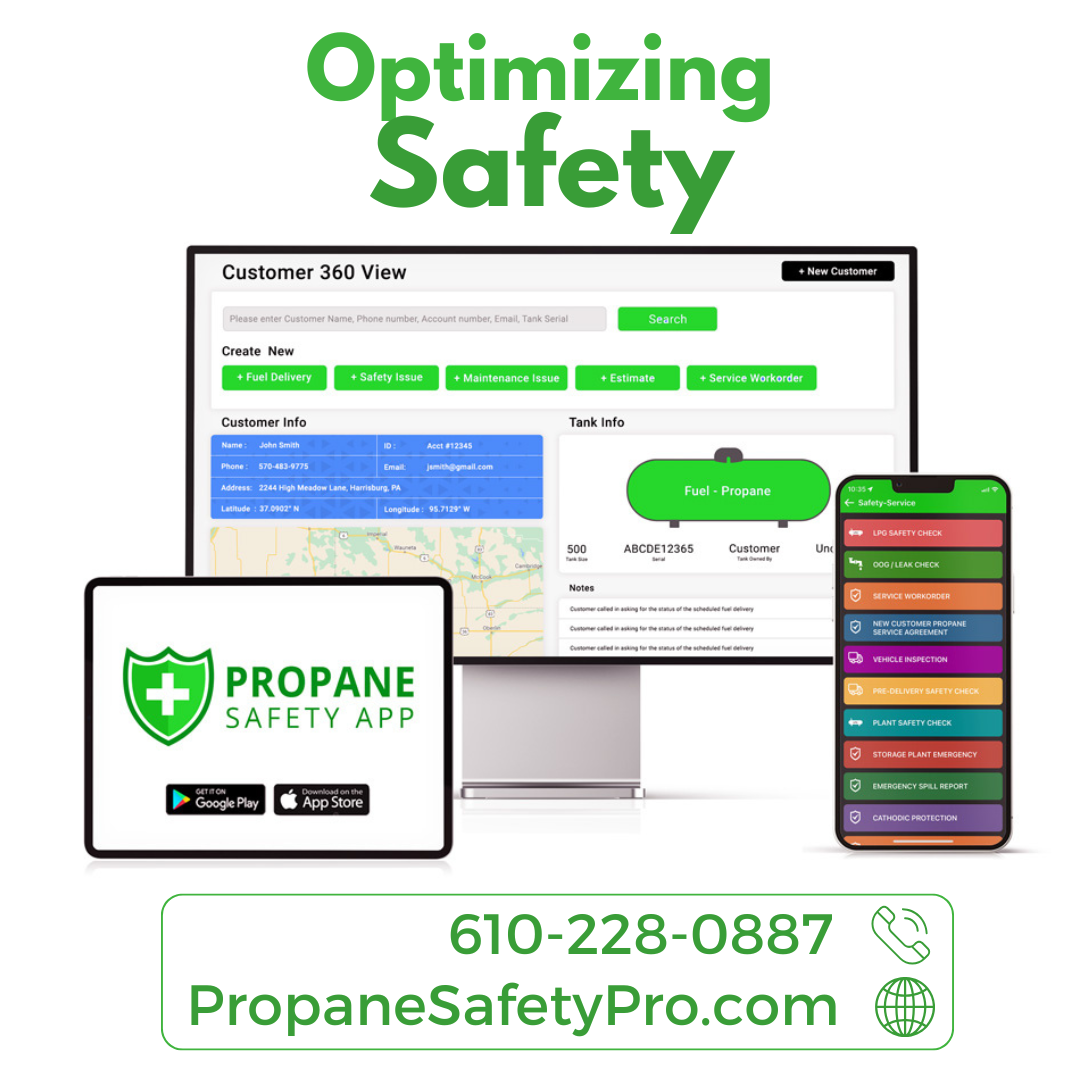
Many fuel marketers are increasingly using digital communication tools, customer portals, and mobile applications to distribute safety reminders before and after major weather events. These resources can help ensure that customers receive critical information when they need it most.
Turning Safety Education Into a Competitive Advantage
Every propane company delivers fuel, but not every company delivers the same level of safety support. Businesses that actively educate customers about outage preparedness, leak awareness, and emergency procedures position themselves as trusted energy partners rather than simply fuel suppliers. That distinction can be especially valuable in competitive markets where customer retention depends on trust and service quality.
These recent incidents serve as a reminder that safety communication should not begin after an emergency occurs. The companies that make education a year-round priority are often the ones best positioned to protect both their customers and their businesses when unexpected events arise.
For propane marketers heading into storm season and periods of increased outage risk, reinforcing post-outage safety procedures may be one of the most important customer service initiatives they undertake this year.