June 5, 2026
Food Truck Safety Requirements Create New Opportunities for Propane Providers
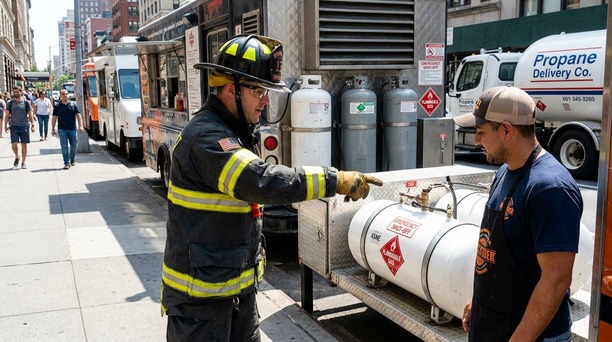
As food trucks continue to expand across cities, suburbs, festivals, and special events, safety requirements surrounding propane use are receiving increased attention from regulators and local officials. For propane providers, this shift represents more than a compliance issue – it presents an opportunity to strengthen customer relationships and expand service offerings.
Food trucks rely heavily on propane-powered cooking equipment, making safe fuel storage and system operation critical. As fire officials and inspectors place greater emphasis on propane safety standards, operators are facing higher expectations for equipment maintenance, employee training, and documentation. For propane companies that serve commercial customers, understanding these requirements can help position their business as a trusted resource rather than simply a fuel supplier.
Why Food Truck Safety Is Under the Microscope
Food trucks operate in a very unique environment. Unlike a traditional restaurant, cooking equipment, fuel systems, storage cylinders, and employees all work within a compact mobile space. The combination of open flames, high cooking temperatures, and portable propane systems creates risks that regulators take seriously. A single equipment failure, fuel leak, or improperly installed component can lead to property damage, injuries, or business interruptions.
As a result, fire inspectors across the country are paying closer attention to propane-powered mobile kitchens. Many local jurisdictions now require operators to demonstrate compliance with nationally recognized safety standards before permits are issued or renewed. For food truck owners, a failed inspection can mean missed events, lost revenue, and unexpected repair costs.
Key Areas Receiving Attention
Food truck operators are increasingly being tasked with verifying that their propane systems are installed and maintained properly. Inspectors often focus on several common areas:
• Propane System Components: Fuel lines, regulators, valves, and connectors must be designed for propane service and maintained in good condition. Damaged or improvised components can create safety concerns and may trigger inspection failures.
• Equipment Placement: Proper separation between propane cylinders and cooking equipment remains a major consideration. Maintaining adequate distance from heat sources helps reduce the risk of cylinder overheating and other hazards.
• Emergency Shut-Off Procedures: Operators and employees should understand how to quickly shut down propane systems during an emergency. Clear procedures and proper training can significantly reduce risks when unexpected situations occur.
• Leak Detection and Routine Inspections: Regular inspections help identify worn hoses, loose fittings, and other potential problems before they become serious issues. Many operators are adopting documented inspection programs to demonstrate compliance and improve safety.
A Growing Service Opportunity for Propane Companies
For propane marketers, these evolving expectations create an opportunity to deliver value beyond just fuel delivery. Many food truck operators are experts in food preparation and customer service, but they may not have extensive knowledge of propane system requirements. This creates demand for experienced propane professionals who can help them navigate inspections and maintain safe operations.
Services that can differentiate a propane business in this regard include:
• Safety inspections and compliance reviews
• Propane system upgrades and repairs
• Employee safety training
• Emergency service support
• Documentation assistance for inspections and permitting
Providing these services can strengthen customer loyalty while creating additional revenue streams beyond simple gallon sales.
Helping Customers Stay Inspection Ready
One of the biggest challenges facing food truck operators is managing safety documentation. Inspection records, training logs, maintenance reports, and emergency procedures often need to be readily available during reviews by local authorities.
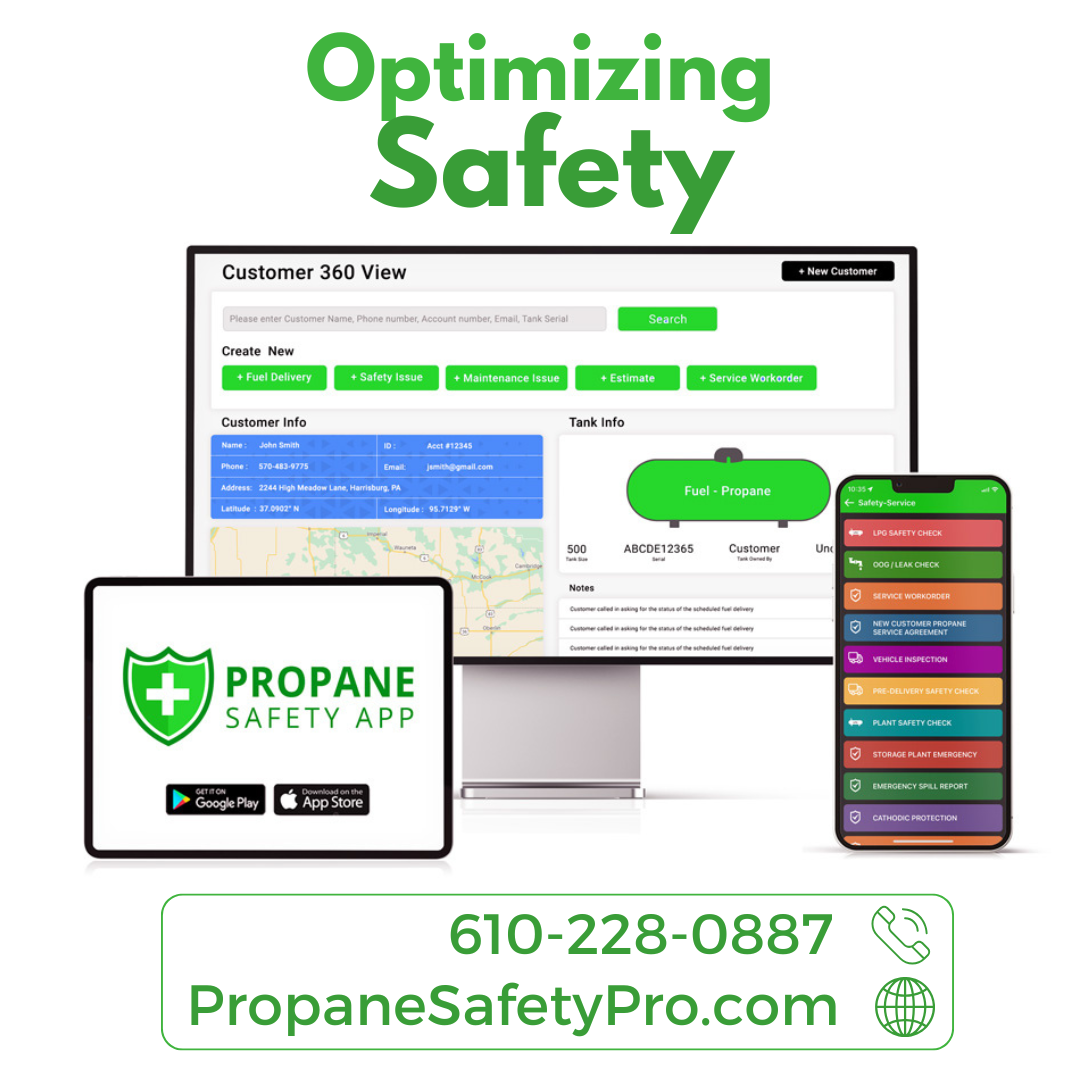
Digital safety management tools can simplify this process by keeping all records both organized and accessible. Digital solutions such as Propane Safety Pro allow businesses to maintain safety documentation, training materials, and operational procedures in a centralized system, thereby reducing administrative burdens while improving preparedness. For propane companies, helping customers stay organized can become an important part of the overall service relationship.
Building Long-Term Customer Relationships
The food truck industry continues to grow, creating new opportunities for propane suppliers that understand the unique needs of mobile commercial kitchens. Rather than waiting for customers to encounter compliance problems, proactive propane companies can position themselves as trusted advisors.
Offering guidance on safety practices, equipment maintenance, and inspection readiness will do much to help customers avoid costly disruptions while reinforcing the value of professional propane service. In a competitive market, businesses that combine reliable fuel supply with safety expertise may find themselves better positioned to retain customers and attract new commercial accounts.
Takeaway for Propane Business Owners
Food truck operators are facing increasing pressure to maintain safe and compliant propane systems. Propane marketers who provide inspections, training, documentation support, and responsive service can turn these regulatory challenges into a meaningful business opportunity. As safety expectations continue to evolve, the companies that help customers stay safe and prepared will likely become the fuel partners that food truck operators rely on most.