May 29, 2026
Summer Fuel Crunch Could Create New Challenges for Propane Delivery Companies
Rising Travel Demand Is Tightening Fuel Markets Across the U.S.
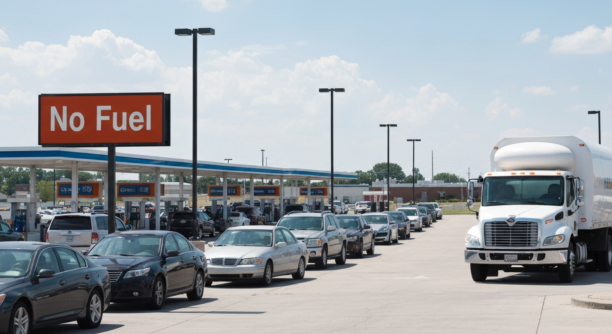
As Americans prepare for one of the busiest summer travel seasons in years, energy analysts are warning that rising gasoline and diesel demand could put pressure on fuel supply chains nationwide. Higher fuel prices, strained trucking networks, and increased transportation demand are already creating concern across multiple industries – including propane delivery.
While propane inventories remain relatively healthy compared to gasoline and diesel markets, propane retailers and short-haul delivery operators are watching closely for ripple effects that could impact fleet operations, delivery schedules, and operating costs during peak summer months.
Gasoline and Diesel Markets Are Feeling Pressure
Energy market analysts say several factors are converging at once:
• Increased summer travel demand
• Ongoing refinery constraints
• Global crude oil volatility
• Tight trucking capacity
• Higher diesel prices
Some economists have warned that gasoline prices could rise sharply heading into the July 4 holiday period if refinery output and transportation logistics fail to keep pace with demand. For propane companies, the concern is less about propane supply itself and more about how disruptions in the broader fuel market can affect their day-to-day operations.
Why Propane Retailers Should Pay Attention
Even when propane inventories remain stable, gasoline and diesel shortages can create operational headaches for propane businesses such as:
Higher Fleet Cost – Most propane bobtails and service vehicles still rely heavily on diesel fuel. Rising diesel prices can quickly increase delivery expenses, especially for companies operating rural routes with long drive times.
Trucking Bottlenecks – When gasoline and diesel markets tighten, competition for commercial drivers and transportation equipment often intensifies. That can affect:
• Bulk transport scheduling
• Equipment deliveries
• Maintenance parts shipments
• Temporary driver availability
Rapidly Changing Customer Expectations – During periods of energy market instability, customers tend to become more sensitive to delivery timing and fuel availability. Even minor delays can generate increased service calls and customer concerns.
Propane May Gain an Advantage
Despite challenges in broader fuel markets, propane companies may also see new opportunities emerge this summer. The latest outlook from the U.S. Energy Information Administration (EIA) projects propane inventories to remain above historical averages through much of 2026. That relative stability could position propane as a more predictable energy option while gasoline and diesel prices fluctuate.
For propane marketers, that creates several potential advantages including:
• More stable seasonal pricing
• Better customer confidence
• Opportunities to promote propane autogas
• Increased interest in backup power systems
• Stronger demand from commercial fleets seeking fuel diversification
Fleet Operators Are Looking for Stability
As transportation companies face ongoing diesel volatility, more businesses are evaluating alternative fuel strategies. Propane autogas continues to gain attention because of:
• Lower fuel costs
• Established fueling infrastructure
• Reduced maintenance expenses
• Lower emissions compared to gasoline and diesel
• More predictable long-term pricing
For propane retailers already operating autogas fleets, the current market environment provides a strong real-world example of propane’s operational reliability.
What Smart Propane Companies Are Doing Now
Many propane marketers are already preparing for potential summer fuel disruptions by implementing the following proactive measures:
Reviewing Fuel Contracts – Companies are analyzing diesel purchasing agreements and transportation costs to reduce exposure to price spikes.
Strengthening Fleet Maintenance – Preventive maintenance becomes even more important when replacement parts and service availability may tighten during busy travel periods.
Increasing Customer Communication – Retailers are proactively updating commercial and residential customers about supply conditions and delivery expectations.
Optimizing Routing and Dispatch – Improving delivery efficiency by utilizing route optimization software and digital dispatch tools can do much to help offset rising operating costs tied to higher diesel prices.
Reliability Is Becoming a Major Selling Point
In uncertain energy markets, reliability matters. Customers increasingly want reassurance that their fuel supplier can maintain consistent service regardless of outside market disruptions. Propane companies that communicate clearly, maintain strong inventory management, and deliver on schedule can strengthen customer loyalty during periods of broader fuel instability. For many independent propane retailers, this summer may become an opportunity to highlight one of propane’s biggest strengths: dependable domestic supply backed by an established distribution network.
Final Thoughts
The summer travel surge is putting fresh pressure on America’s fuel infrastructure, and propane companies are not completely insulated from the effects. Even with healthy propane inventories, rising diesel costs, transportation bottlenecks, and shifting customer expectations could create operational challenges in the months ahead.
The companies best positioned to navigate the season successfully will be the ones that stay proactive – managing logistics carefully, communicating with customers early, and emphasizing propane’s stability in an increasingly volatile energy market.